Winner | Photographer of the Year – Portfolio
by — Rukhiya Mohammed
Echoes from the Eastern Ghats
Mountains face a wide range of pressures, from a warming climate to the direct loss of habitat through human activity. These changes ripple through fragile high-altitude ecosystems, altering the lives they support and unsettling the balance that sustains us all. Around the world, the erosion of mountain biodiversity threatens the very systems we depend on. There is an urgent need to respond with care and intention.
This photo story offers a glimpse into how human actions such as deforestation, construction, mining, cultivation and tourism have shaped the landscapes of the mountains and the ghats. For centuries these environments have supported communities, wildlife and intricate ecological networks. Today they stand more vulnerable than ever. Each photograph reveals a different layer of impact and invites the viewer to consider what is at stake.
All the drone images in this series were photographed in the Eastern Ghats of Andhra Pradesh, India, using a DJI Mavic Air 2S.
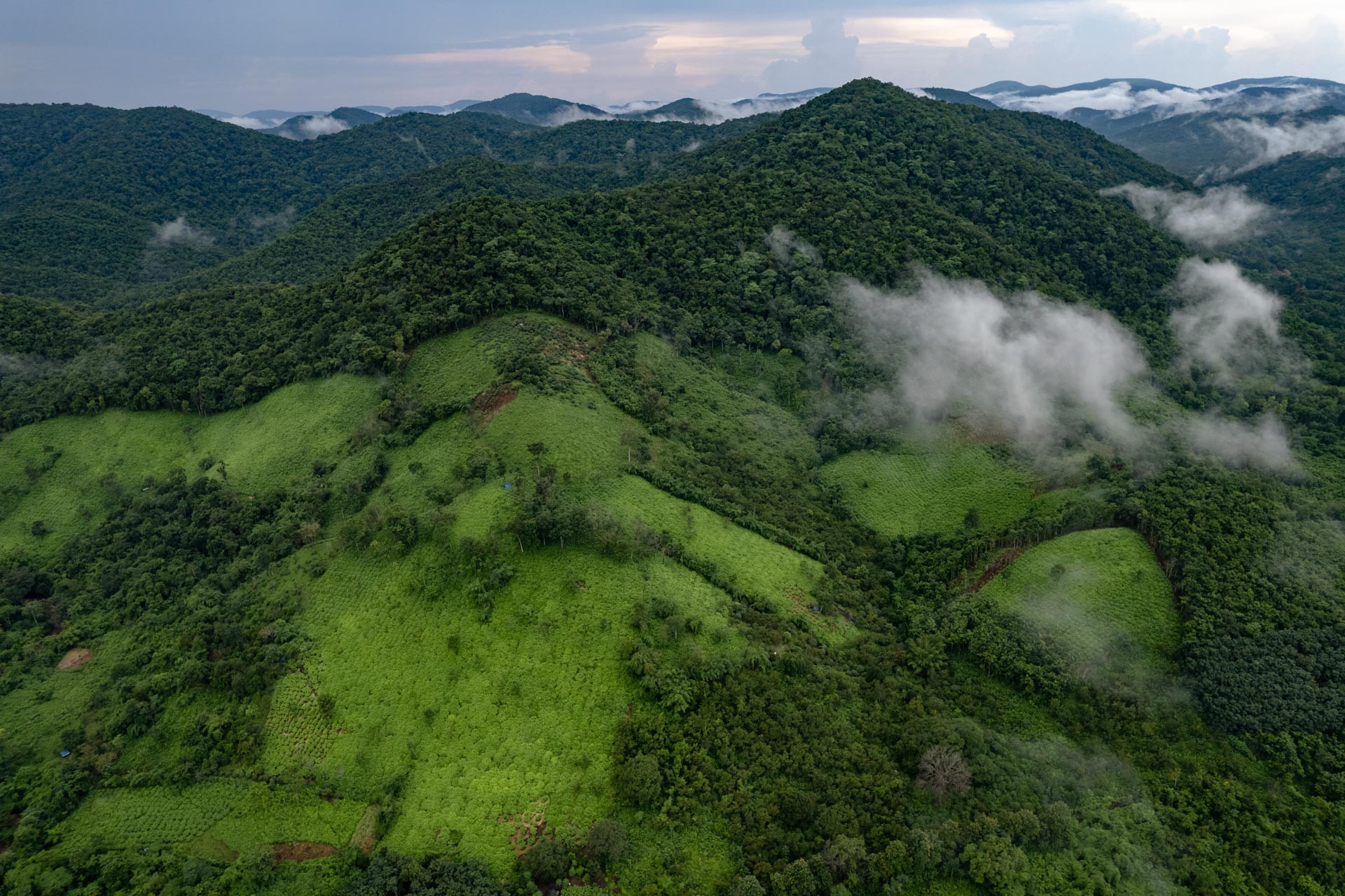
Lush green forests stretch across the Eastern Ghats, but scattered patches reveal areas cleared through Podu or slash-and-burn cultivation. Once the crop cycle ends, these lands are often abandoned, leaving behind eroded soil and depleted nutrients, and causing long-lasting harm to local biodiversity.
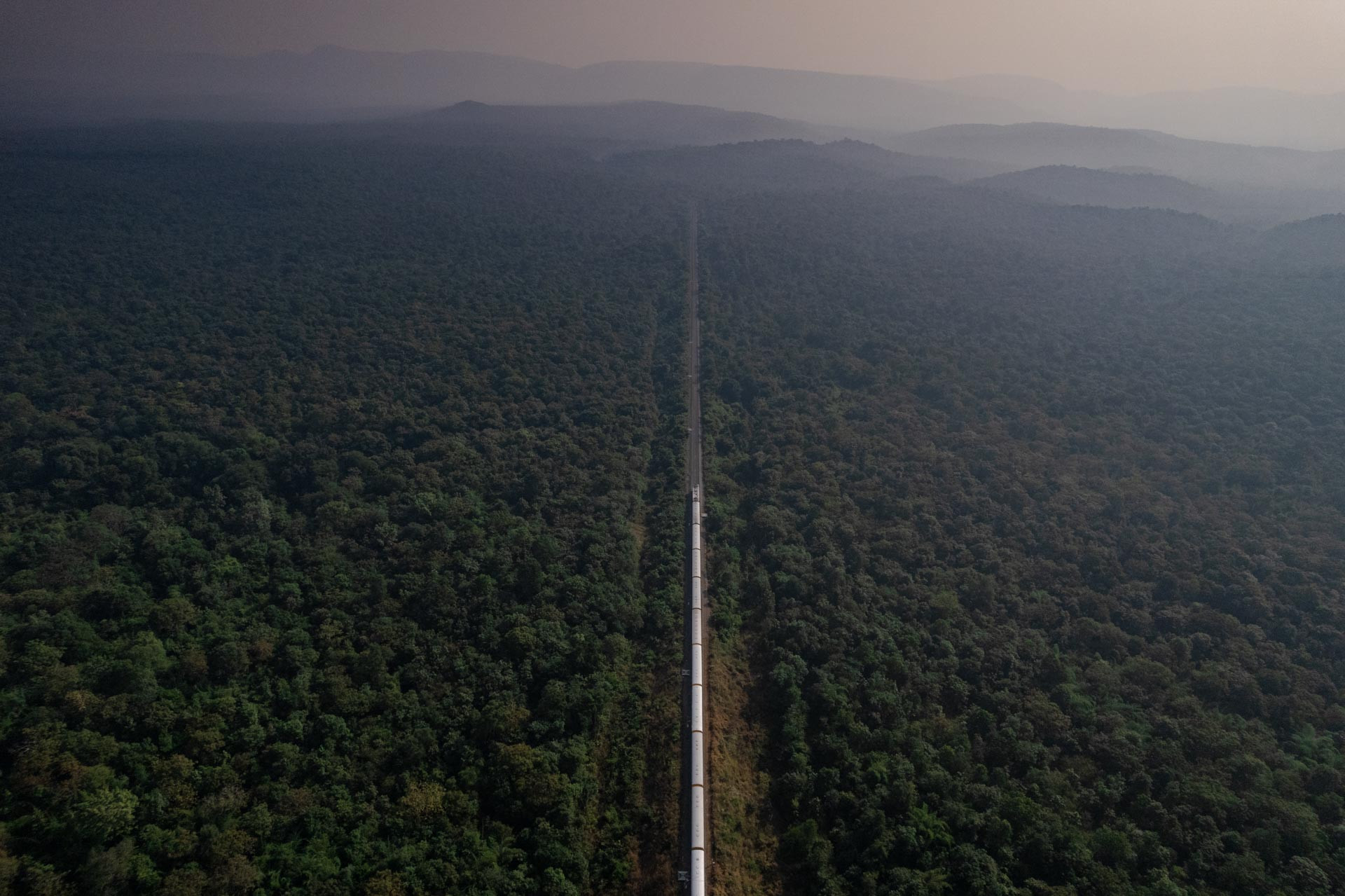
A railway line winds through the forests of the Eastern Ghats, part of India’s largest tiger reserve. The track cuts across important wildlife corridors, leading to frequent collisions and disrupting natural movement. These impacts threaten the survival of species and unsettle the ecological balance of the region.
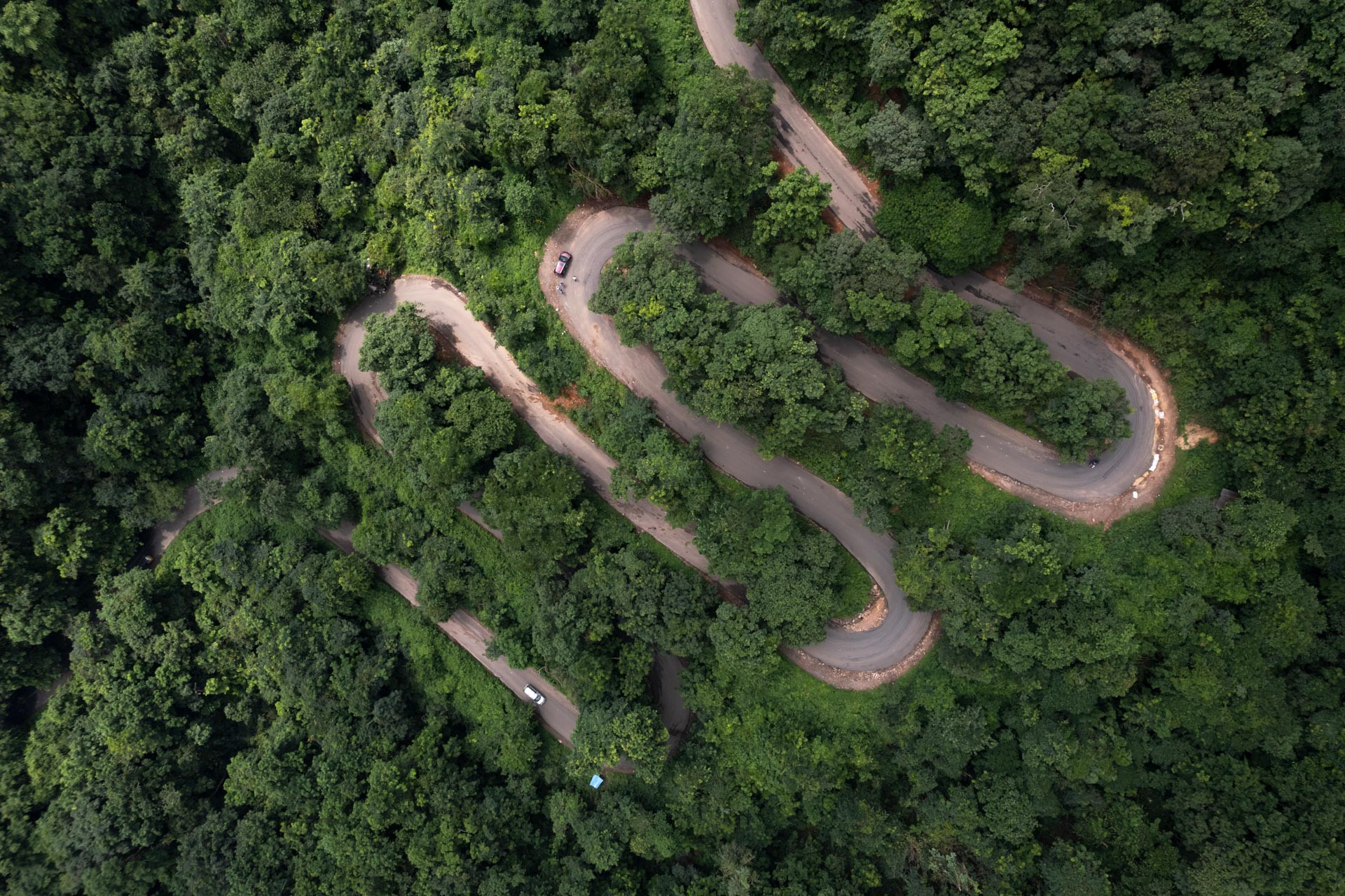
A road cuts across a mountain in the Eastern Ghats, weaving through dense forests that shelter diverse wildlife. These routes support access but come with heavy ecological costs. Wildlife movement is disrupted, road-kill incidents rise and remote areas become more vulnerable to pollution and resource exploitation.
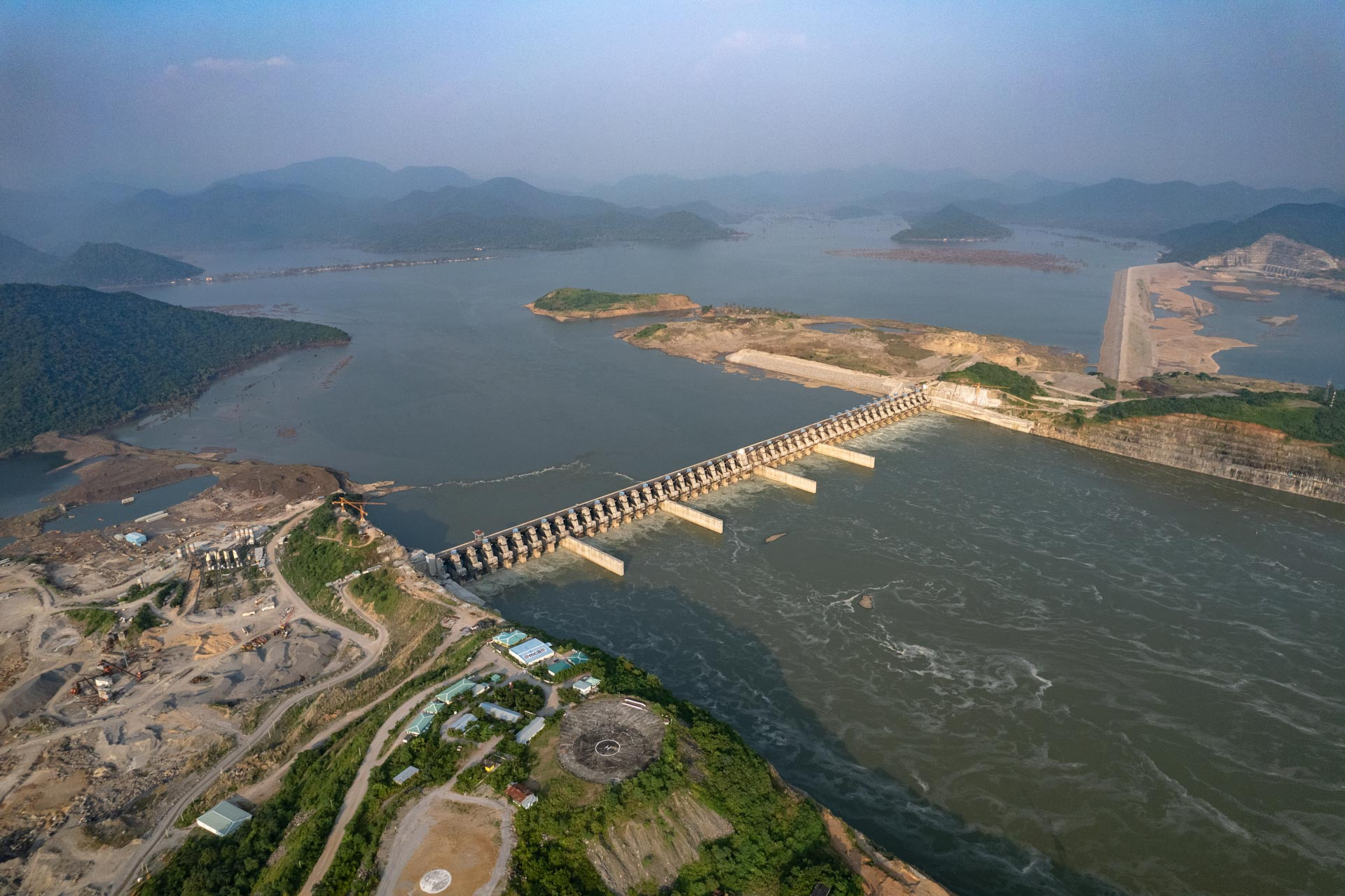
A newly built dam rises among the mountains and river channels of the Eastern Ghats. While it provides irrigation, hydropower and water supply, it also alters the natural flow of freshwater. As less water reaches the coast, mangrove forests near the Bay of Bengal face decline, weakening their vital role in protecting shorelines.
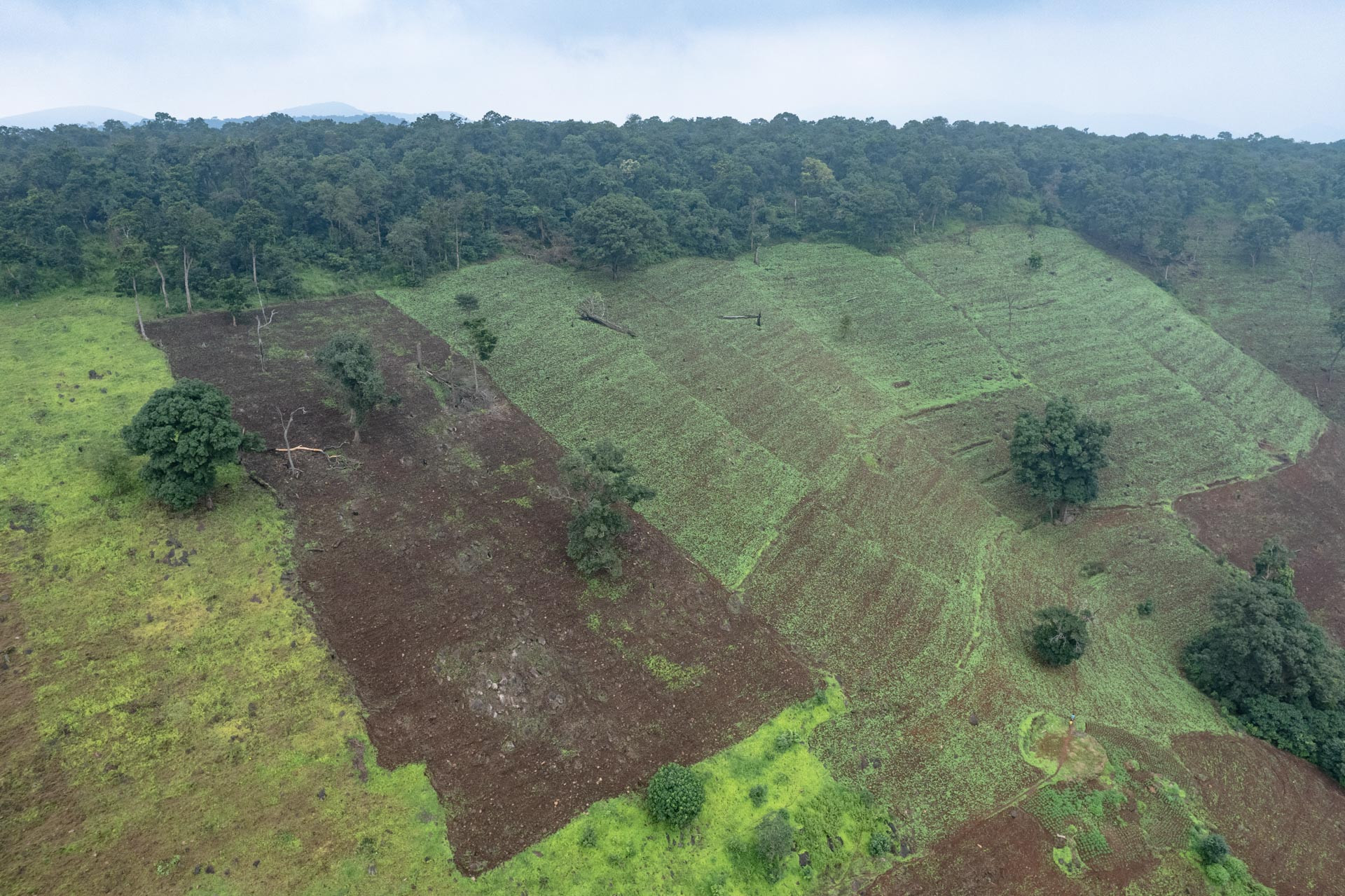
On this slope, land has been cleared for cultivation by local tribal communities. The practice supports livelihoods but brings widespread deforestation, soil nutrient loss and the spread of invasive species. These changes deeply affect the biodiversity that defines the mountain ecosystem.
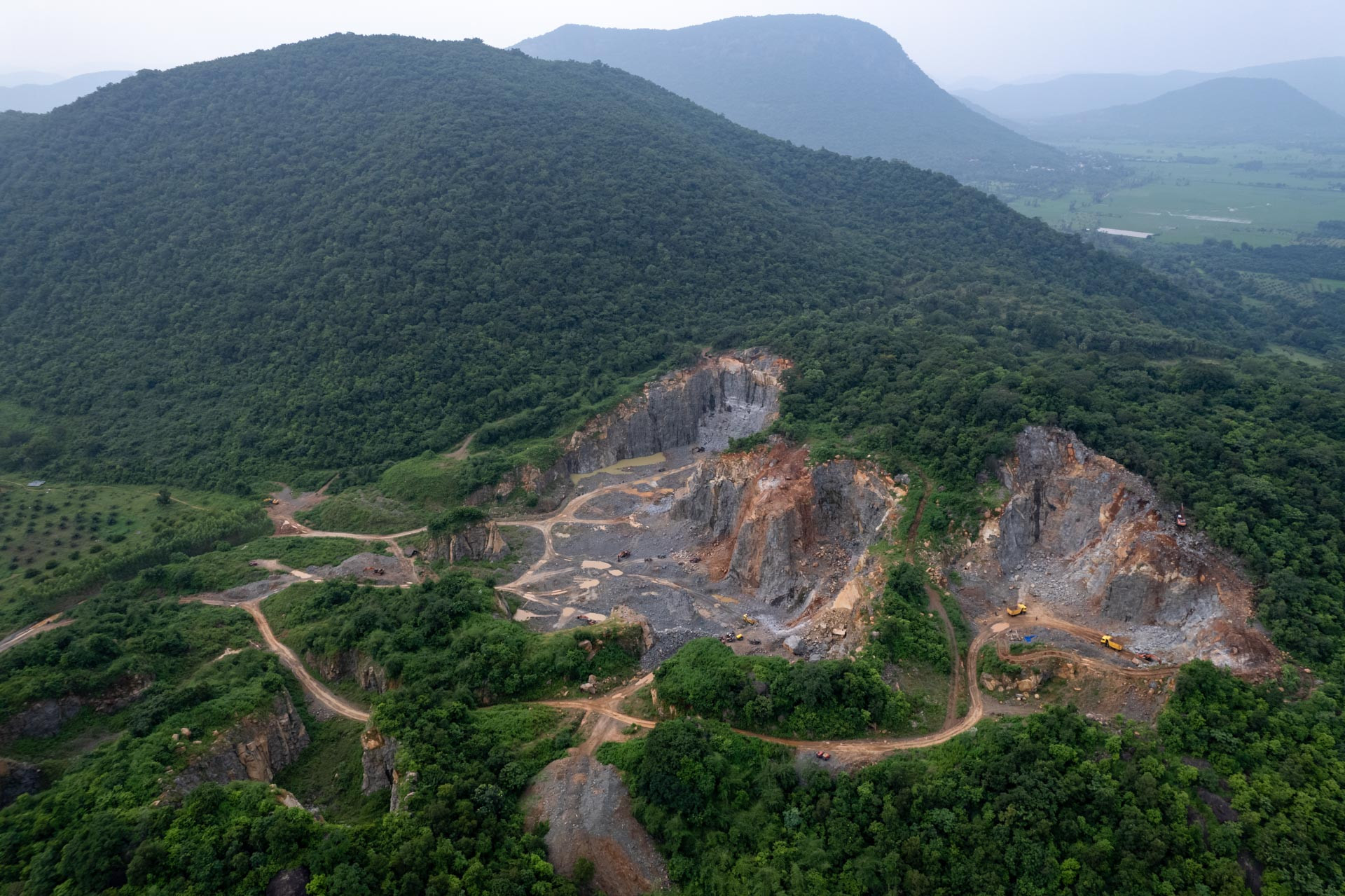 A once intact mountainside now bears the marks of relentless mining. Large sections have been quarried and crushed for construction materials, with stone crushers, trucks and heavy machinery operating deep inside forested areas. Such activity accelerates habitat loss and violates the natural integrity of the ecosystem.
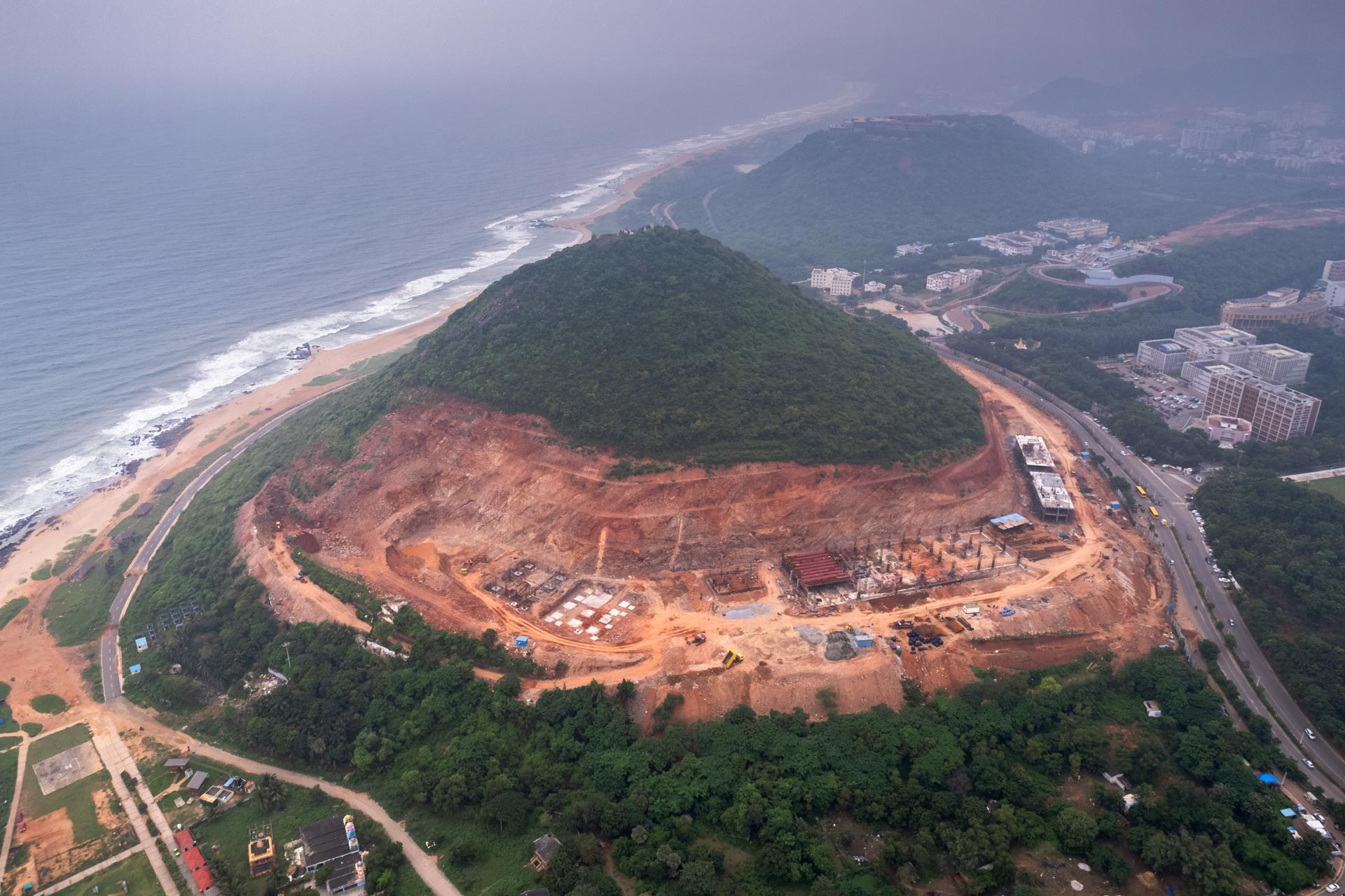
Across a mountainous stretch of the Eastern Ghats, green cover is steadily shrinking. Trees are removed and rock faces carved out to make way for luxury resorts and tourism projects. While these stays attract visitors, the development sacrifices local plant and animal life, creating an unsustainable model of urban expansion.
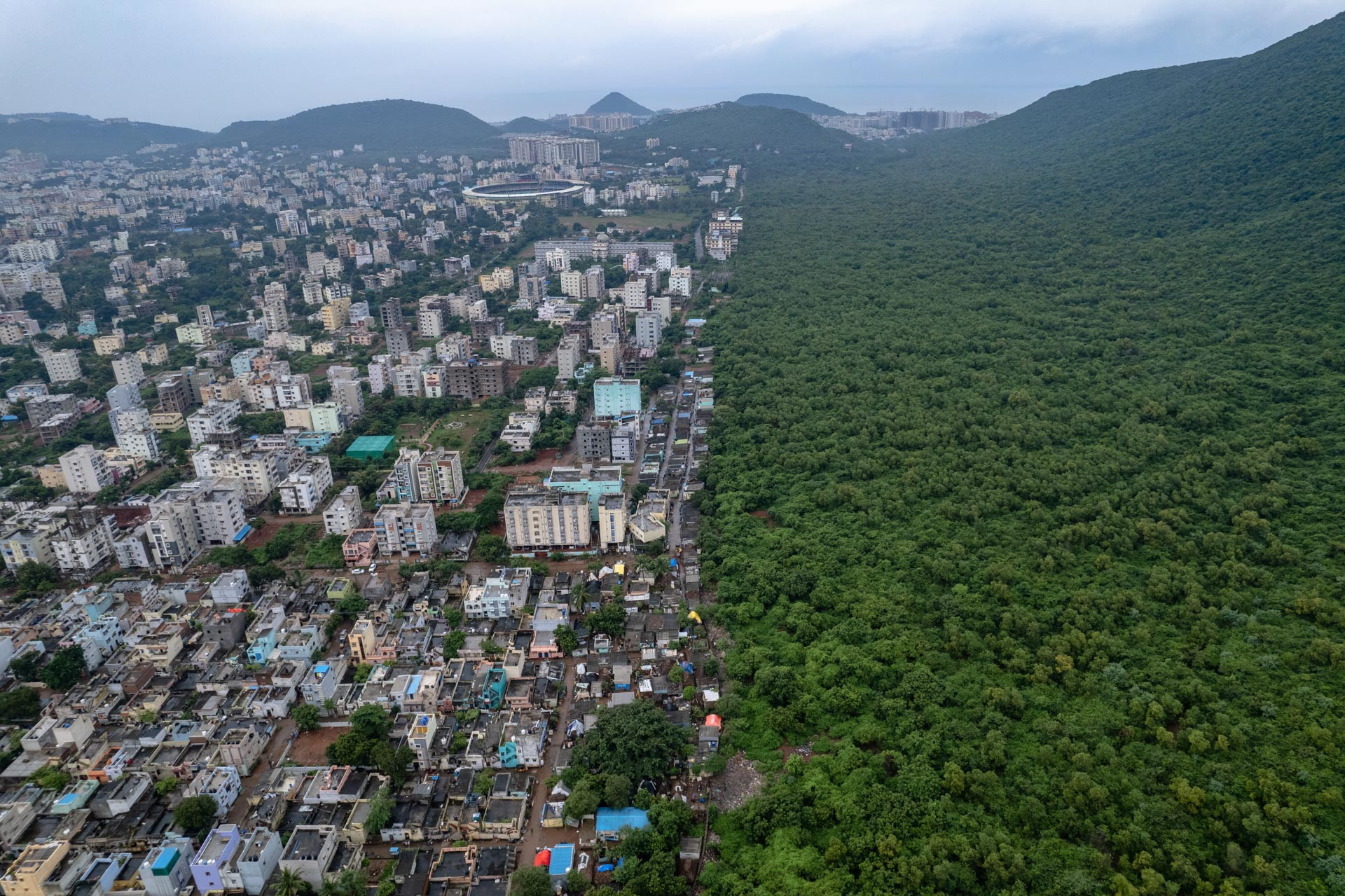
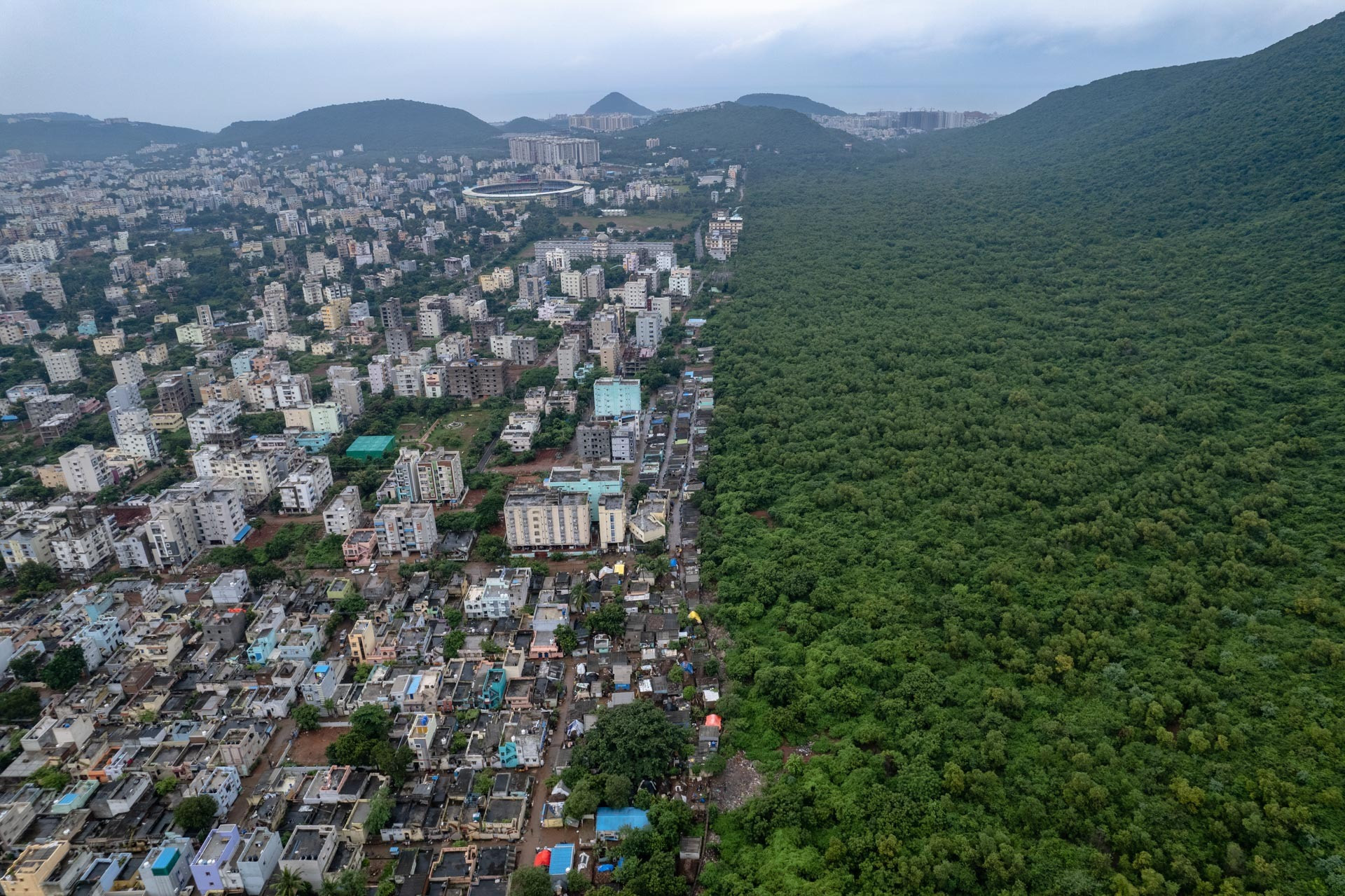
Urban cities continue to expand outward, turning natural mountain landscapes into concrete spreads. Forests disappear as development advances, and with them the rich flora and fauna that once thrived here. This growing encroachment disrupts ecological balance and places the long-term sustainability of these fragile environments at risk.