In 1772, George Bogle, the young Scottish envoy on his way to Tibet, crossed the forests of Buxa through the ancient Buxa Duar. He later wrote that he had never travelled through such difficult terrain. He was equally struck by something else—the sheer size of the trees. Nowhere else in the Indian subcontinent, he remarked, had he seen a forest quite like it.
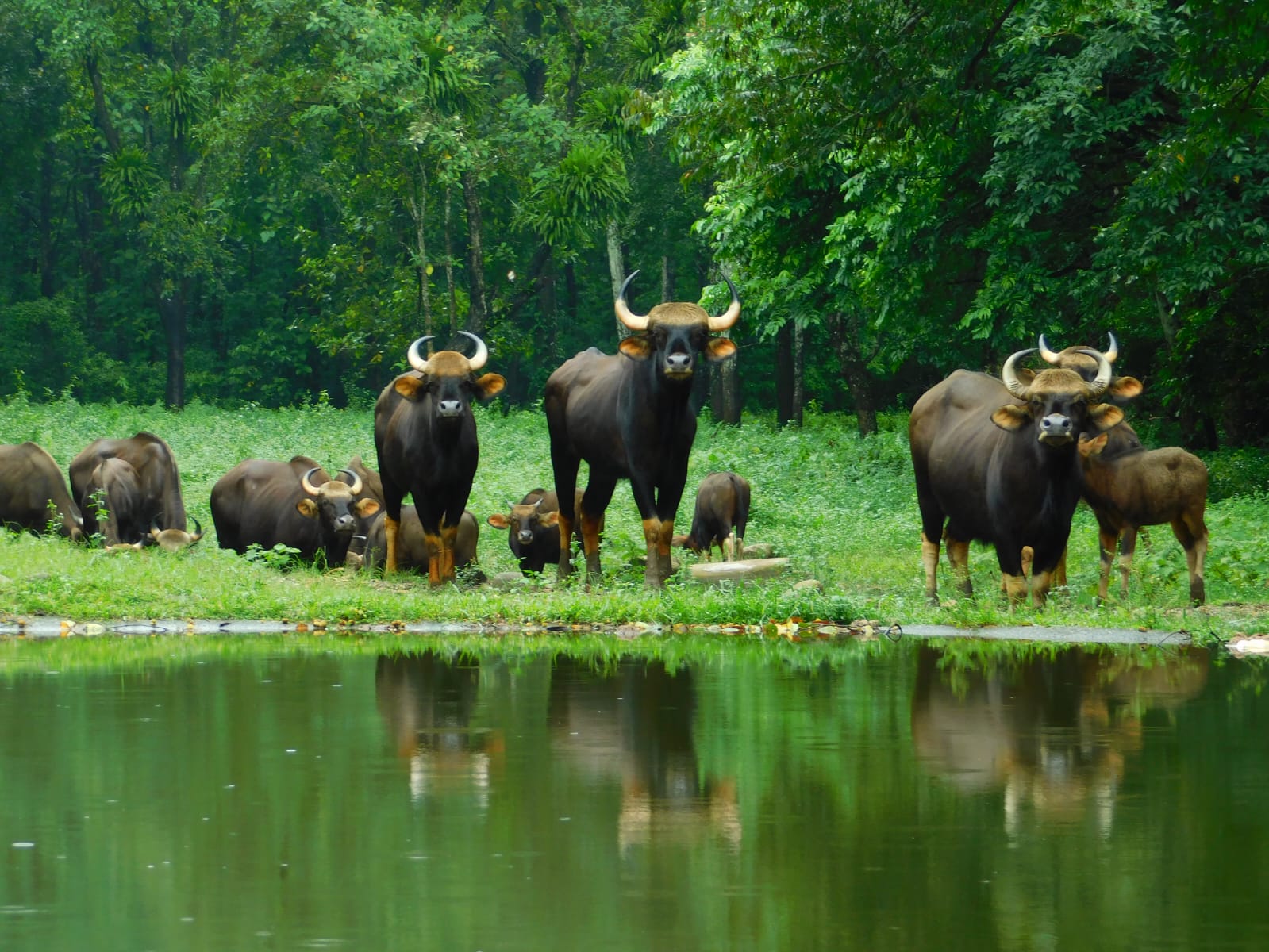
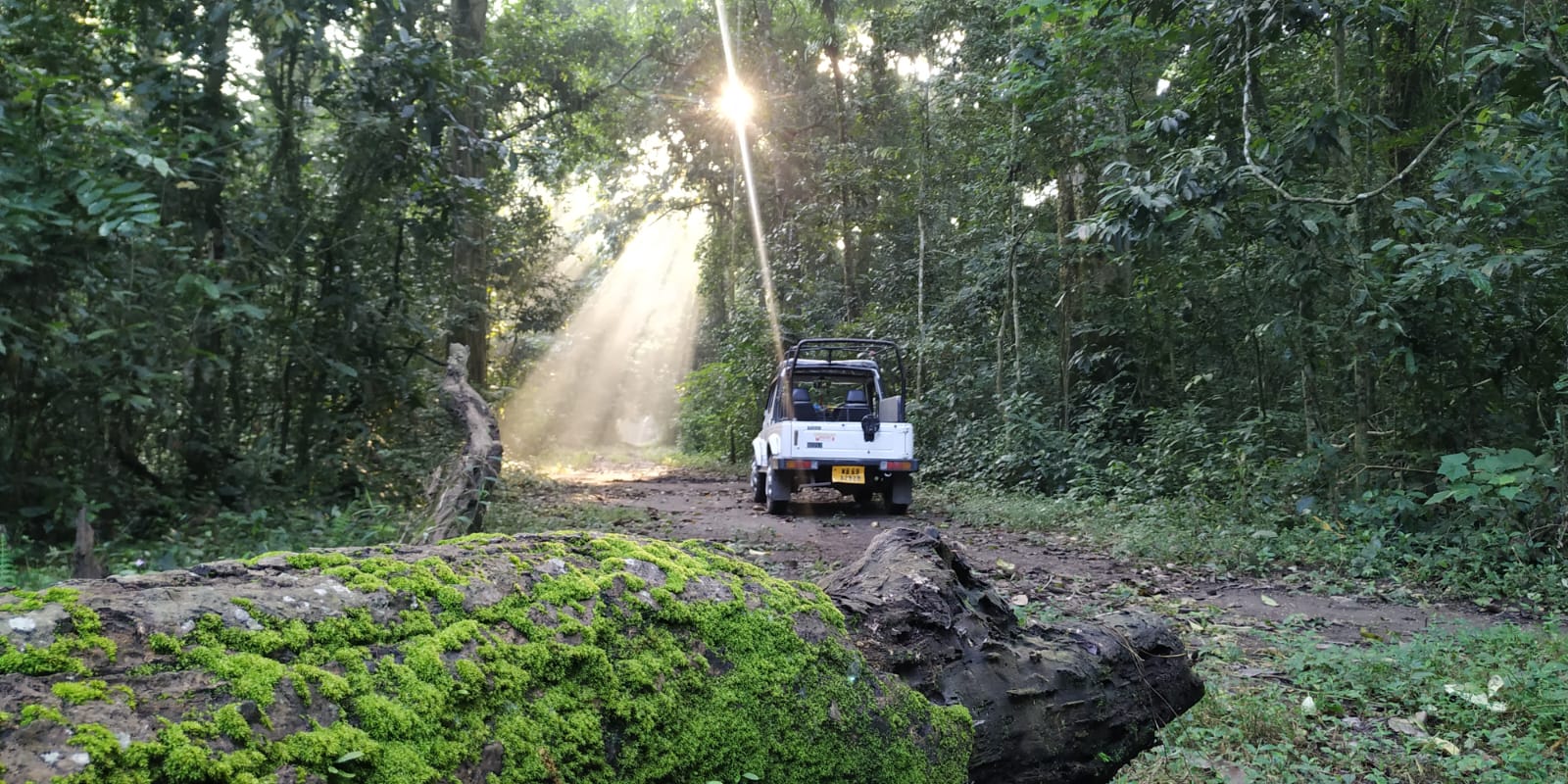
For many visitors, the journey begins at Rajabhatkhawa, the gateway to Buxa Tiger Reserve. Jeep safaris through the Rajabhatkhawa and Jayanti ranges offer an excellent introduction to the forest, with opportunities to encounter Asian elephants, Gaur, Barking deer and, if fortune favours you, then the elusive Dholes and Leopard. Yet Buxa reveals itself most generously once you slow down. Unlike many forests where wildlife is measured by sightings alone, this is a landscape that rewards observation.
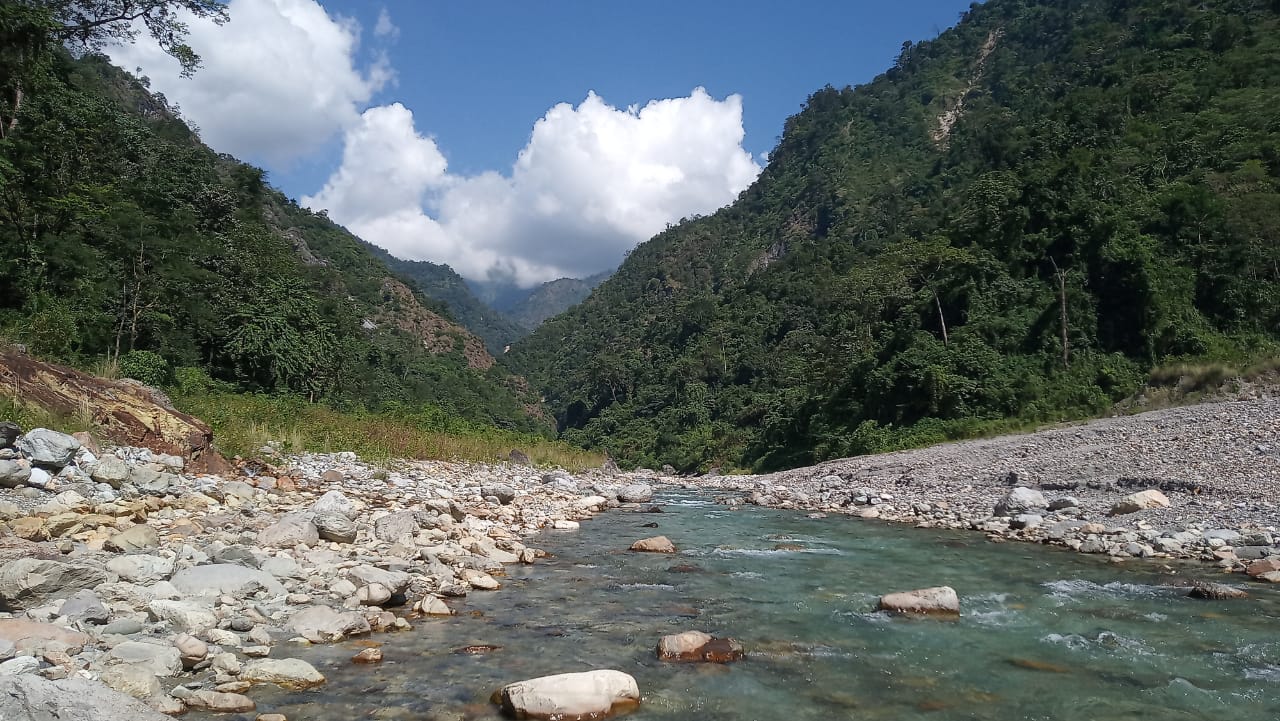
The Jayanti River carves its way through the foothills of the Eastern Himalaya in Buxa Tiger Reserve. (Image: Sitaram Mahato)
The village of Jayanti, resting beside its wide riverbed at the foot of the Bhutan hills, is perhaps the best place to experience this slower rhythm. Spend an early morning beside the river watching wagtails, river lapwings and hornbills moving across the valley. If time permits, continue towards Mahakal, where a short trek leads to limestone caves formed within the ancient Buxa Series, a geological formation over a billion years old. Carved over millennia by water dissolving dolomite-rich rocks, the caves are both a geological marvel and an important pilgrimage site, where nature and faith have coexisted for generations.
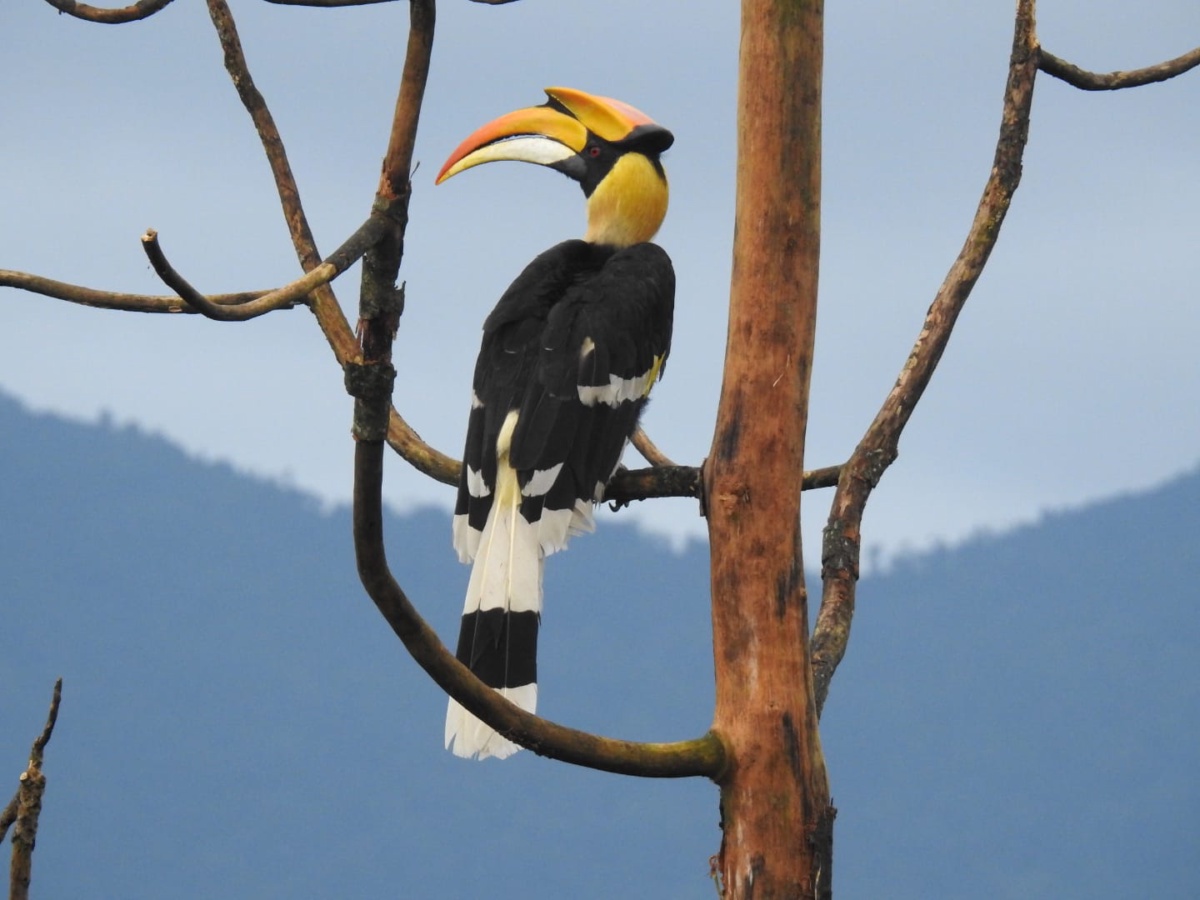
Buxa is not only a landscape of exceptional biodiversity but also one where history is deeply embedded within the forest. Few experiences capture this better than the trek from Santalabari to Buxa Fort. The trail climbs steadily through moist evergreen forest, where orchids cling to old trunks, butterflies gather on damp patches, and the deep wingbeats of a Great Hornbill occasionally echo through the canopy. It is a walk where colonial history and ecology unfold together with every step.
Perched on the ridge, Buxa Fort has lived many lives. It began as a frontier outpost guarding one of the principal gateways between the plains of Bengal and Bhutan. Following the Treaty of Sinchula in 1865, the British transformed it into a strategic cantonment, and during the freedom movement it was converted into a high-security detention camp where several Indian revolutionaries were imprisoned without trial. Standing among its weathered stone walls today, with the forest slowly reclaiming every crack, it is difficult to imagine that this quiet hilltop once witnessed such turbulent chapters of India's history.
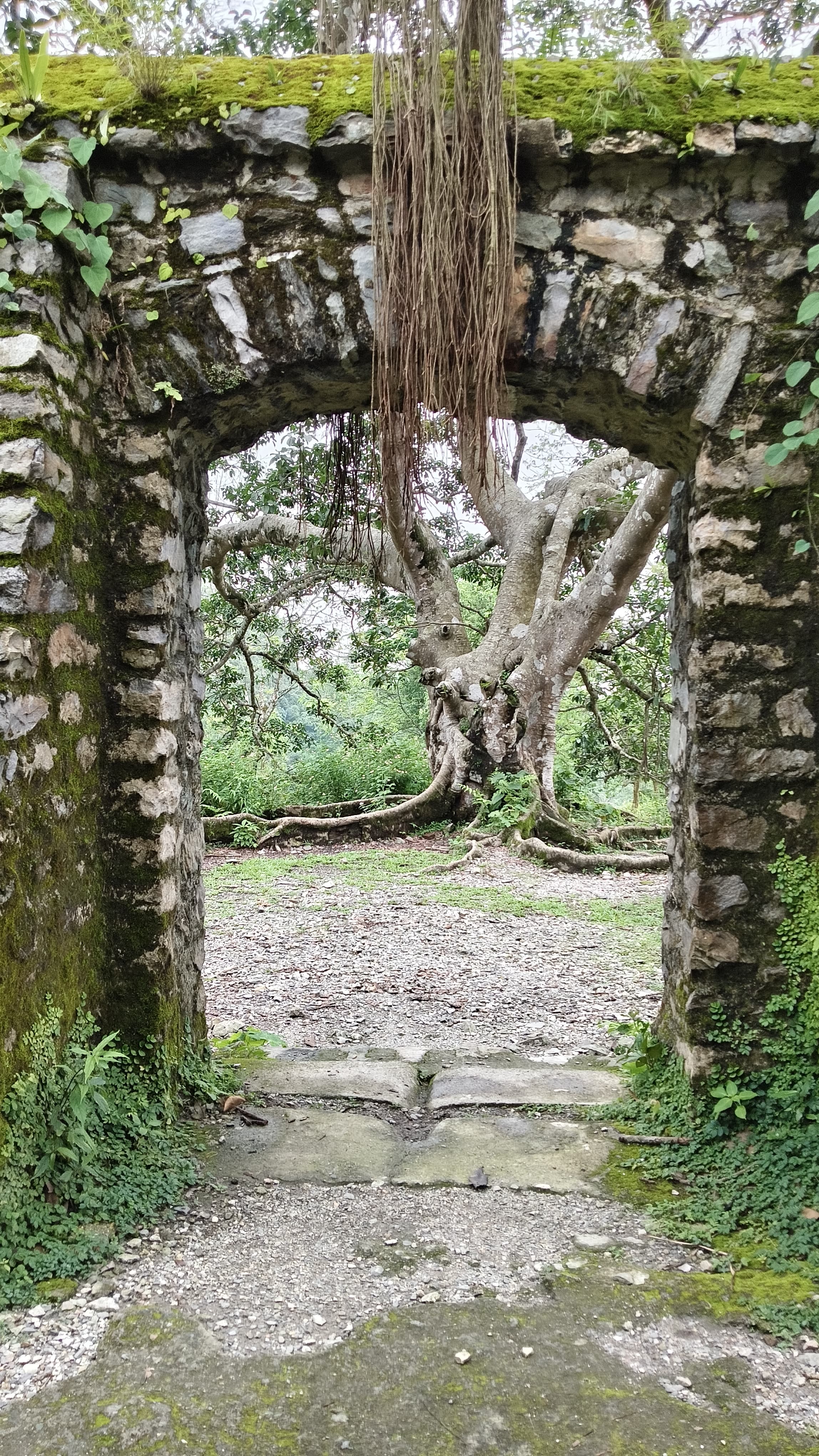
The weathered gateway of Buxa Fort stands as a reminder of its layered past.(Image courtesy: Sitaram Mahato)
For birdwatchers, the experience need not end at the fort. Continue further towards Tashigaon and Rovers Point, where the forests gradually merge with the Himalayan foothills. This is among the most rewarding birding routes in the eastern Himalaya. Depending on the season, mixed hunting flocks drift silently through the canopy, while Great Hornbill, Wreathed Hornbill and Rufous-necked Hornbill commute between fruiting trees. The haunting whistles of trogons echo from shaded ravines, laughingthrushes rummage through leaf litter, and colourful mixed flocks of Yuhina and Minla, parrotbills and shy green cochoa bring the forest alive. Every bend in the trail offers the possibility of something unexpected, which is perhaps Buxa's greatest gift to birders.
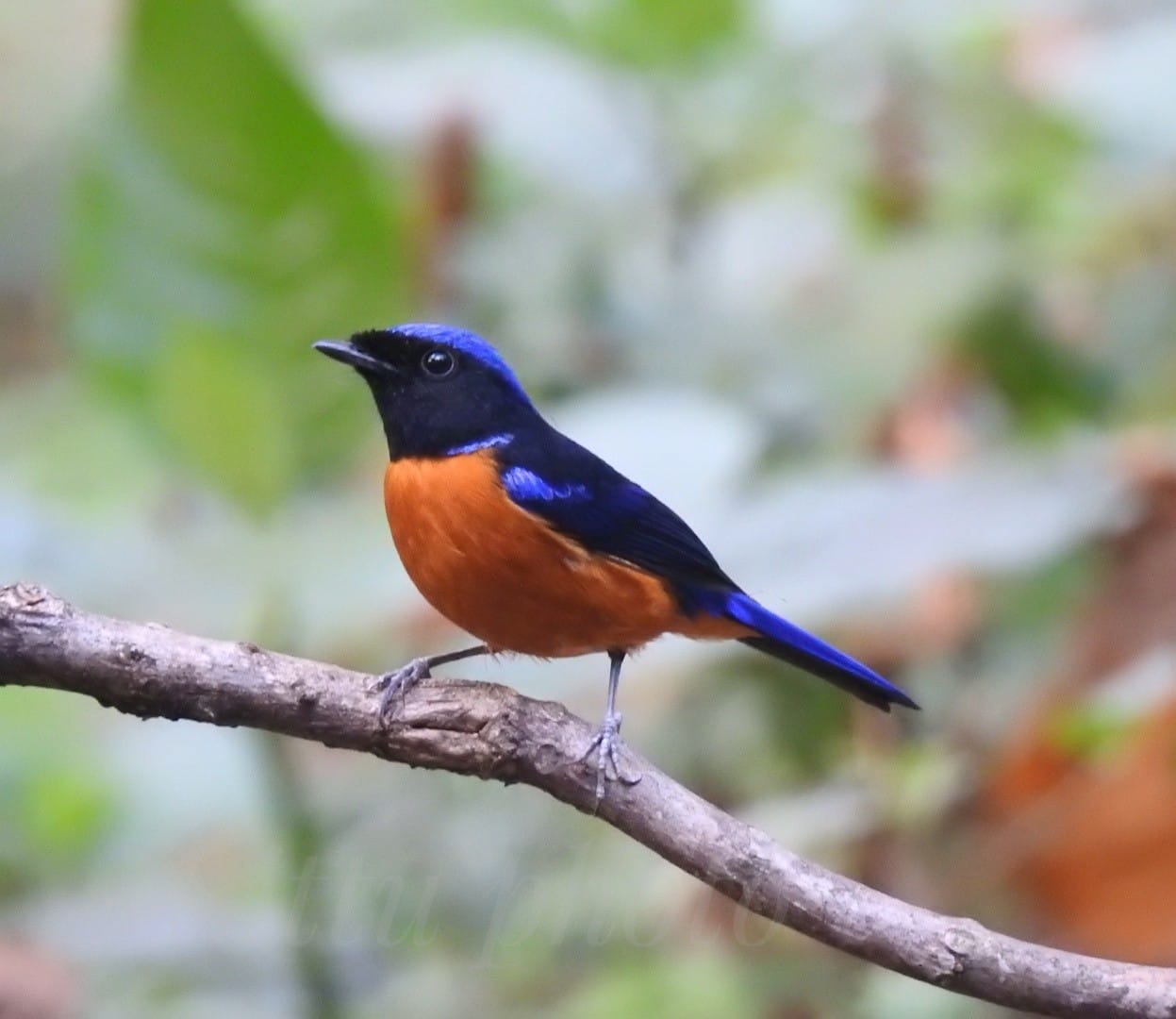
A Rufous-bellied Niltava perches quietly in the shaded forests (Image courtesy: Tamaghna Sengupta)
Yet the forest's appeal extends far beyond birds. Fresh elephant tracks pressed into river sand, a giant wood spider suspended across the trail, the brilliant emergence of butterflies after a summer shower, or a century-old fig tree feeding dozens of species at once—all reveal the quiet ecological processes that sustain this landscape. Buxa lies at the meeting point of the Gangetic plains, the eastern Himalaya and the Brahmaputra valley, making it one of the most biologically diverse landscapes in the region and an important corridor linking the forests of Bhutan with those of Assam.
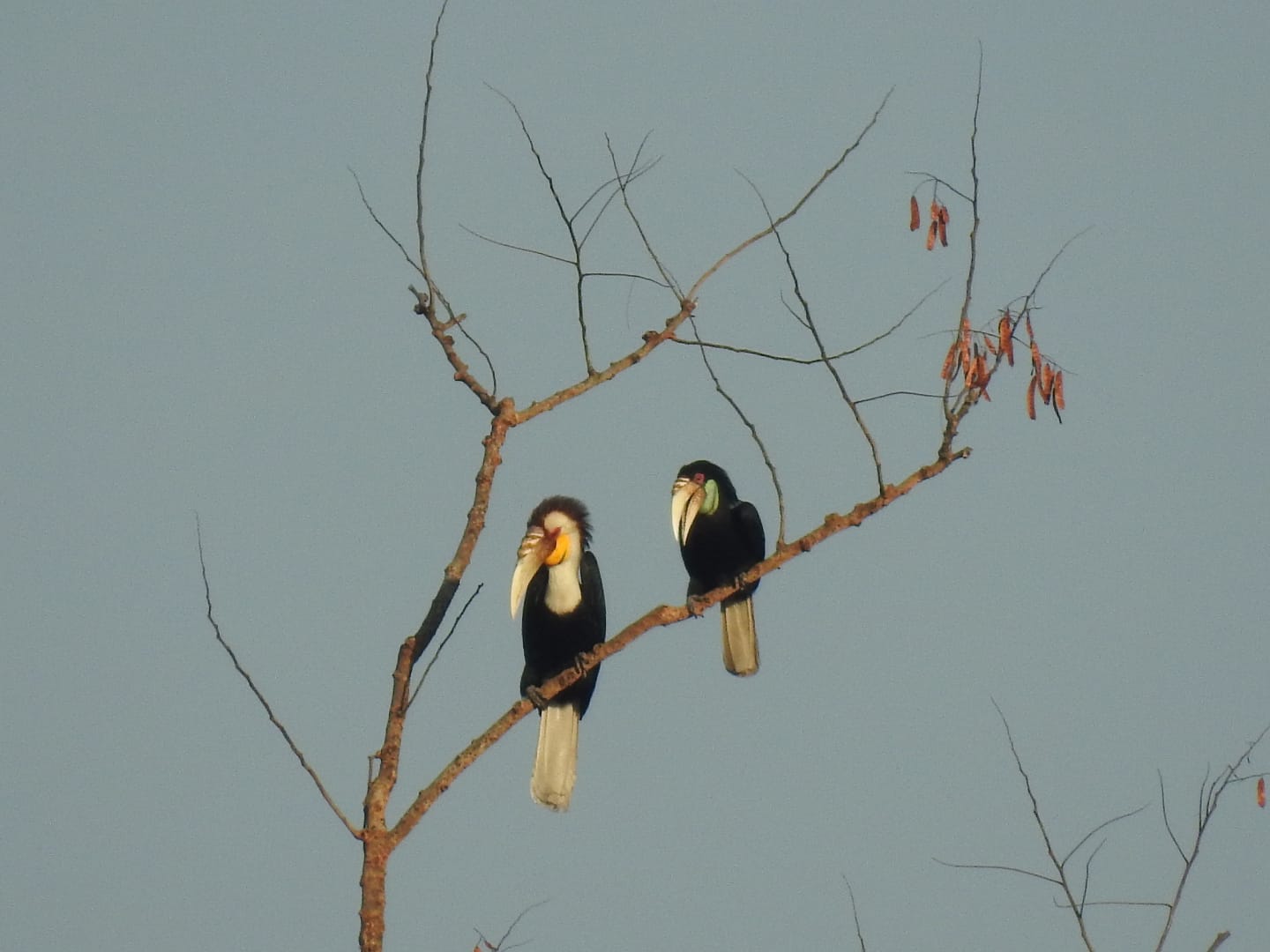
A pair of Wreathed Hornbills perched high in the forest canopy of Buxa Tiger Reserve. (Image courtesy: Tamaghna Sengupta)
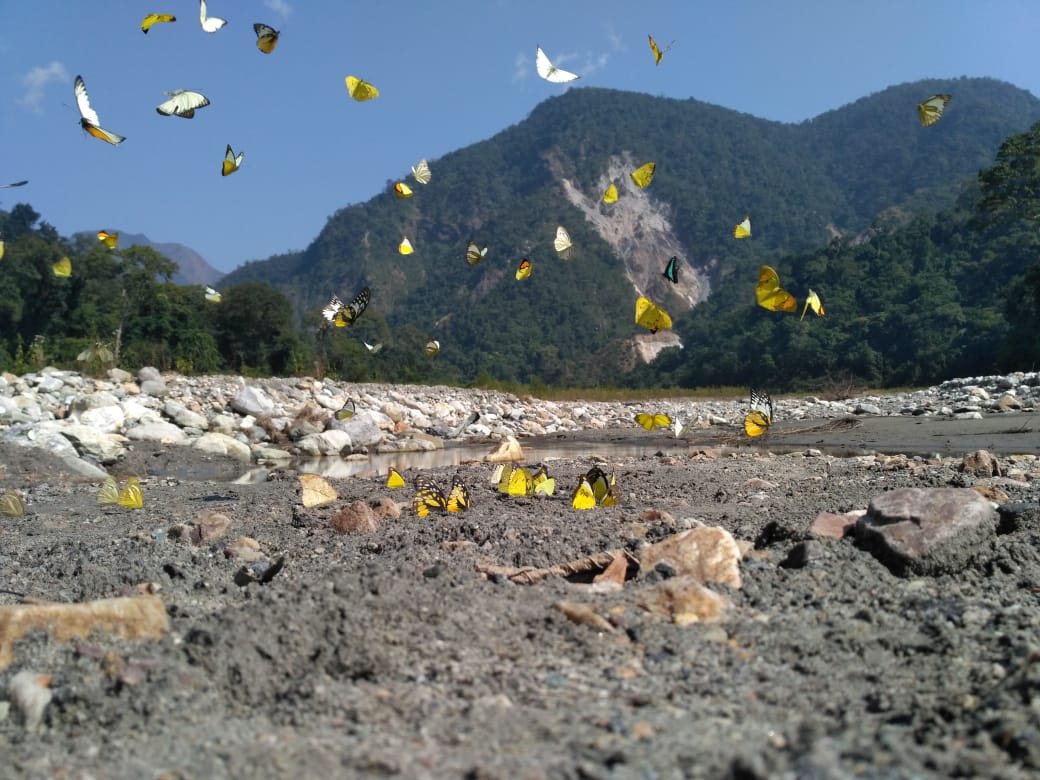
Pre-monsoon butterfly mud-puddling on the Jayanti riverbed, one of the season's most spectacular natural phenomena in Buxa Tiger Reserve. (Image courtesy: Tamaghna Sengupta)
Timing your visit can transform your experience. Winter offers pleasant weather, clear views and excellent birding. Spring brings flowering trees and heightened bird activity, while the pre-monsoon months are ideal for butterflies and dragonflies. The monsoon, though less accessible, unveils Buxa at its wildest, when rivers swell, forests glow with fresh foliage, and fungi emerge from every fallen log.
Buxa is not a place to rush through. It asks visitors to linger—to pause beside a river, to listen before looking, and to appreciate the stories carried by landscapes as much as those carried by wildlife. The tiger will always remain an important part of its future, but Buxa's identity has never rested on a single species.
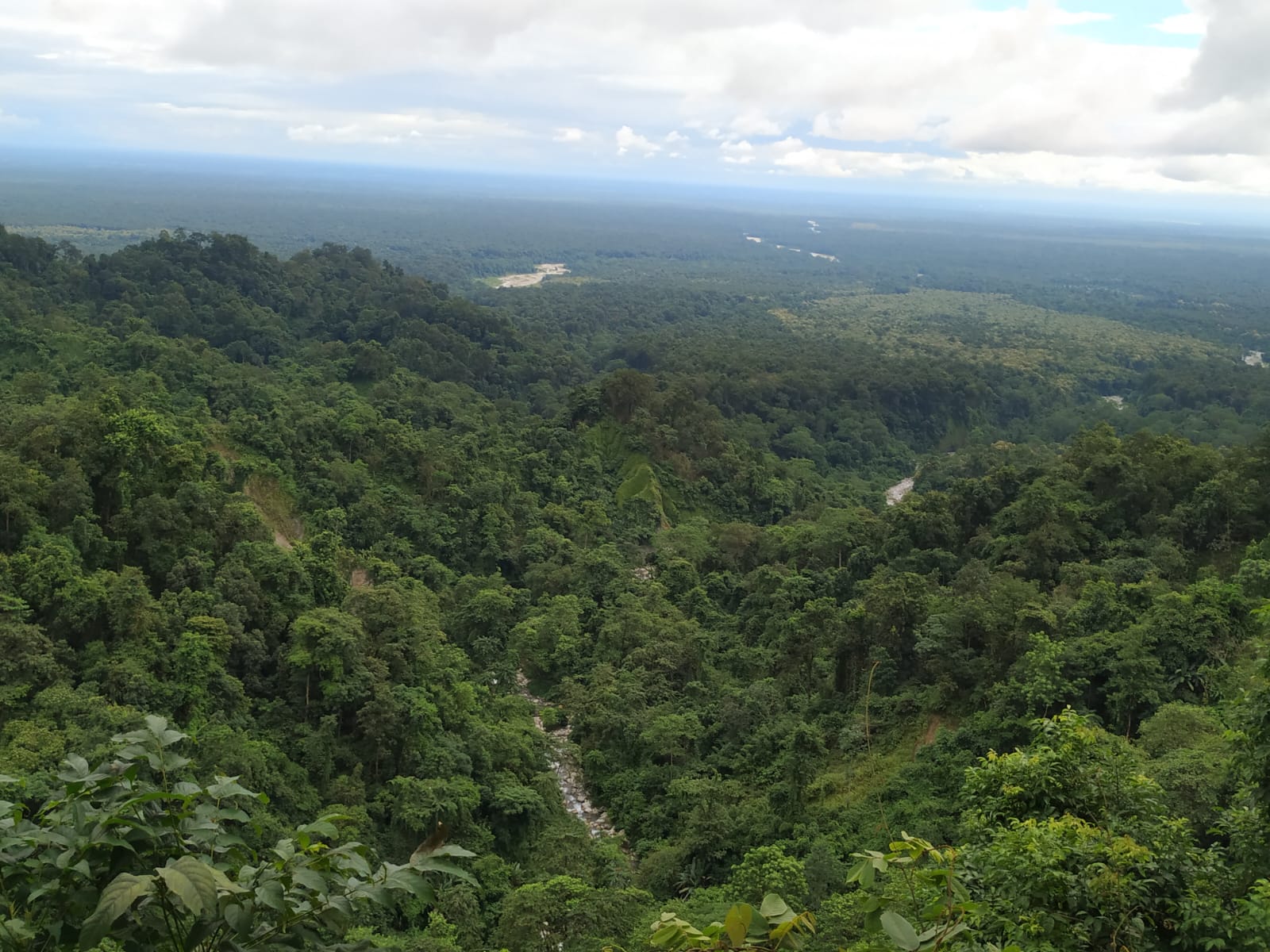
The sweeping expanse of Buxa Tiger Reserve, viewed from the ridge, has captivated travellers for centuries (Image courtesy: Arkajyoti Shome)
Perhaps that is why George Bogle's observations from the eighteenth century still resonate today. Long before conservation maps and safari routes, travellers remembered Buxa for the feeling it evoked: a vast, mysterious forest unlike any they had encountered before. That feeling endures. Come for the wildlife if you wish, but leave having discovered a landscape where rivers shape forests, hornbills plant tomorrow's trees, forgotten trails lead to remarkable history, and every journey reveals that Buxa is far more than a destination—it is a living story.