After my first night herping experience at Kubah National Park, I found myself looking forward to exploring another forest after dark. A few months later, I had the opportunity to do just that at Mulu National Park.
Mulu is a place for those who love nature. There is something for everyone, from caves and forests to wildlife and challenging hikes. For hikers, the famous Pinnacles trek requires several days, with around four to five days needed to properly complete the experience. I was told that the hike can be even more challenging than Mount Kinabalu, so it is definitely something that requires preparation.
Getting to Mulu
For this trip, I flew from Kuching to Mulu with MASwings (now AirBorneo). Mulu can also be reached from Kuala Lumpur by flying to Miri and then taking a connecting flight to Mulu.
Unlike my Kubah trip, this was not a dedicated herping expedition. I was travelling with colleagues on a work trip, and night herping was simply one of the leisure activities we got to do.
That made the experience quite different.
I had come hoping to spot some of Mulu’s endemic amphibians after the excitement of my first herping adventure. It had also rained that afternoon, and earlier in the day we had been on a wet river boat ride after a caving experience. Everything seemed to be setting the stage for another productive night.
But nature had other plans.
A familiar call
Around 5-6 pm, near the Bat Caves, I heard something very familiar, yet frustratingly out of reach.
A Bornean horned frog was calling somewhere ahead of me.
Its call was a peculiar, loud honk. One call, then silence. After some time, another call. The sound seemed to be coming from somewhere directly in front of me, but I couldn't see a thing.
At Kubah, I searched for the Bornean horned frog but saw or heard none. Now, at Mulu, I could finally hear it clearly, but I still couldn't find it.
We were on the boardwalk, and visitors were not allowed to leave it to search through the forest. And horned frogs are masters of disguise. Even if I had been allowed to search, finding one would have been another challenge altogether.
So I had to settle for hearing one without ever getting a photograph.
When the frogs were scarce
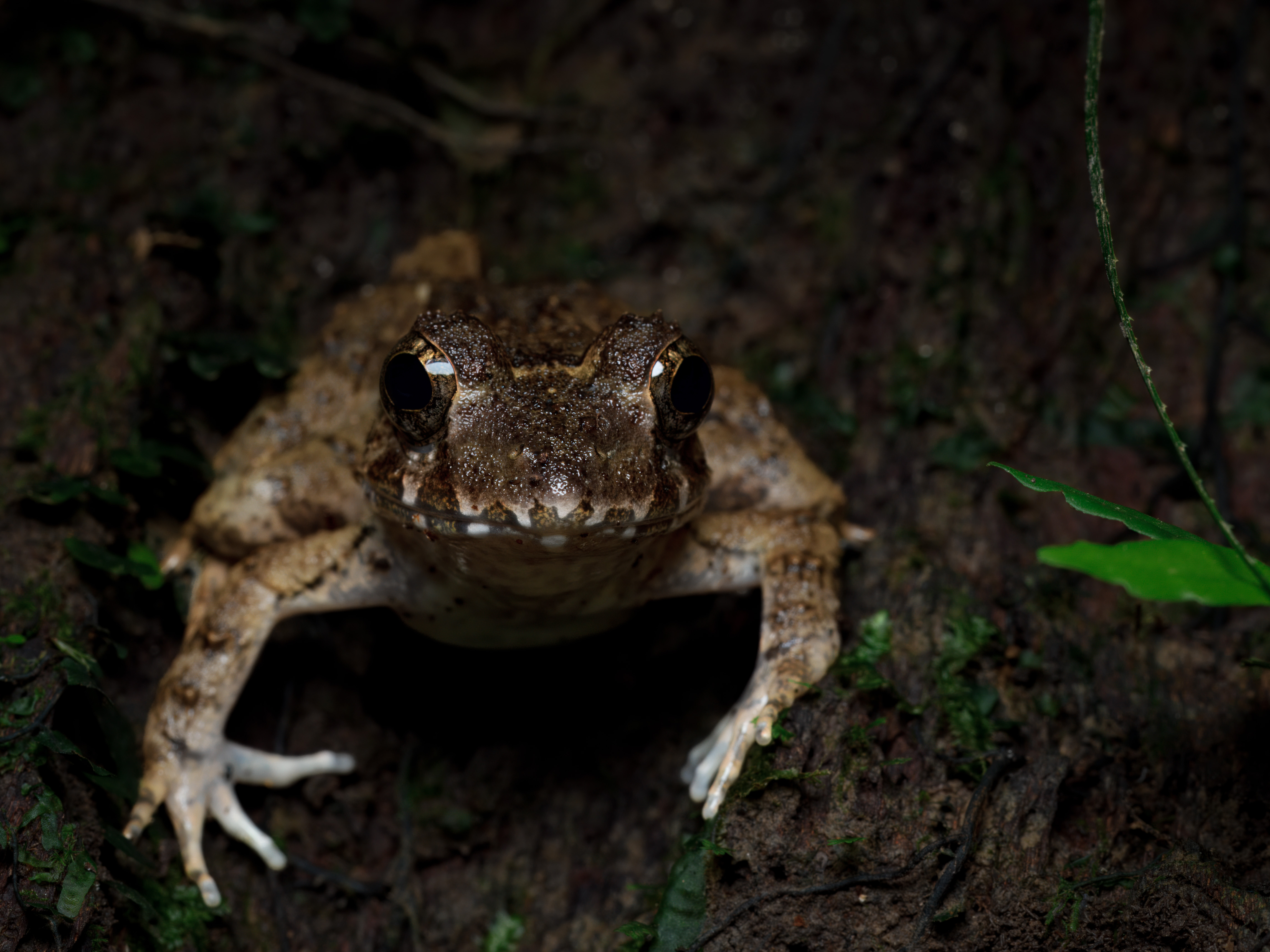
As the night progressed, frogs were surprisingly scarce. The rough-sided frog (picture below) was the one species we encountered repeatedly, and it seemed to be one of the more commonly encountered frogs around Mulu.
After the success of my first herping trip at Kubah, I had expected to see many more frogs.
Instead, something else caught my attention.
Spiders!
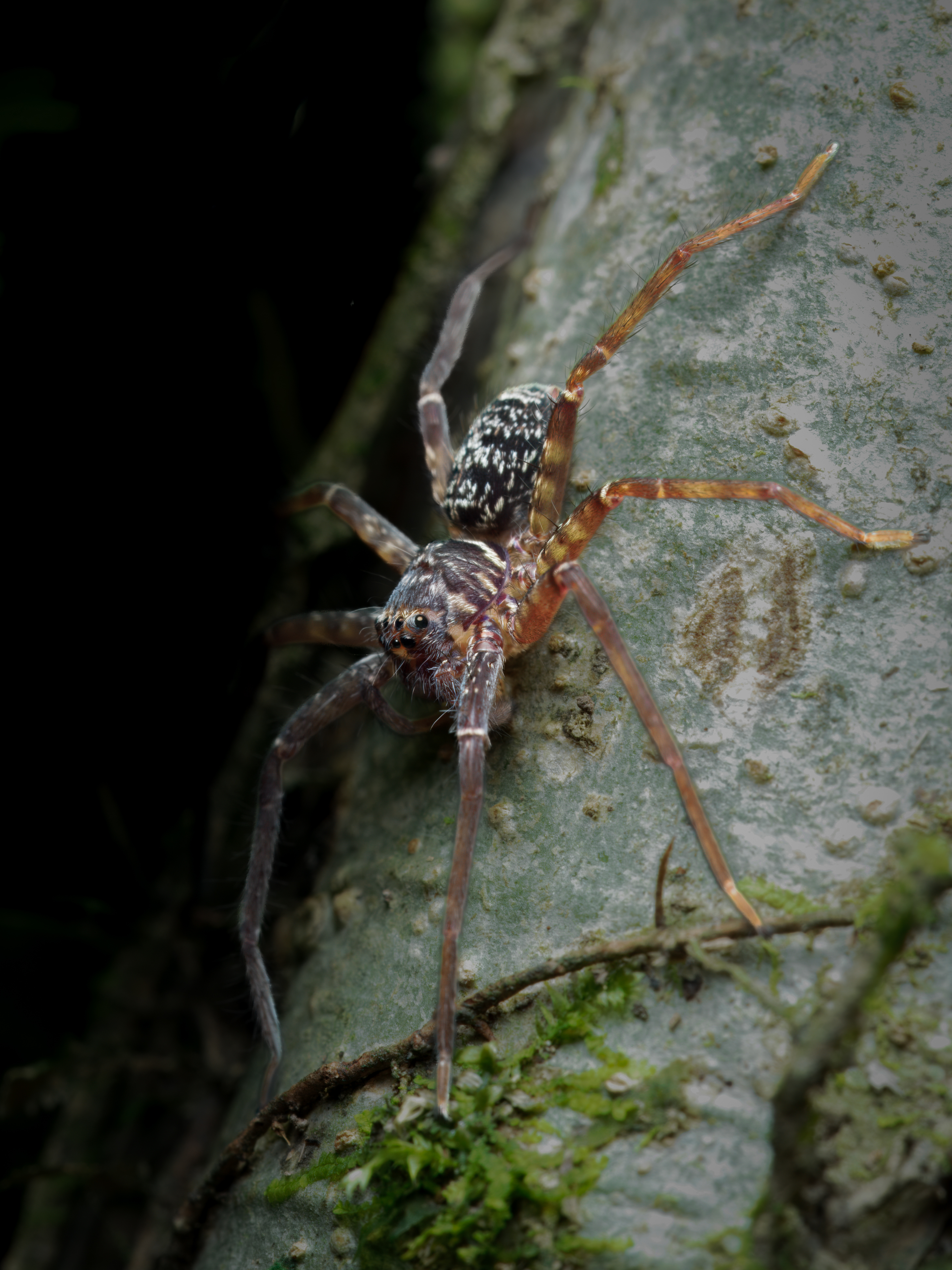
(picture: Huntsman spider)
A new world of arachnids
I am completely new to arachnids, just as I was new to amphibians when I first started night herping.
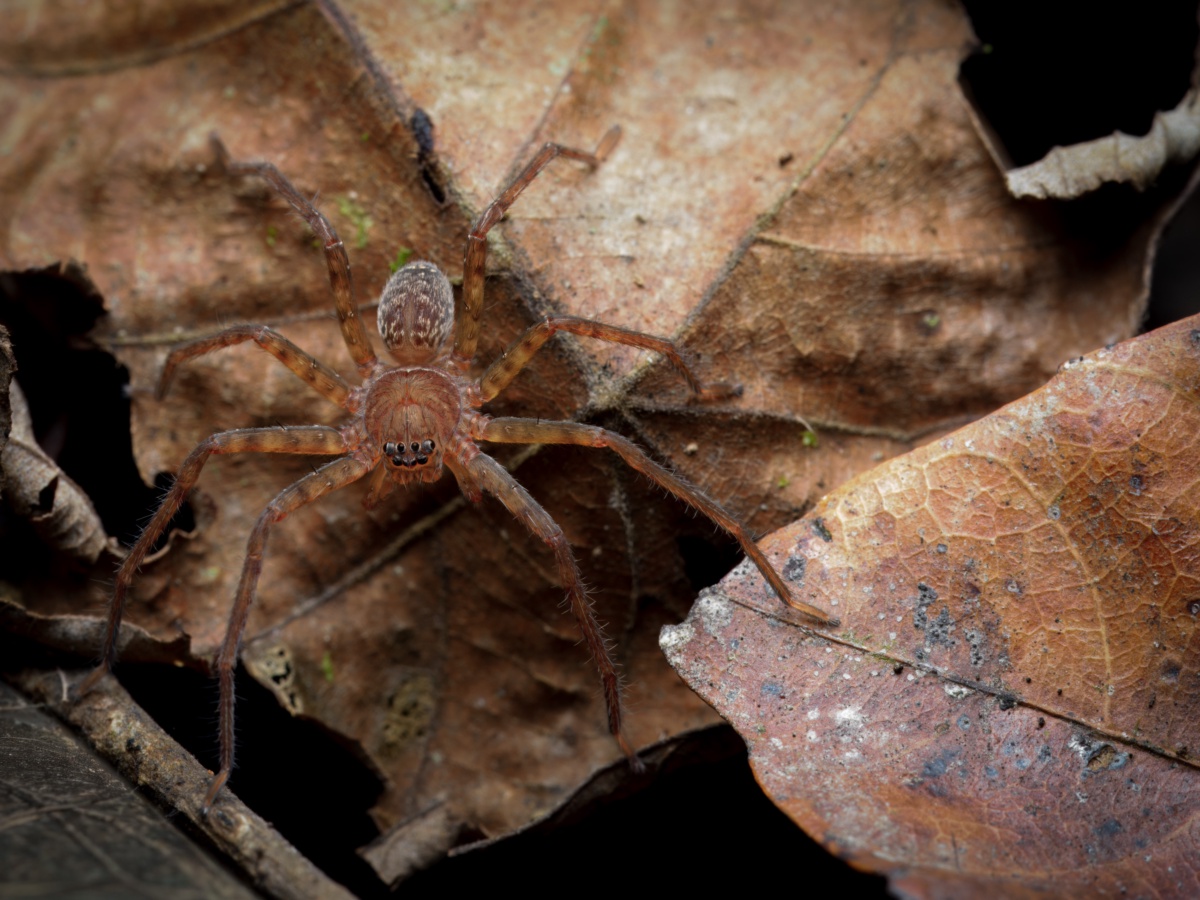
We caught quick glimpses of several huntsman spiders (cover photo) and arboreal wandering spiders (picture below). Unlike photographing frogs, which usually gave me a little more time to observe and compose, photographing spiders felt like a completely different challenge.
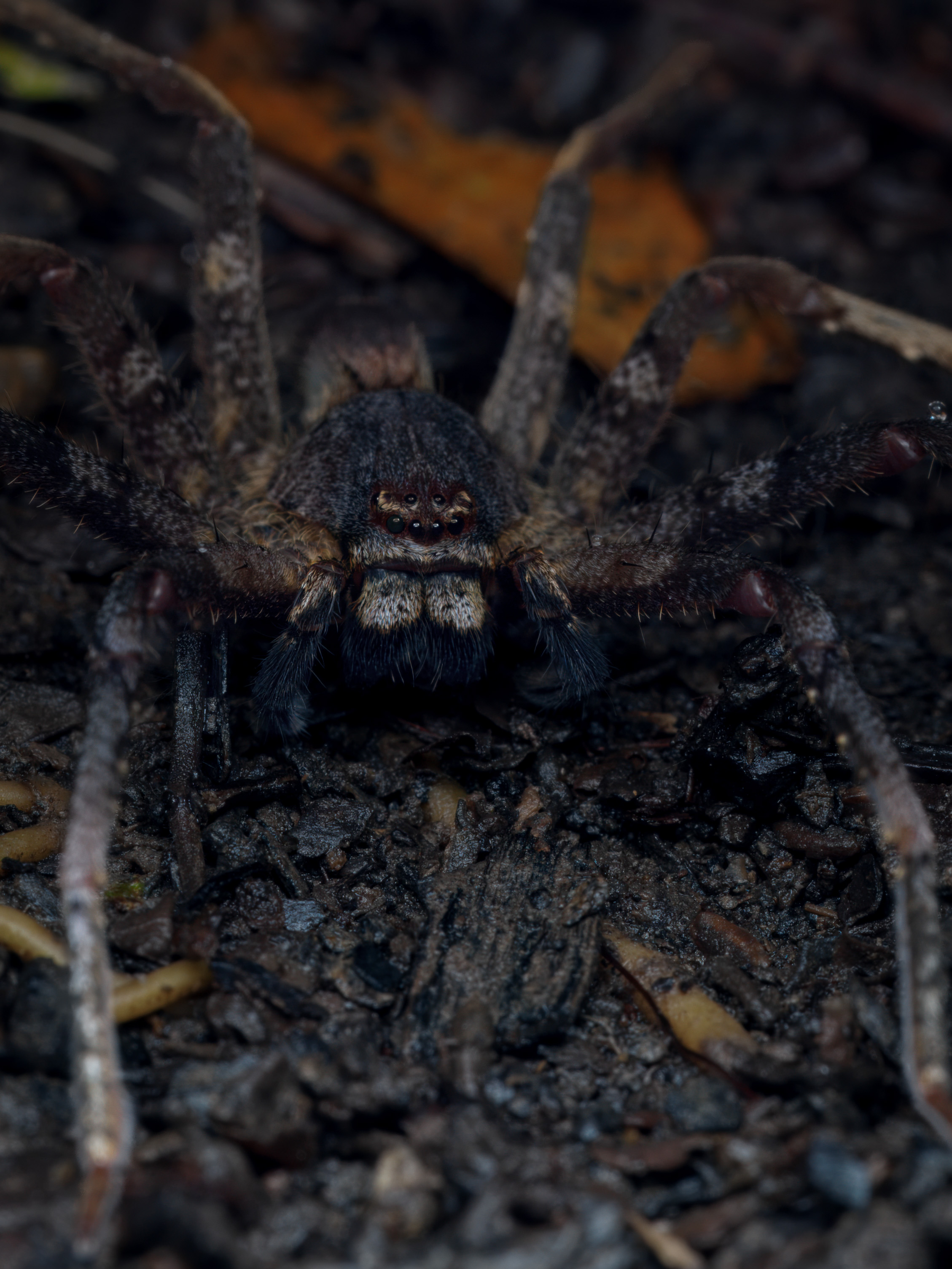
Macro photography requires getting very close to your subject.
I love photographing wildlife, but I am also scared of them, especially when they have eight legs and can move unexpectedly.
For moral support, I had one of my colleagues standing nearby while I tried different angles. I was constantly hoping the spider would stay where it was and, more importantly, not decide to crawl towards me.
There were a few moments when I got startled and even slipped when the subject suddenly moved.
Although it freaked me out, it was also quite hilarious as we ended up cracking up laughing.
The one that got away
One of the highlights I missed was a blue tarantula.
It appeared briefly, but the moment it noticed movement, it disappeared back into its hole.
I didn't get to photograph it.
Wildlife photography is full of moments like this. Some subjects give you enough time to capture them; others leave you with nothing more than the memory of having seen them.
Beauty in unexpected places
Although the frogs were scarce, the night was far from disappointing.
I came across fascinating moments of camouflage, an egg pouch and even cannibalism among the creatures we encountered.
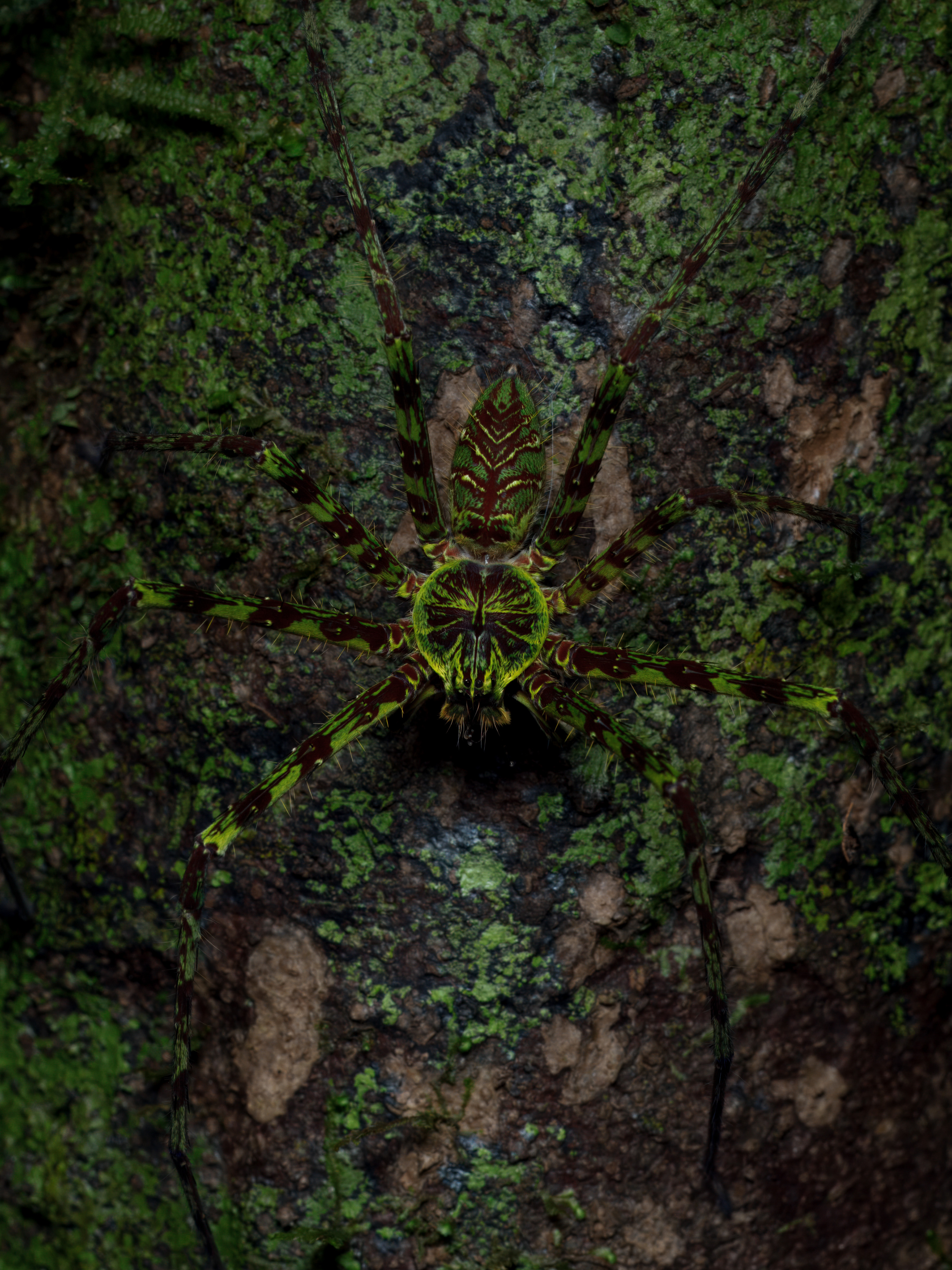
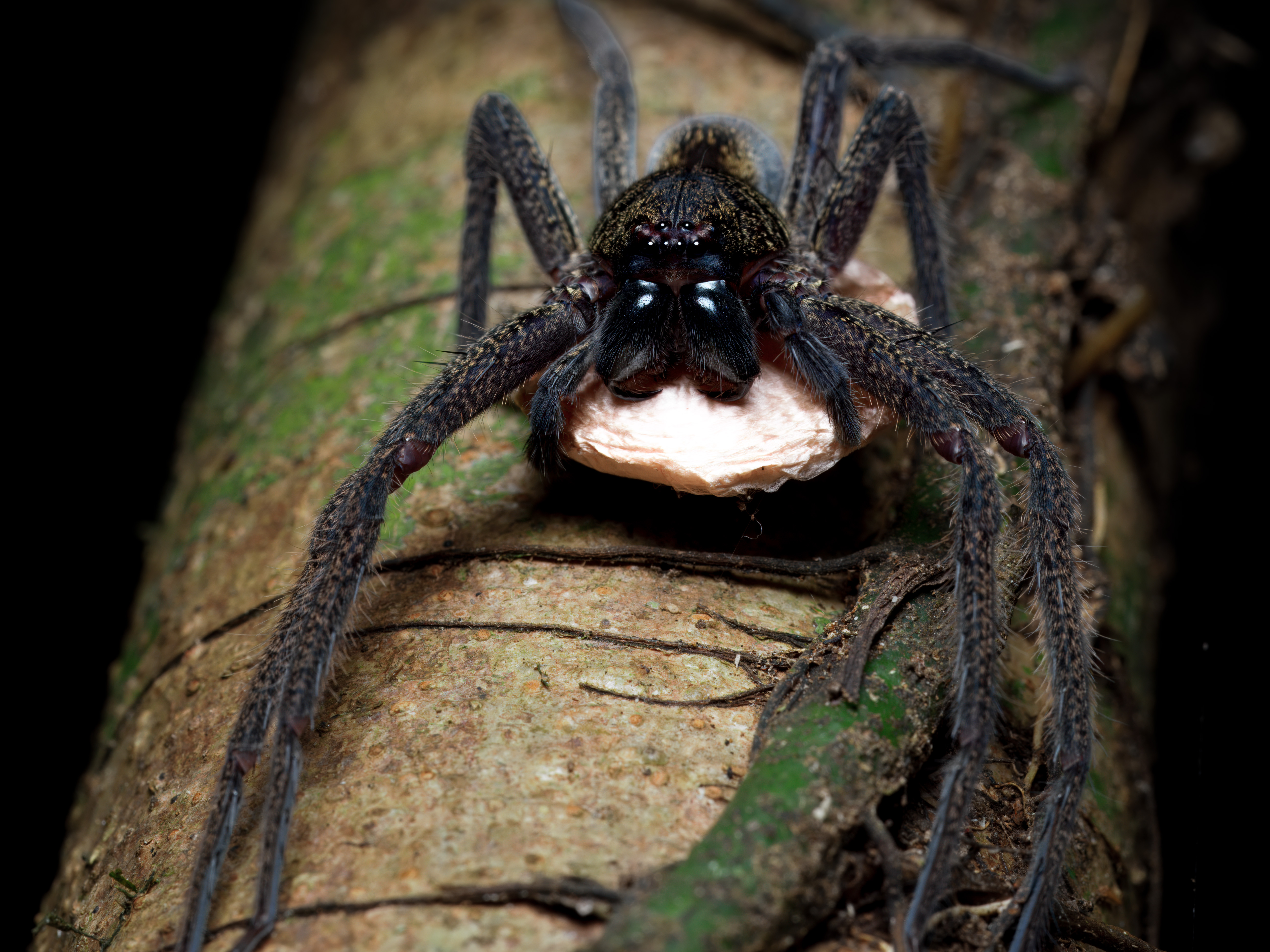
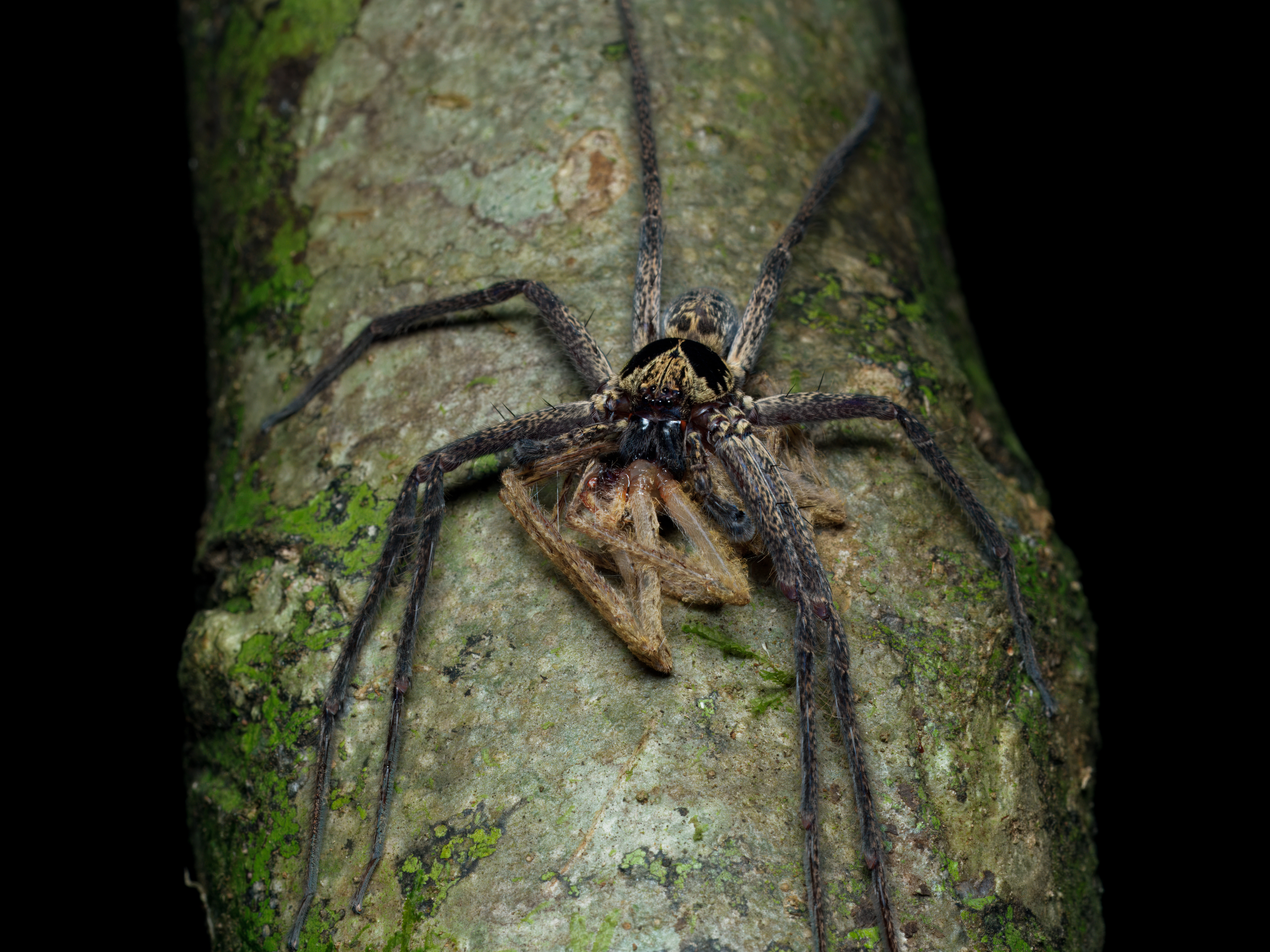
(from top: Lichen Huntsman spider, female Huntsman spider with egg pouch, and male Pantropical Huntsman spider)
I also finally photographed something I had wanted to see for a long time, a white lanternbug (picture below). It was sitting on a tree trunk higher than eye level, so I had to stretch quite a bit to get into position for a photograph. It was one of those small discoveries that made all the effort worthwhile.
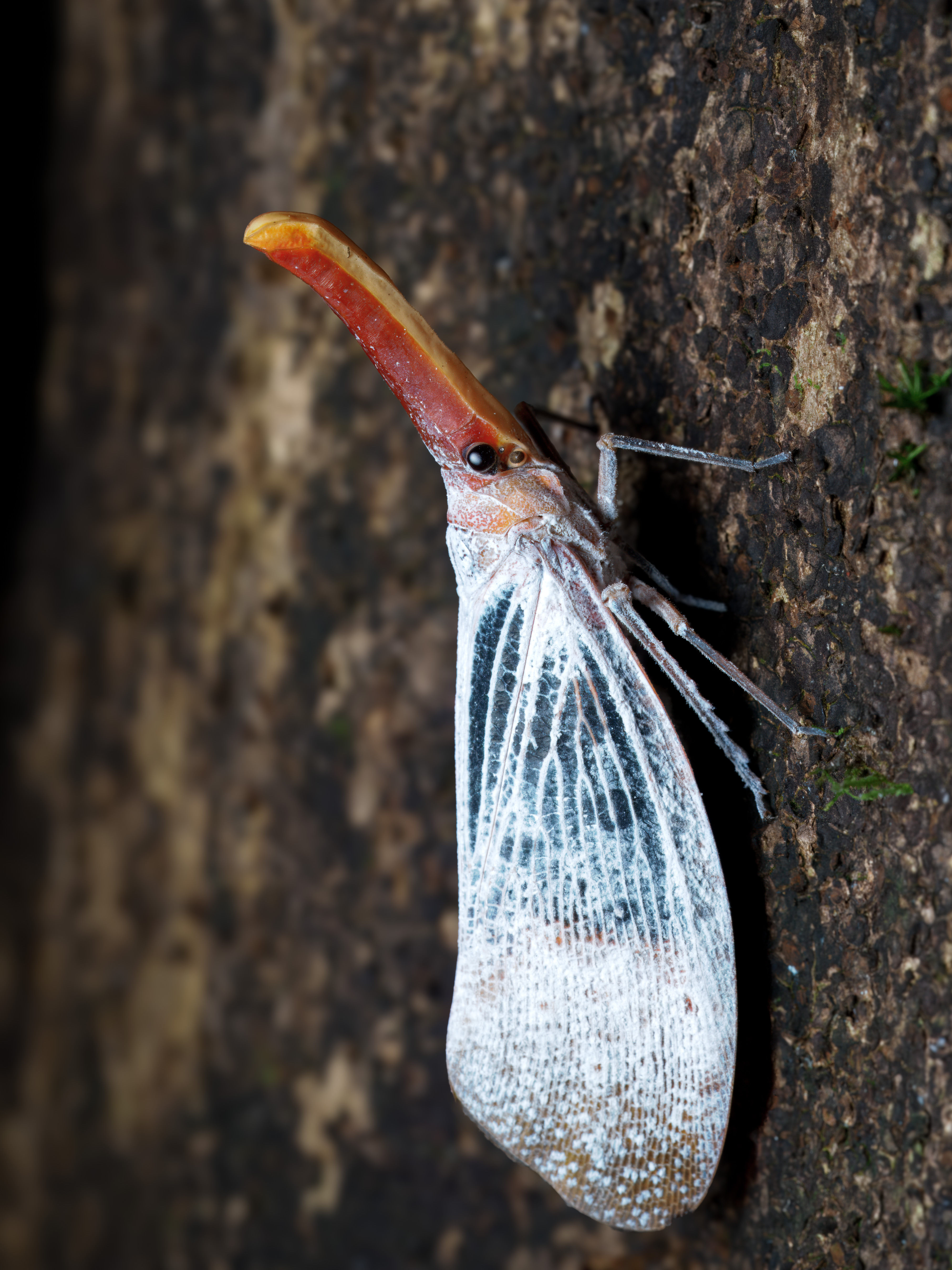
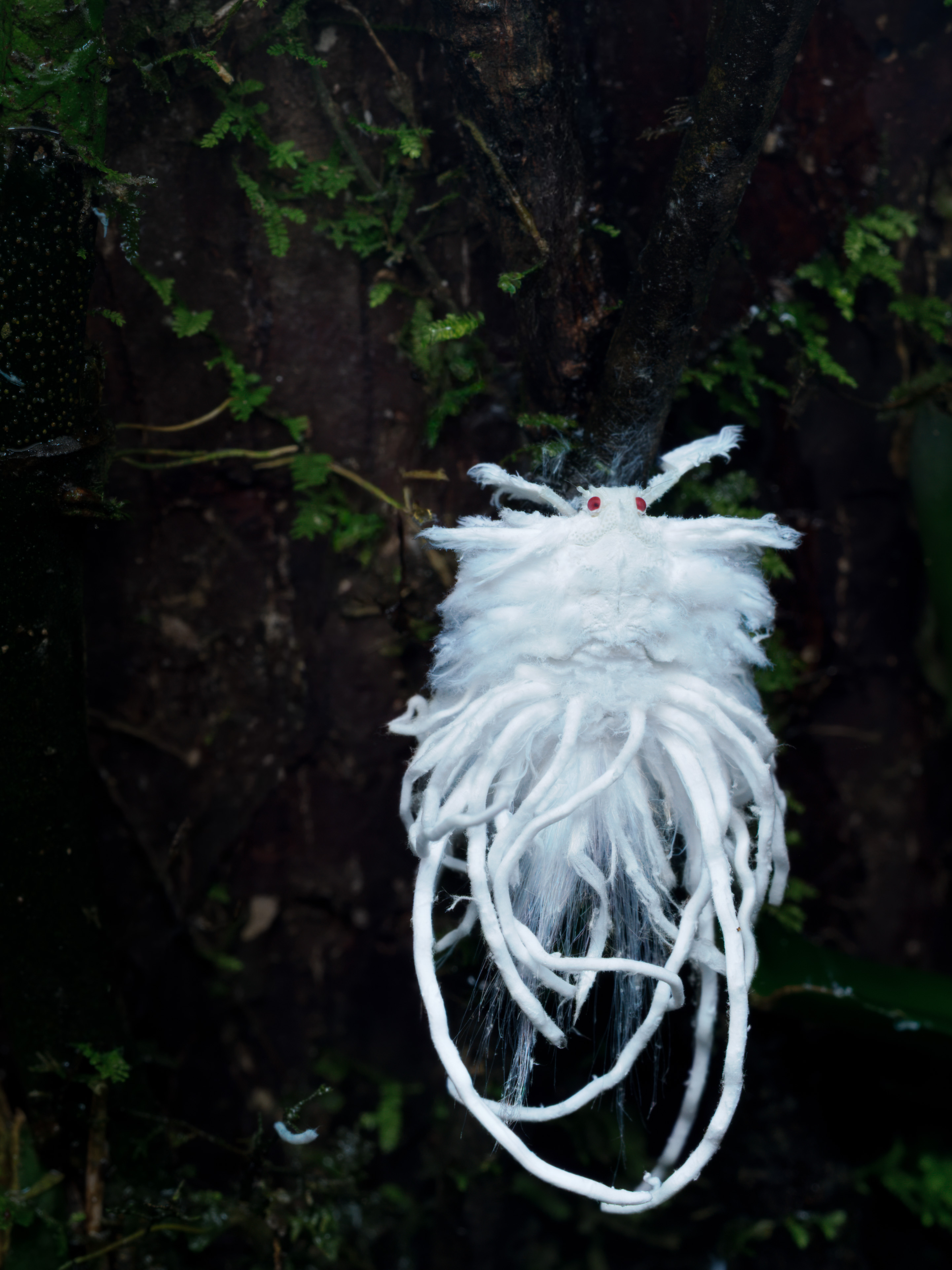
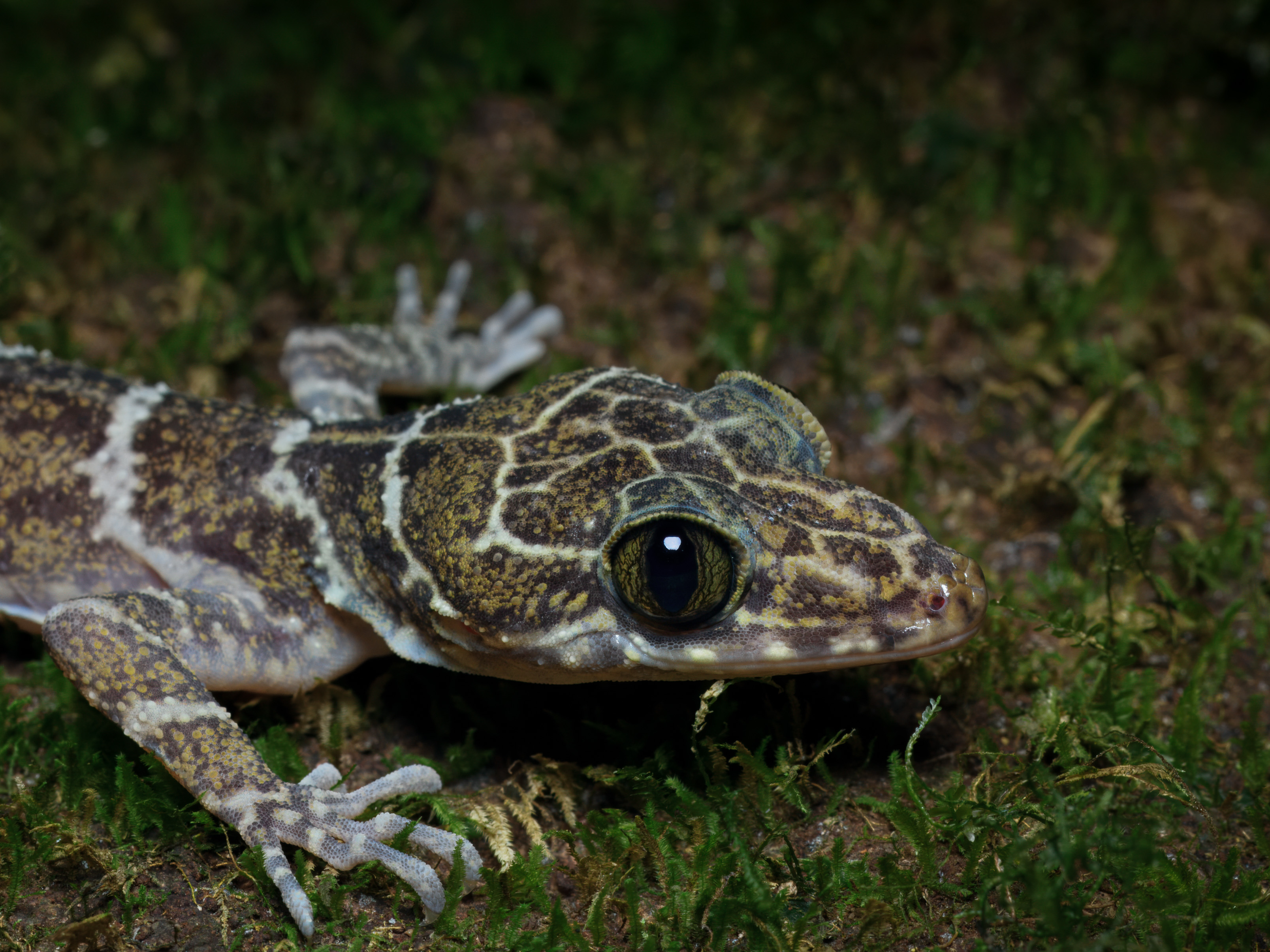
I also spotted a cotton bug, or planthopper nymph (picture below), for the first time, as well as my first Peter's bent-toed gecko (picture below).
Looking beyond the obvious
My first night herping trip at Kubah opened my eyes to the world of amphibians. Mulu introduced me to something completely different: arachnids, insects and geckos hiding in plain sight.
The experience reminded me that the forest changes completely after sunset. A tree trunk, a patch of lichen or a dark corner of the forest floor can hold an entire world of life that is easy to miss.
Walking through the jungle after nightfall has made me realise just how many amazing species of wildlife we share this world with.
We only have to be willing to look closely enough to see them.