
Ratnagiri doesn't.
Even before the first light reached the canopy, the forest was already alive. Calls came from every direction—some familiar, many I couldn't place. I had barely walked a few hundred metres before stopping for the first photograph of the day.
That stop became another. Then another.
By the time I looked at my watch, hours had disappeared.
As a wildlife photographer, there are days when you spend hours waiting for a single memorable sighting. And then there are days when the forest simply keeps giving. Ratnagiri gave me one of those rare days.
When I returned to my room that evening and checked my camera, I had photographed nearly 60 bird species in a single day.
Not because I was unusually lucky.
Because Ratnagiri is simply that rich.
The Konkan coast is famous for its Alphonso mangoes, seafood and beaches. Most visitors come here to enjoy the sea breeze, visit centuries-old forts or savour a plate of fresh fish thali.
I came carrying a telephoto lens.
The forests behind the coastline were my destination.
Streams flowed silently beneath dense evergreen trees. Sunlight struggled to reach the forest floor. Every few minutes another bird called from somewhere inside the canopy. Walking through the trails felt less like searching for birds and more like trying to keep pace with a forest that refused to stay quiet.
Then came the moment I had been hoping for.
A tiny flash of deep blue landed on a branch above a shaded stream.
The Blue-eared Kingfisher.
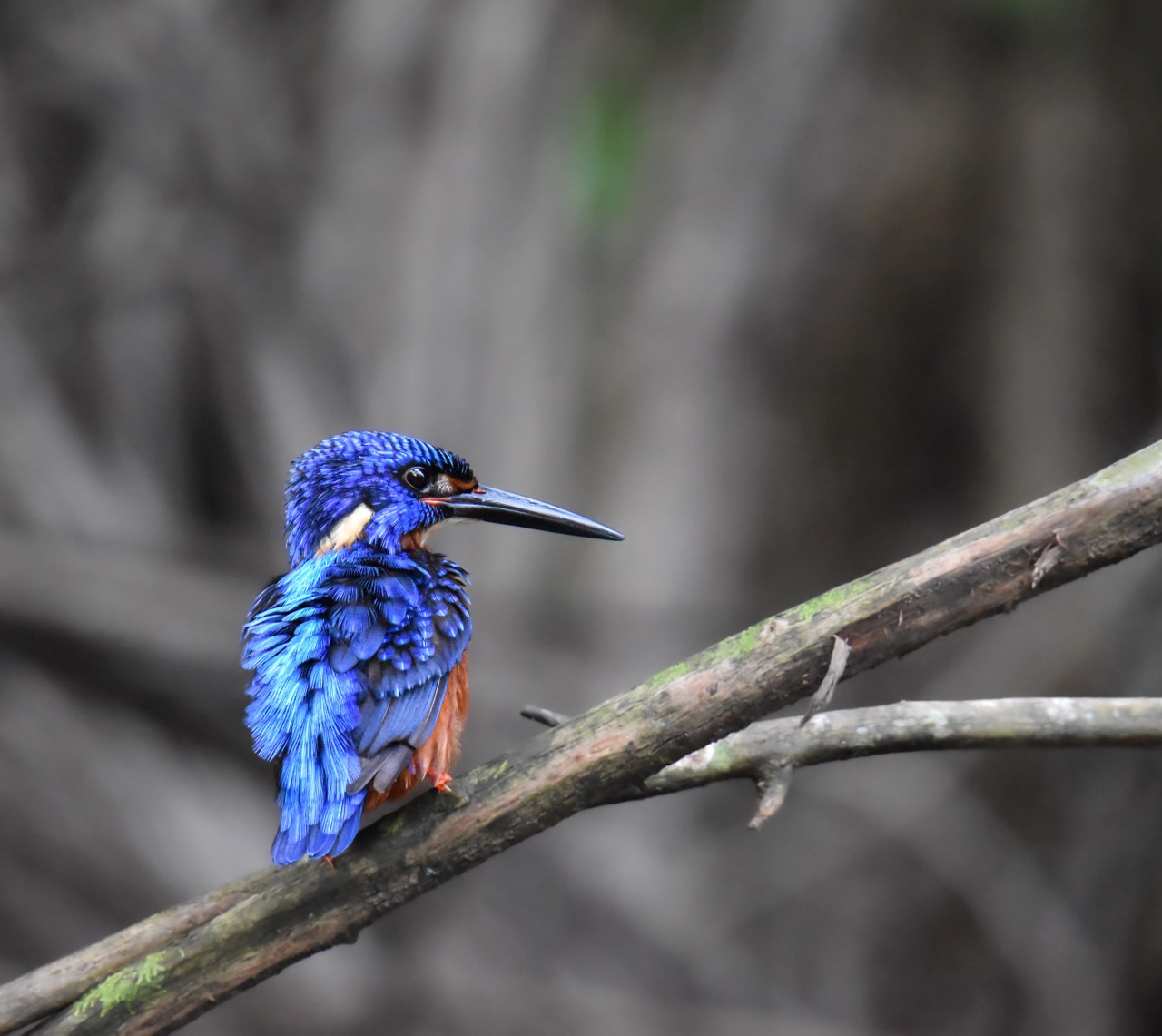
I have photographed kingfishers across several countries, yet this species still manages to leave me speechless. It lives where very little sunlight reaches the water, making every sighting feel intimate. For a few precious seconds it sat motionless, its brilliant blue feathers glowing against the dark forest.
I barely breathed.
One small movement could have ended the moment.
Then it disappeared, leaving behind only the sound of flowing water.
A few hundred metres later, another jewel appeared.
The Oriental Dwarf Kingfisher.
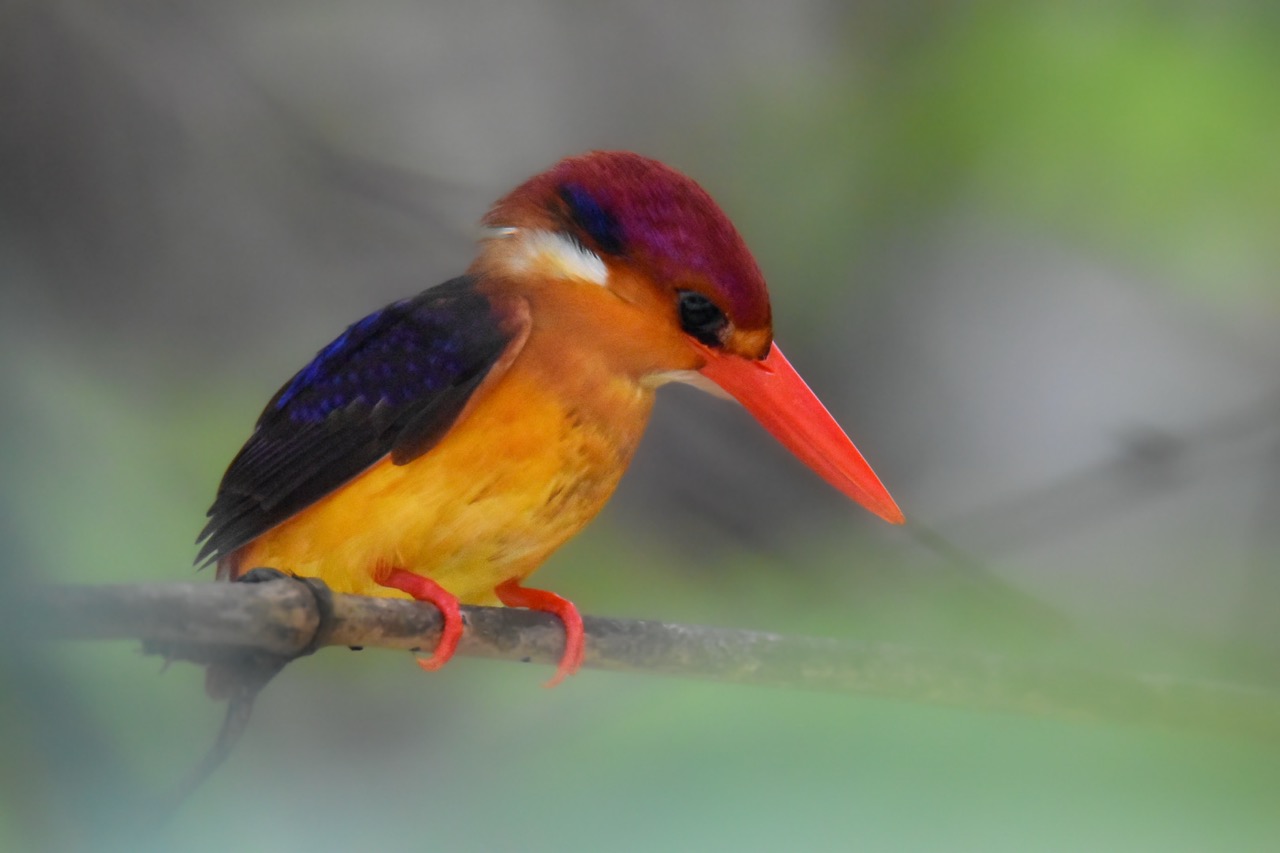
No photograph truly prepares you for seeing this bird in the wild. Orange, purple, crimson and deep blue merge into one of the most colourful birds found in India. It perched quietly beside a forest stream, occasionally shifting from one branch to another while I waited for the perfect frame.
Sometimes I forgot to press the shutter.
Watching it was enough.
As the forest became brighter, movement on the ground caught my eye.
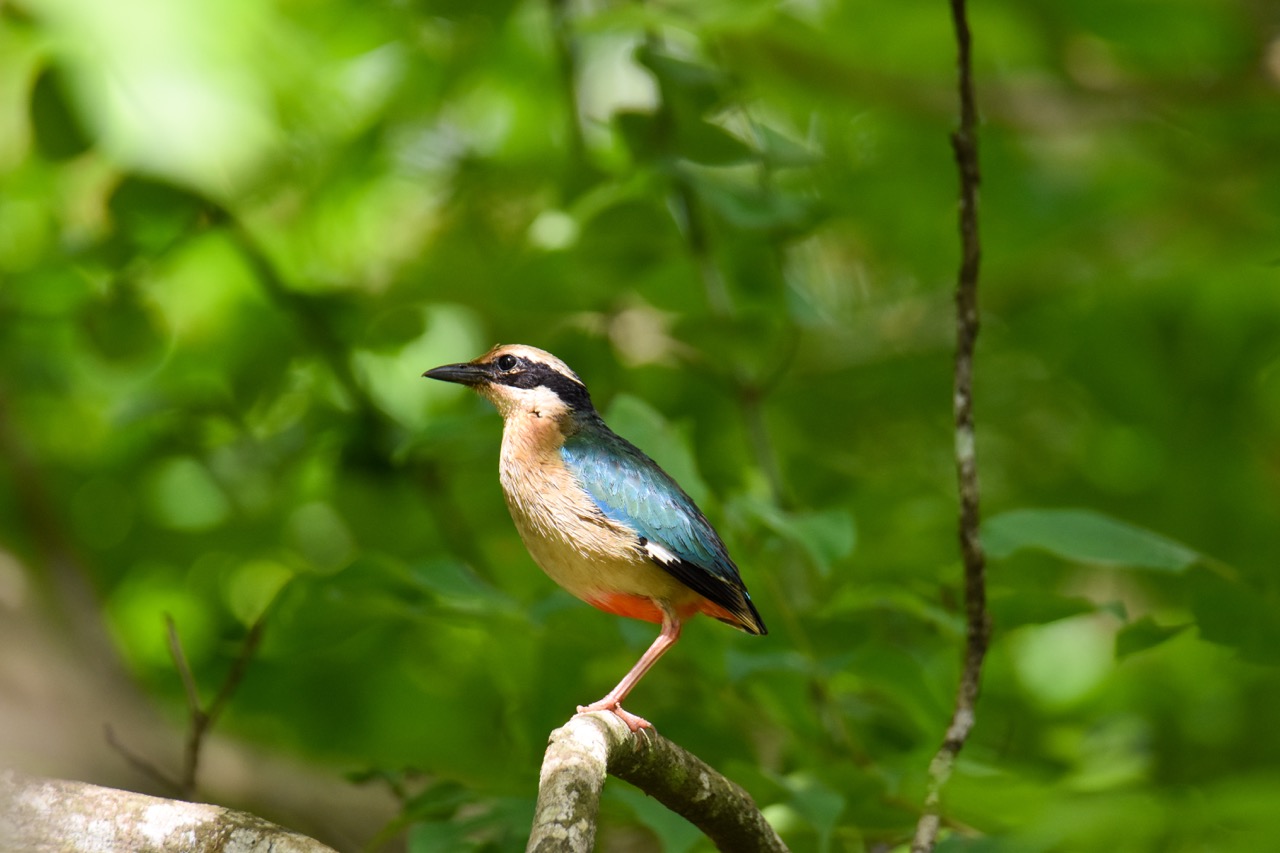
An Indian Pitta hopped through dry leaves, turning them over one by one in search of insects. Known as the "Nine-coloured Bird", it looked like someone had painted it with every colour available.
Not far away, loud wingbeats echoed through the canopy.
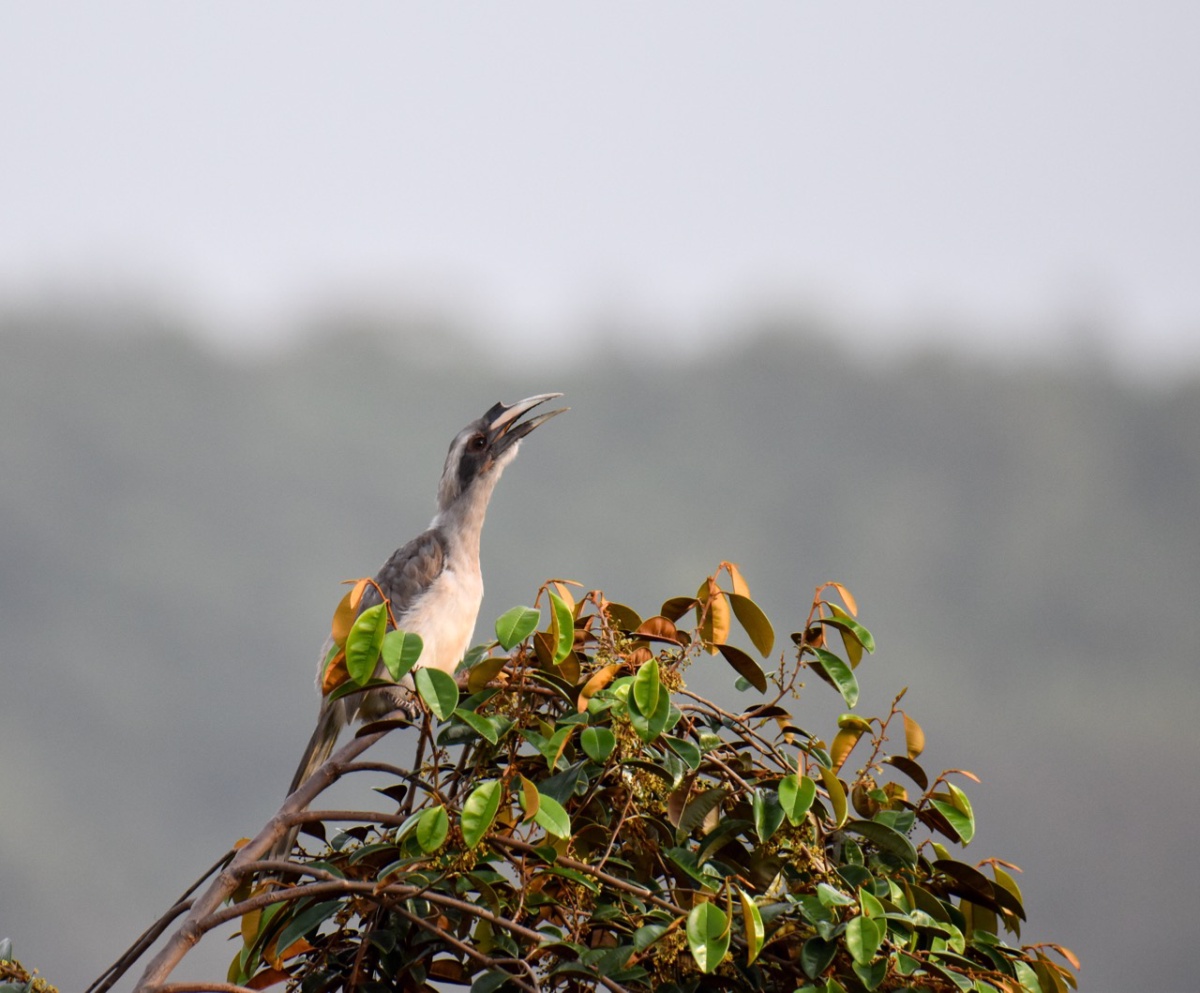
A pair of Indian Grey Hornbills landed on a fruiting tree, soon joined by another hornbill deeper inside the forest. Their arrival reminded me that healthy forests are measured not just by the trees they grow, but by the wildlife they continue to support.
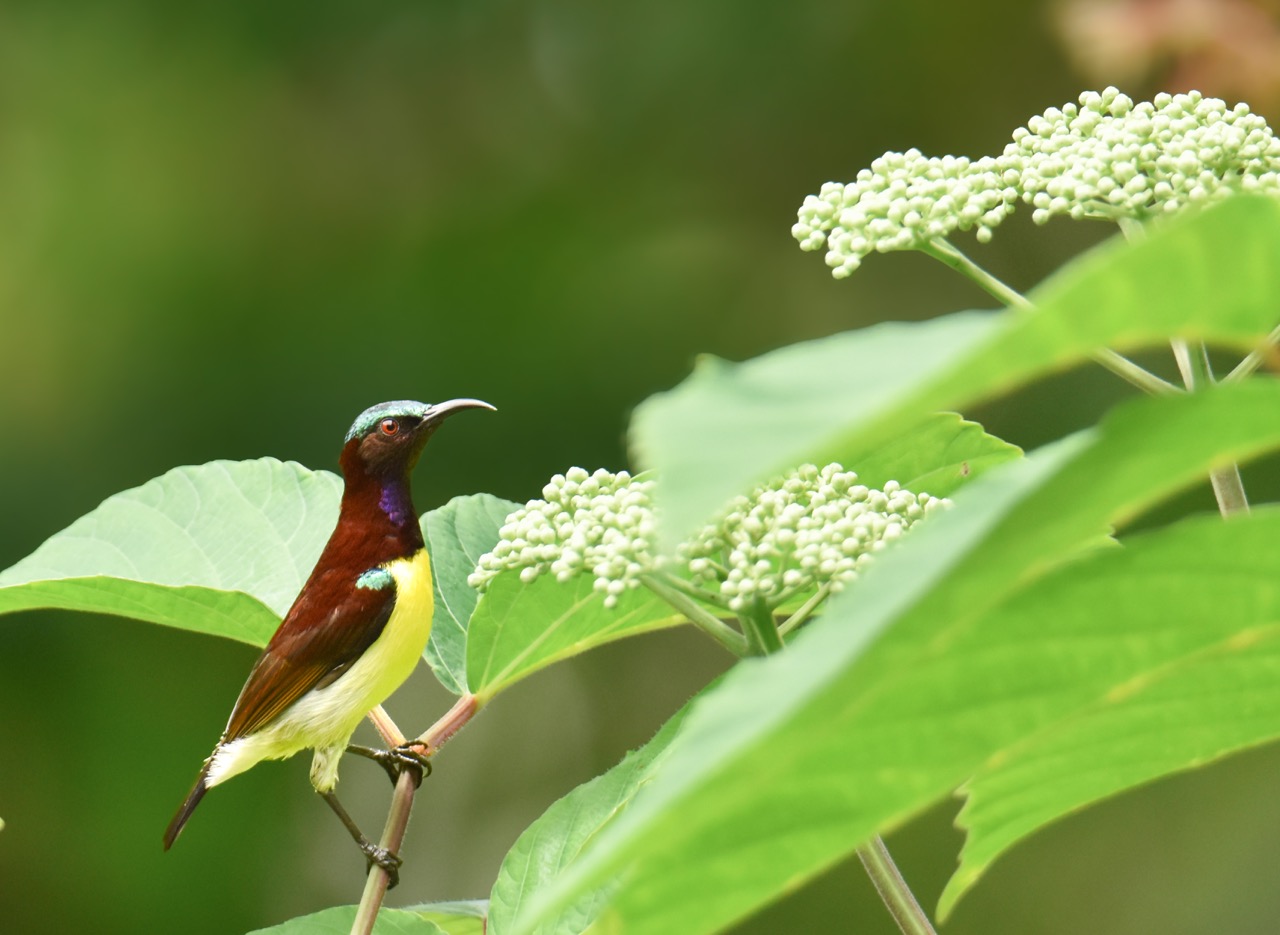
The flowering trees belonged to the sunbirds.
Purple Sunbirds.
Loten's Sunbirds.
And the beautiful Vigors's Sunbird.
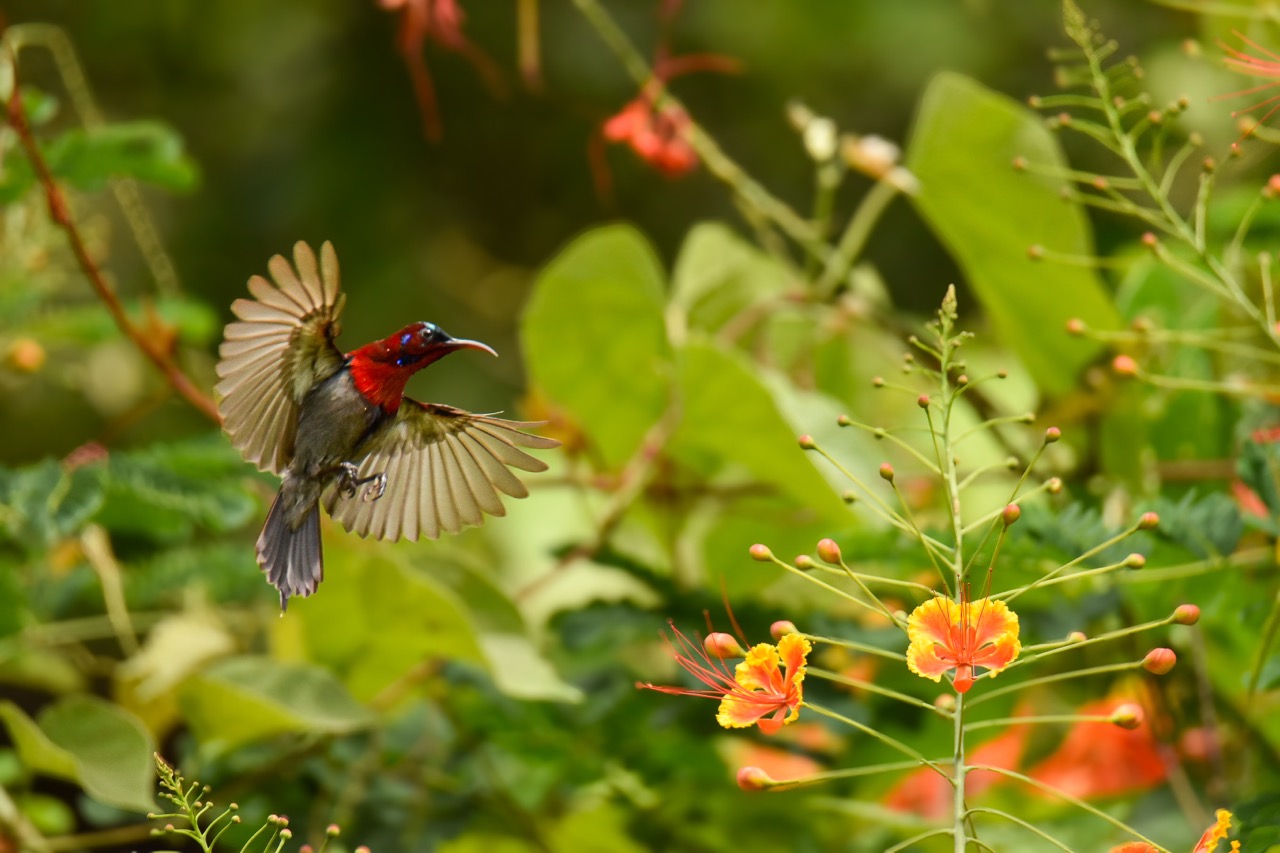
Each flower seemed to attract another tiny burst of colour. Photographing them was a challenge—they rarely stayed still for more than a second—but that constant movement is exactly what makes them so fascinating.
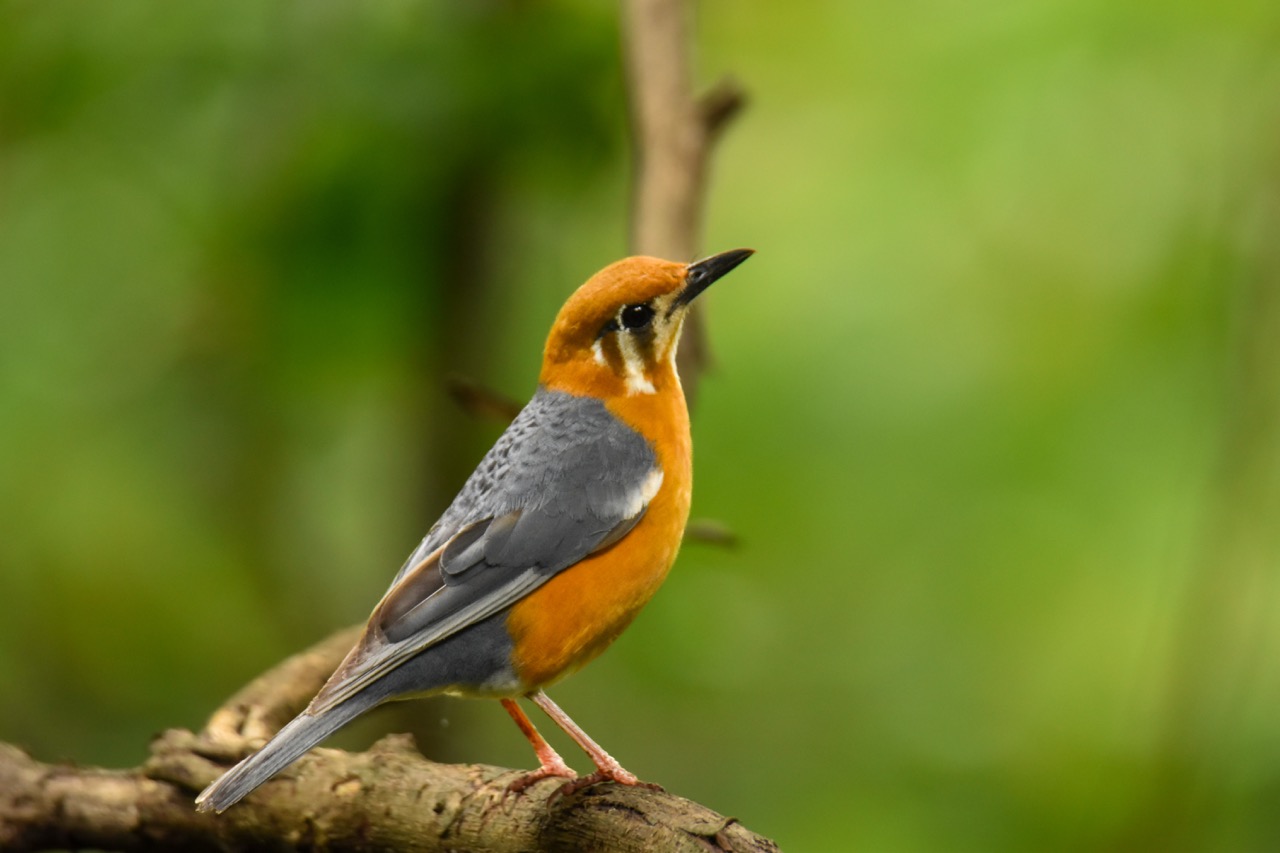
By evening my checklist had crossed sixty species.
The number itself wasn't important.
What stayed with me was the feeling that every corner of Ratnagiri had another surprise waiting. A drongo chasing insects. Barbets calling from hidden branches. Flycatchers perched quietly along shaded trails. Woodpeckers tapping on old trees.
Ratnagiri reminded me that some of India's finest birding destinations are still wonderfully underappreciated.
Once the cameras were packed away, another side of Ratnagiri unfolded.
The same district that shelters Blue-eared Kingfishers also produces India's finest Alphonso (Hapus) mangoes. The coastline is dotted with peaceful beaches like Ganpatipule, Aare-Ware and Bhatye, while Ratnadurg Fort overlooks the Arabian Sea, telling stories that stretch back centuries. Fresh seafood arrives directly from local fishing boats, making every meal as memorable as the morning bird walk.
For bird photographers, Ratnagiri offers something rare.
A place where you can begin your day inside a rainforest and end it watching the sun disappear into the Arabian Sea.
Long after the taste of its famous mangoes fades, I know what I'll remember most.
A flash of brilliant blue disappearing into a shaded forest.
My Birding Journey in Ratnagiri
If you would like to see the habitats, birding trails and behind-the-scenes moments from this trip, you can watch my journey here:
https://youtu.be/r4ogmF-PGUc?si=7V2mcLWsBktekzqI
When to Visit
Ratnagiri can be visited throughout the year, but the experience changes with the seasons.
June to September (Monsoon): The forests are lush and alive. This is one of the best times to photograph Oriental Dwarf Kingfishers, Blue-eared Kingfishers and many resident forest birds. Expect rain, leeches and challenging shooting conditions, but also some of the most rewarding bird photography.
October to February: Pleasant weather with excellent bird activity. Resident birds are active, and winter migrants begin arriving. This is an ideal season for birdwatchers, photographers and family travellers.
March to May: Famous for the Alphonso mango season. Although temperatures are higher, fruiting trees attract hornbills, barbets and other frugivorous birds, making it a productive time for wildlife photography.
How to Reach
By Air
The nearest major airport is Goa (Manohar International Airport), around 250 km away.
Pune and Mumbai airports also offer excellent connectivity, followed by a scenic road journey.
By Train
Ratnagiri is a major station on the Konkan Railway, with direct trains from Mumbai, Pune, Goa, Mangalore and several other cities.
By Road
Ratnagiri is well connected via NH-66 (Mumbai–Goa Highway).
Approximate driving times:
Mumbai: 7–8 hours
Pune: 6–7 hours
Goa: 5–6 hours
For Bird Photography
Hiring a local vehicle is highly recommended, especially for early morning birding sessions. Many of the best forest trails and stream-side habitats are located away from the main tourist areas, and having a knowledgeable local guide significantly improves your chances of finding species like the Blue-eared Kingfisher, Oriental Dwarf Kingfisher, Indian Pitta and hornbills.