My association with Barnawapara Wildlife Sanctuary began in the closing months of 2019. Located roughly 100 km east of Raipur, Chhattisgarh, the sanctuary offered the perfect weekend escape into nature. My first visit was enjoyable, but like many initial explorations of a new forest, it guarded its secrets. I returned with a few photographs and the impression that the sanctuary had much more to reveal than it had shown me on that first day.
Only a few months later, in March 2020, the COVID-19 pandemic brought the world to a standstill. National lockdowns followed, forests were closed, safaris were suspended, and wildlife tourism came to an abrupt halt. Like everyone else, I remained occupied with professional responsibilities as a medical teacher and physician, including COVID-19 duties. The sanctuary had to wait.
In November 2020, despite the continuing pandemic, Barnawapara reopened with restrictions. Before leaving for another stretch of COVID duty, I decided to make one quick visit. That decision changed my relationship with the sanctuary forever.
I encountered the sanctuary’s apex predator—in the absence of a resident tiger, the leopard—resting only a few feet from our vehicle. Calm, confident and completely undisturbed by our presence, it remained in view long enough for me to observe every detail and capture a series of photographs. It was my first close encounter in Barnawapara, and it ignited a determination to explore the sanctuary more seriously.
The pandemic, however, continued to interrupt travel until after the third wave. By the second half of 2022, restrictions had largely disappeared, and I began visiting the sanctuary whenever time permitted. Over the next four years, those occasional visits gradually accumulated into fifty safaris, completed in June 2026.
Unlike many visitors who primarily search for large mammals, my objective was broader. I wanted to document the sanctuary’s biodiversity through photography. My approach remained simple throughout these years: observe, photograph, document—and repeat. Every safari added another piece to the ecological puzzle, revealing something new about the forest and its inhabitants.
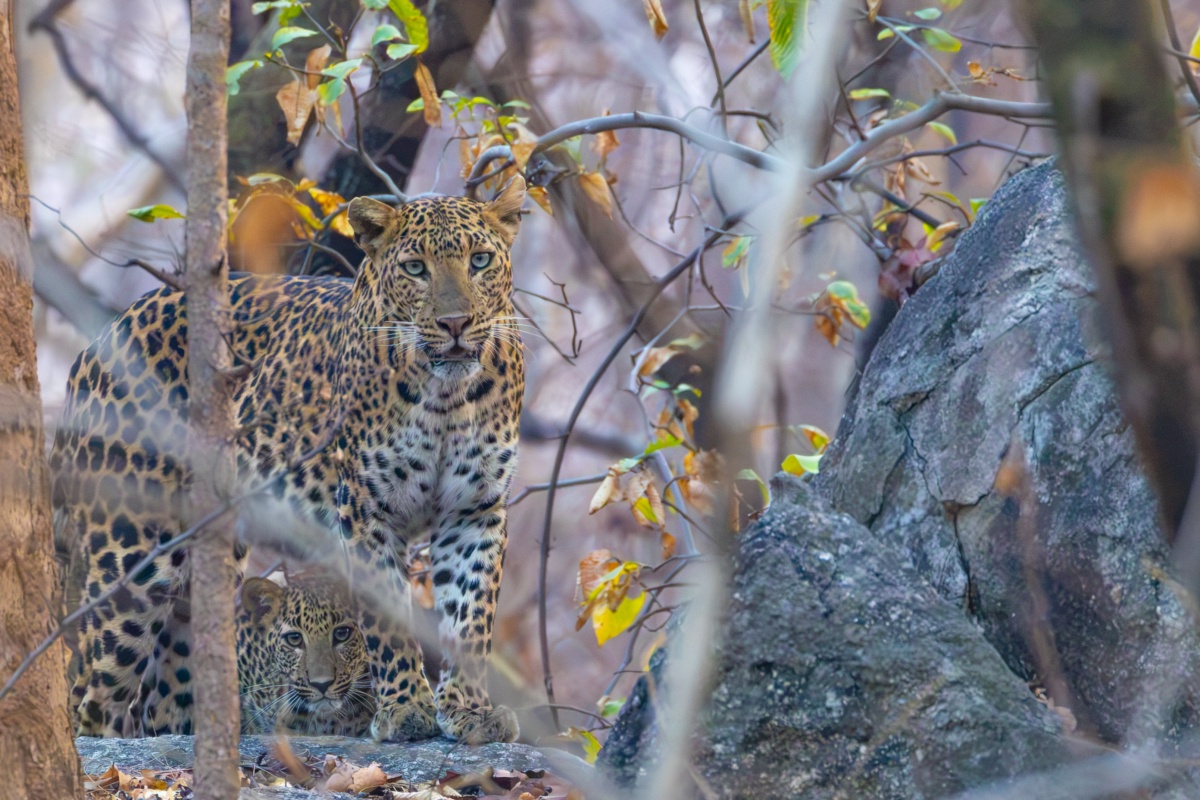
Among all my mammalian encounters, one remains unmatched. In March 2025, a female leopard lay in the open with her cub for nearly twenty minutes. She held her ground, chin low and ears constantly swivelling toward every rustle in the undergrowth, alert to even the faintest sound. Beneath the rock, her tiny cub remained hidden at first, cautiously observing the world beyond its shelter. After a few tentative moments, it emerged and sought the safety of its mother, slipping beneath her protective frame. Soon, the mother climbed onto the rock and settled comfortably while the cub's curiosity took over. It pawed playfully at her tail, scrambled across her back, and frolicked around her with complete confidence, transforming the vigilant predator into a patient, nurturing parent. Most leopard sightings are measured in fleeting seconds; this rare encounter unfolded unhurriedly, allowing me to simply watch and appreciate an intimate glimpse into the bond between a mother leopard and her cub.
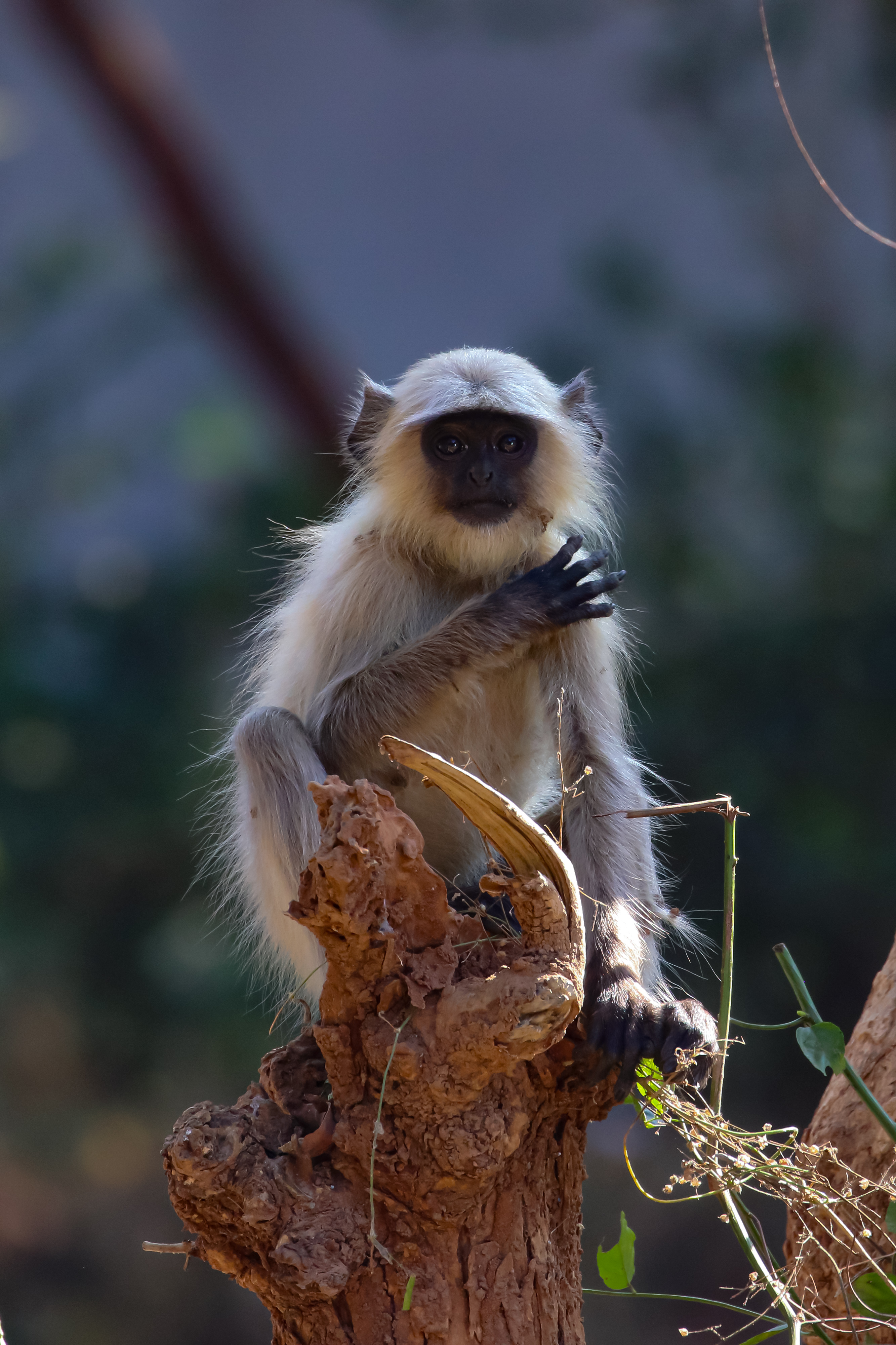
Another December 2022 gave me a quieter kind of picture. A baby Indian Gray Langur was sitting quietly on a fallen tree. Its eyes held a mix of innocence and curiosity. No dramatic action unfolded, yet the portrait remains one of my favourite wildlife photographs because it demonstrates that powerful images are often created not by action, but by emotion.
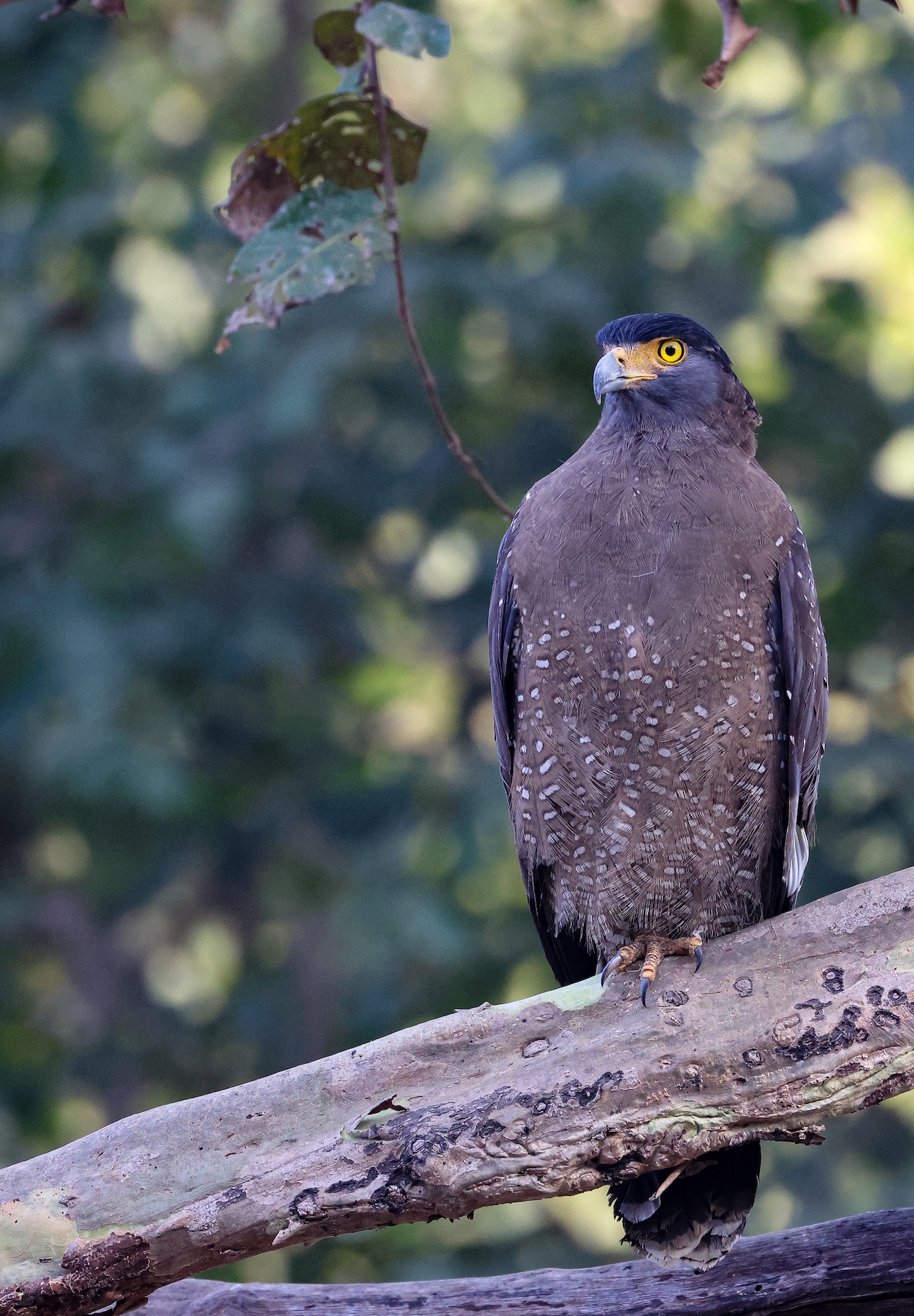
Nature also offered dramatic examples of predator-prey relationships. In April 2026, we witnessed a Crested Serpent Eagle successfully hunting an Indian Spectacled Cobra. Although we observed the event from a distance, watching one of India’s finest snake-hunting raptors overpower such a formidable reptile was a reminder of the intricate food web that sustains healthy ecosystems.
Predation, however, does not always end in success. During another encounter in April 2024, a Rat Snake attempted to capture a frog. The snake remained perfectly still before launching an astonishingly rapid strike that I managed to record in slow motion. The frog escaped by the narrowest of margins. Survival in the wild can hinge on fractions of a second—and even a perfectly timed strike can miss.
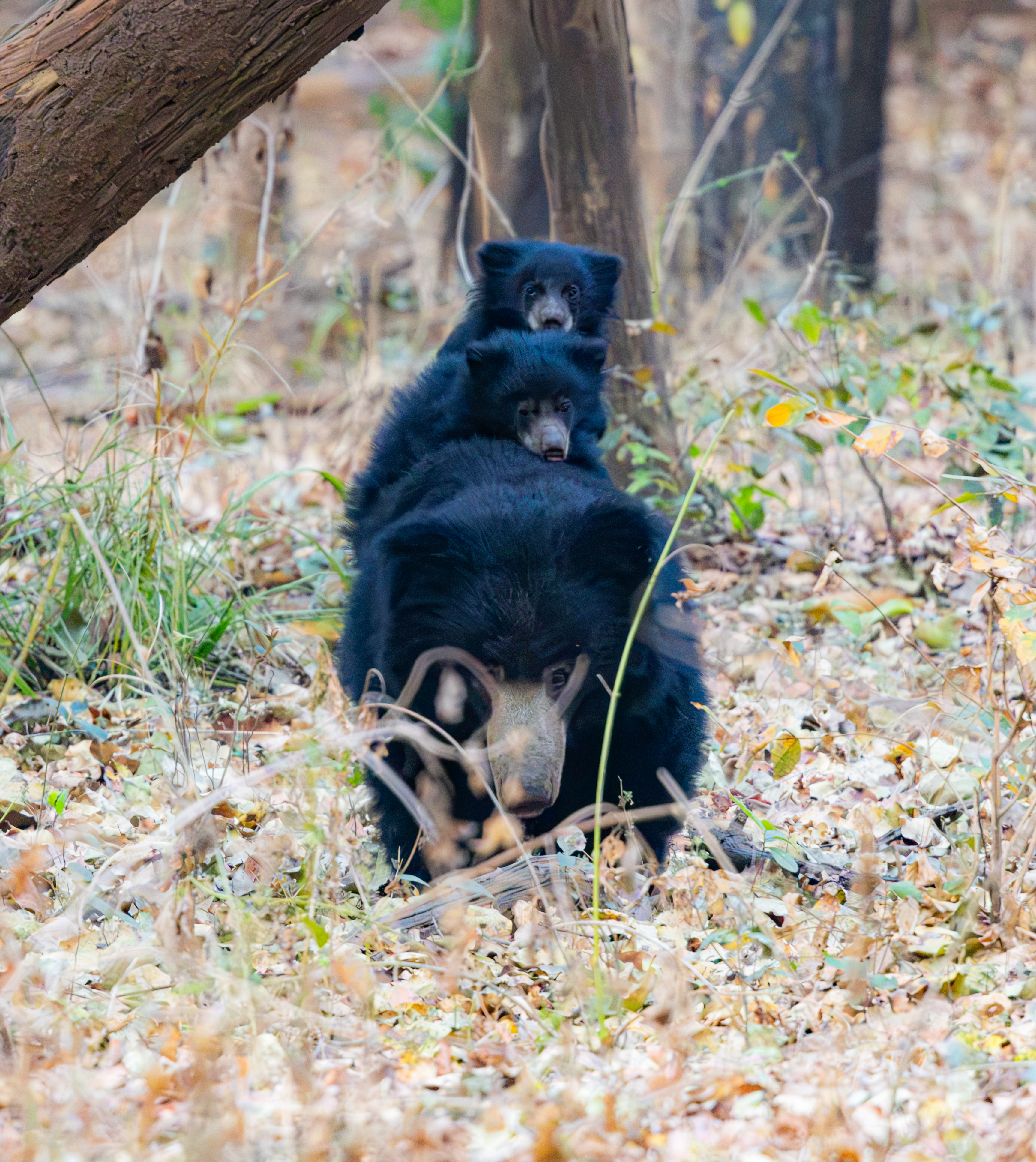
The year 2026 belonged to another charismatic resident of Barnawapara—the Sloth Bear. During multiple safaris we encountered adults, females with cubs and young bears foraging peacefully within the forest. Across the season I recorded ten distinct individuals, including two distinct females riding with two cubs riding on her back. These repeated sightings may indicate a healthy breeding population and suggest that the sanctuary continues to provide suitable habitat for this vulnerable species.
Apart from these memorable encounters, Barnawapara consistently rewarded us with sightings of Indian Gaur, Sambar Deer, Spotted Deer, Barking Deer, Blackbuck, Blue Bull, Wild Boar, Indian Hare, Golden Jackal and the ever-active Indian Grey Mongoose. Smaller mammals such as the Porcupine, Tree Shrew, Civet, Jungle Cat and Indian Fox added richness to the observations.
One of the most unexpected moments of my six-year journey came in February 2024, when we encountered an Indian Gray Wolf. Secretive and rarely seen in central India, the species is among Barnawapara’s least conspicuous predators. The sighting occurred in extremely low light and lasted only a few moments. Although the resulting photograph was not technically perfect, it serves as a valuable record of the species’ presence in the sanctuary. For me, the encounter reaffirmed that even after dozens of safaris, Barnawapara still had the power to reveal its best-kept secrets.
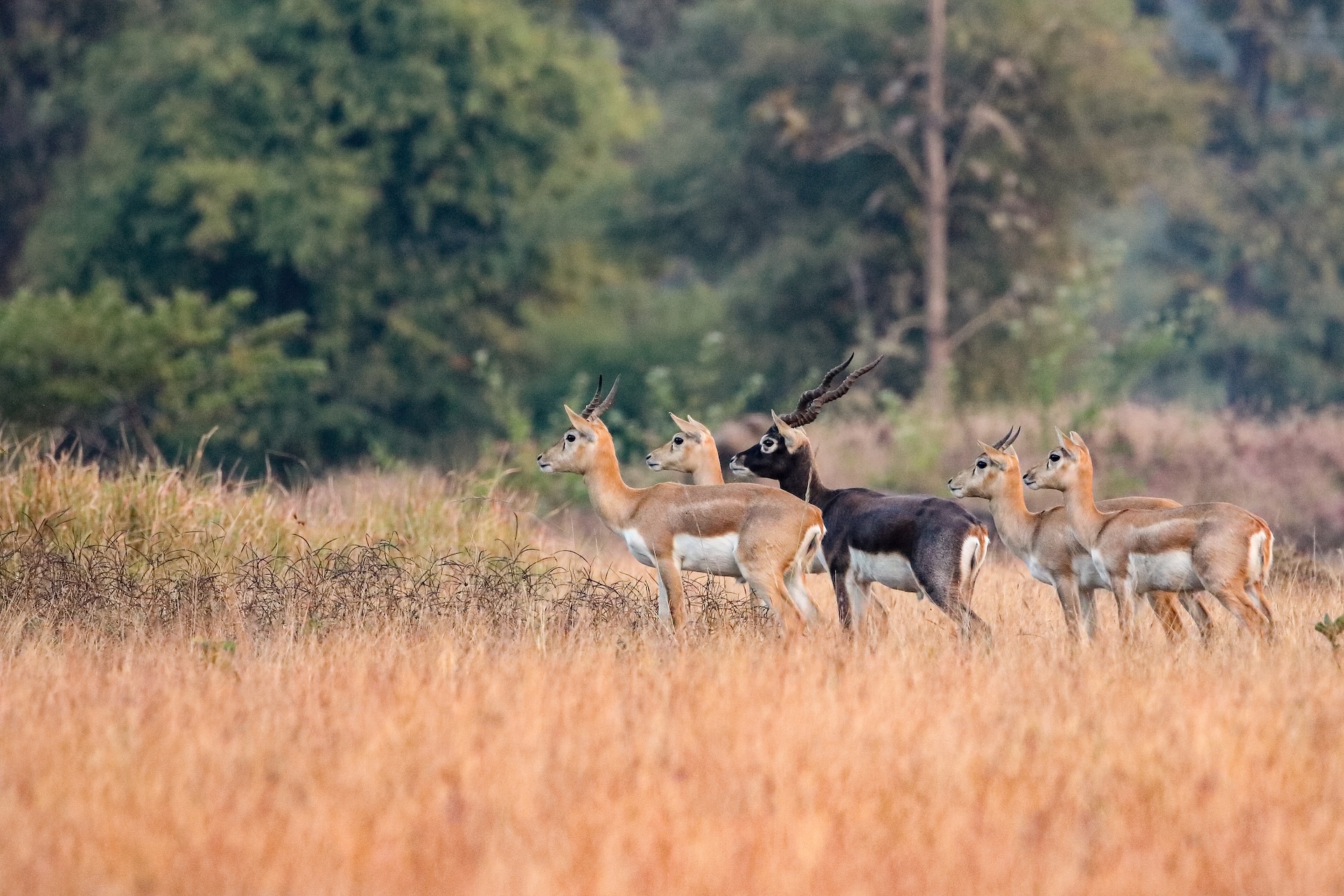
Equally encouraging has been the successful reintroduction of Blackbuck into the sanctuary. Declared locally extinct in Chhattisgarh by the 1970s, the species was brought back under the Forest Department’s 2021–2026 revival plan: 77 animals were translocated—50 from the National Zoological Park in Delhi and 27 from Kanan Pendari in Bilaspur—and by 2025 that founder group had grown to roughly 190. Watching herds of these elegant antelopes grazing peacefully across the grasslands on ground the species had abandoned for half a century is to watch conservation stop being an abstraction.
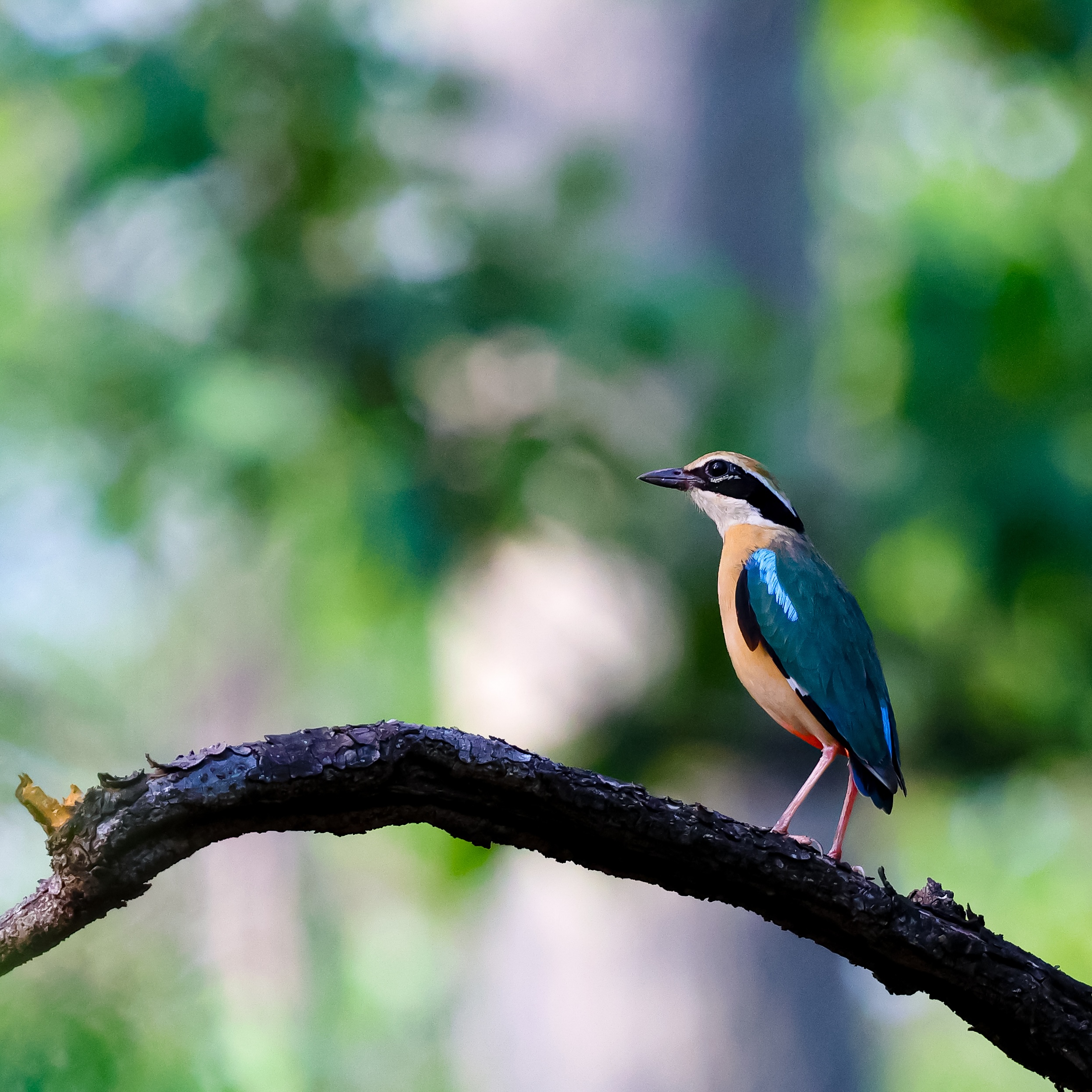
Birdlife has undoubtedly been one of Barnawapara’s greatest treasures. Over six years every season rewarded patience with different birds. Winter mornings belonged to migratory birds (thrushes, various flycatchers etc.) and raptors, while the first monsoon showers announced the arrival of the brilliantly coloured Indian Pitta. Barnawapara proved to be an exceptional destination for birdwatching as I could personally document more than 85 species of birds.
Among the memorable observations was the striking Black-capped Kingfisher in January 2026, an uncommon and highly rewarding sighting. Equally exciting was the Ashy Drongo observed during the same month. During the monsoon, the elusive Indian Pitta emerged briefly to announce the changing season before disappearing once again into the forest floor. Other regular companions included shrikes, fantail, munias, babblers, monarch, flycatchers, ioras and many more.
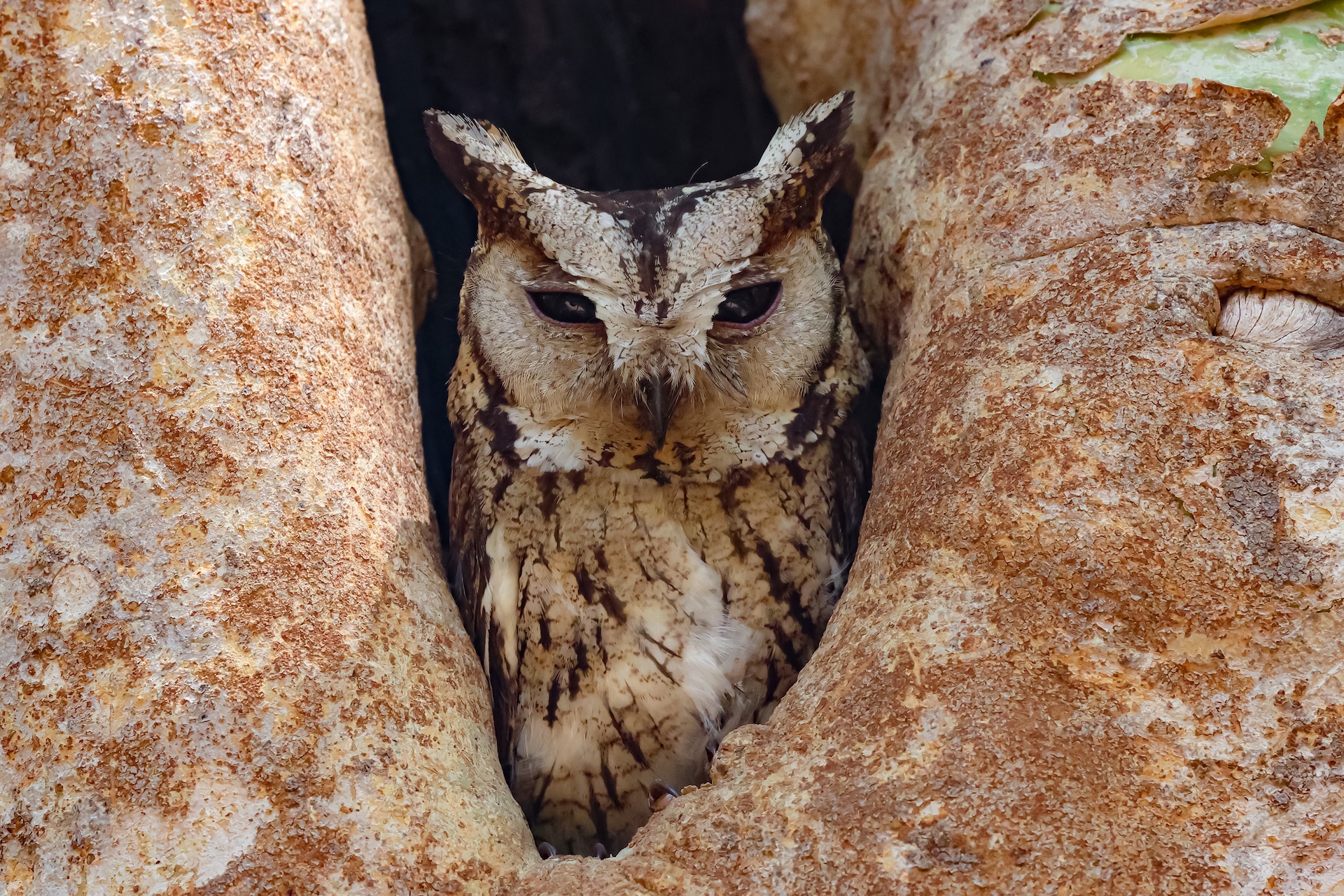
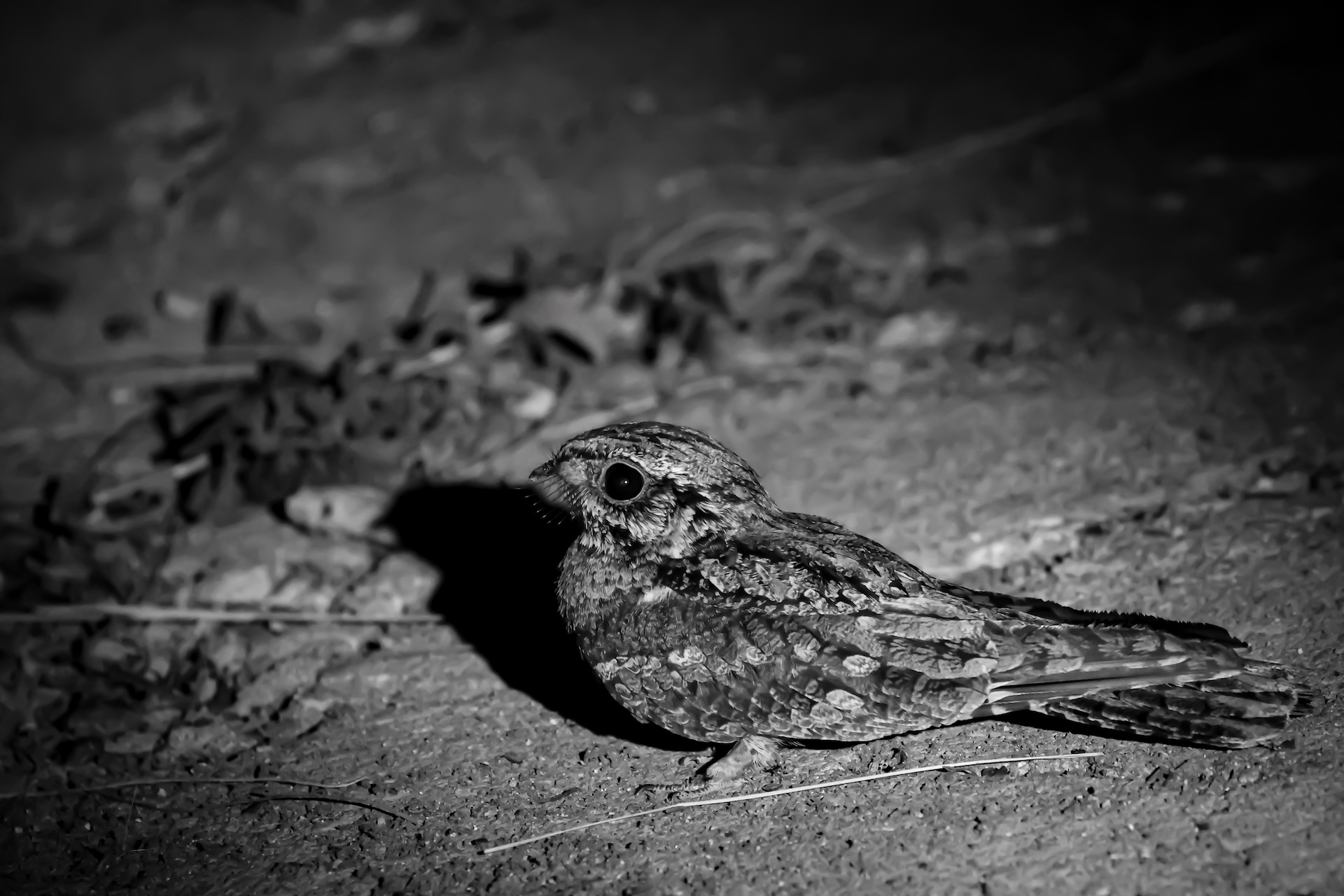
Barnawapara also proved to be an excellent destination for nocturnal birds. Several species of owls and nightjars were encountered resting silently on tree trunks or along forest roads, their camouflage making them almost invisible until carefully observed.
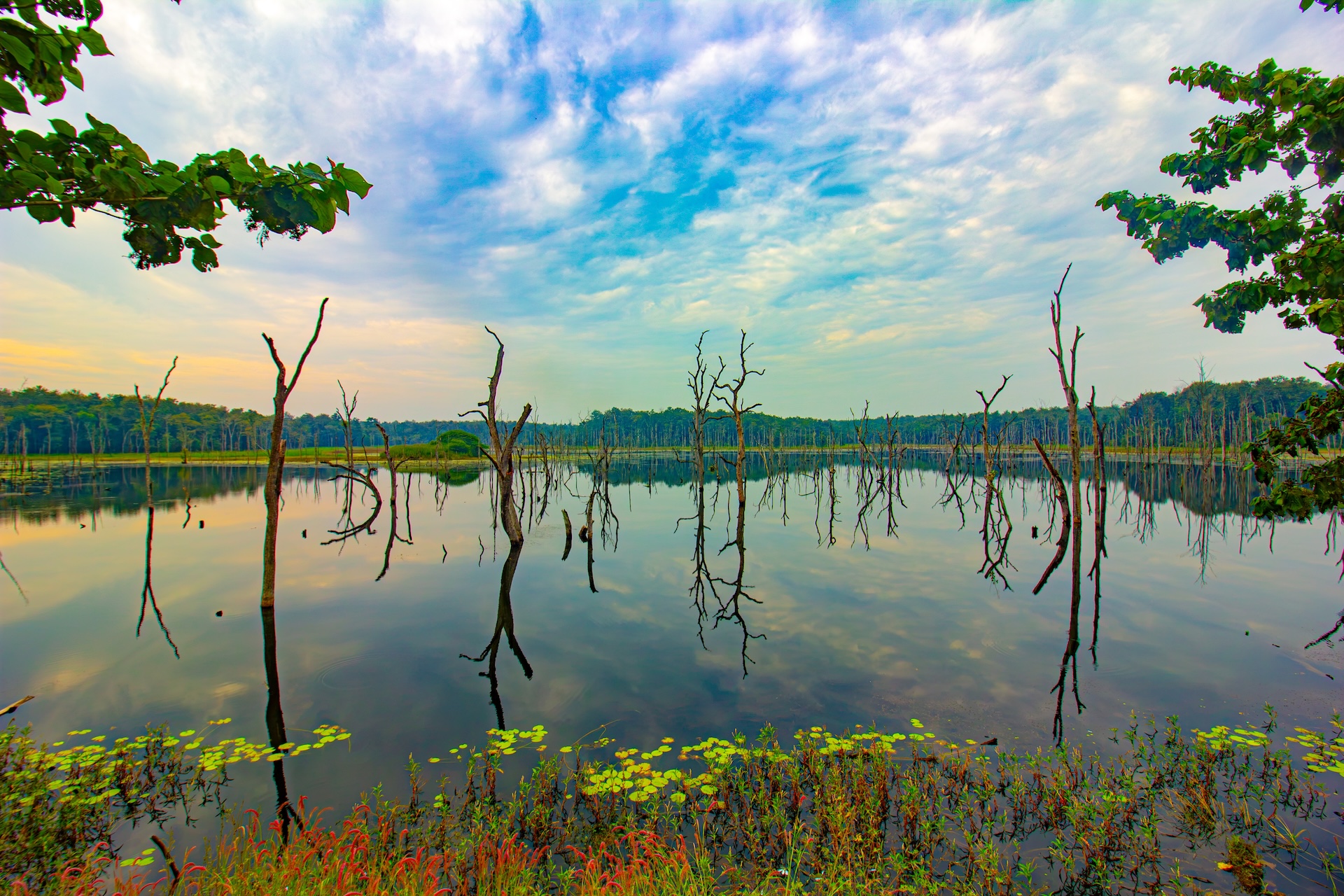
The wetlands surrounding Pakshi Vihar supported an equally impressive assemblage of waterbirds, including herons, ibises, geese, Northern Pintails and the majestic Osprey. Raptors such as eagles and buzzards regularly patrolled the skies, completing the sanctuary’s impressive avian diversity. One particularly distinctive sight was a Red-naped Ibis perched high atop an electricity tower near the centre of the sanctuary—a location that has become almost iconic during my visits.
The sanctuary’s diversity extends well beyond birds and mammals. Freshwater turtles basked quietly along wetland edges, while reptiles such as the Indian Cobra, Rat Snake, Bengal Monitor Lizard, Rock Agama and skinks represented the healthy reptilian fauna of the forest.
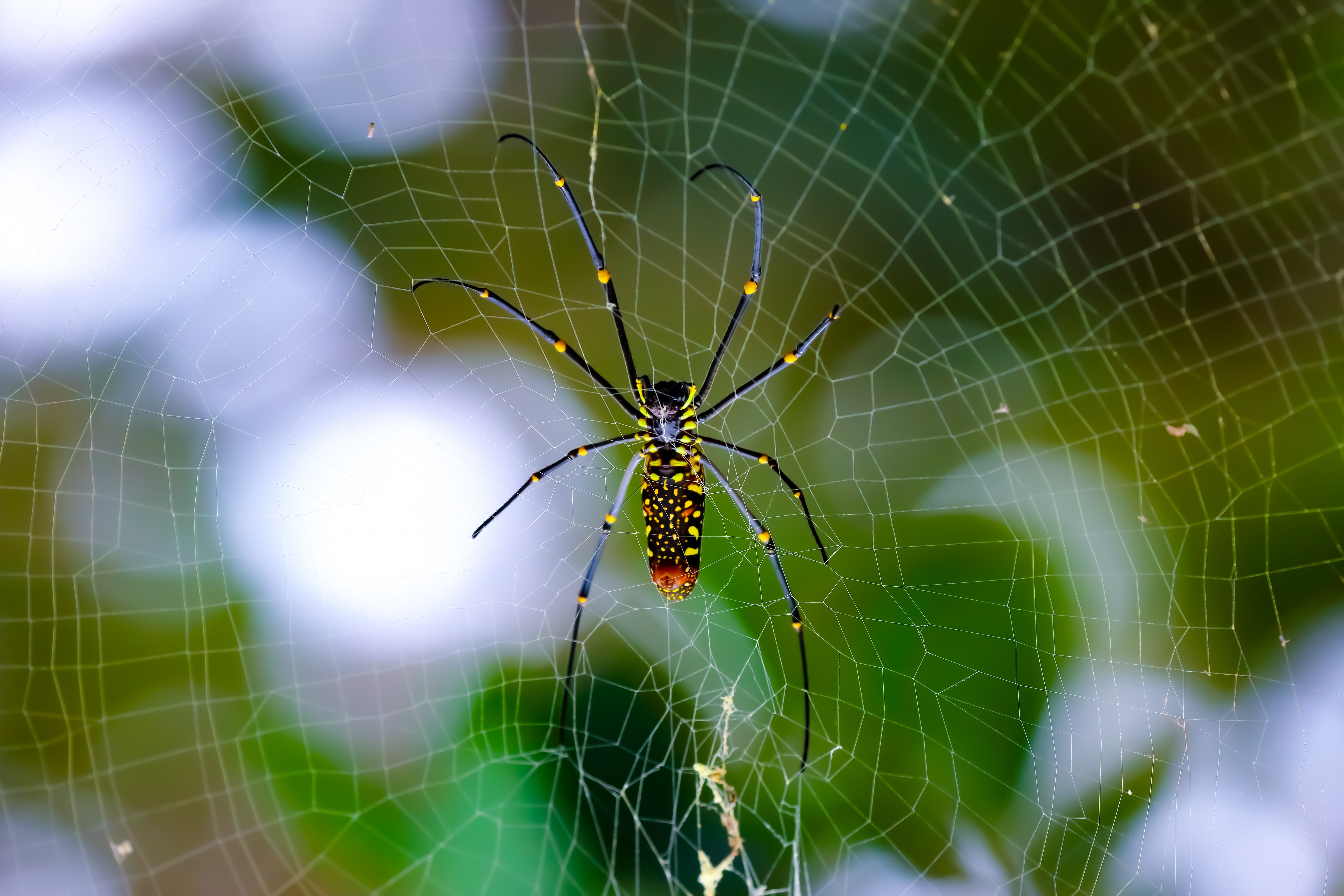
The monsoon transformed Barnawapara into a paradise for butterflies. Countless species fluttered through flowering meadows and forest clearings, adding colour to every trail. Equally fascinating were the Giant Wood Spiders, whose enormous golden orb webs stretched gracefully between trees, sparkling in the morning sunlight.
One major concern during my visits was the increasing presence of stray and feral dogs around the sanctuary. On several occasions I heard spotted deer sound alarm calls as these dogs approached, and I watched the dogs chase herbivores such as Sambar, stressing and occasionally injuring them. Their presence also raises concerns about disease transmission to wild carnivores and scavengers. Conditions such as canine mange, caused by parasitic mites, have been reported in wild canids like jackals and may spread through contact with infected domestic or feral dogs. Managing free-ranging dog populations around protected areas is therefore an important part of conservation here—reducing predation pressure, competition, and the risk of disease spilling into native wildlife.
The same rising Sloth Bear numbers carry a second implication. A growing bear population may also increase the likelihood of encounters with people living in villages surrounding the sanctuary. Sloth Bears are responsible for a significant proportion of human–wildlife conflict incidents in India, particularly when surprised at close range. Proactive measures such as habitat protection, public awareness, and effective conflict mitigation strategies will be essential to ensure the long-term coexistence of both people and bears.
Looking back over six years, I realise that Barnawapara has offered me far more than memorable wildlife sightings. It has taught me patience, observation and respect for nature’s rhythms. Some safaris ended without a single sighting, while others produced extraordinary encounters that remain with me still. Each visit, regardless of its outcome, contributed to a deeper understanding of this remarkable forest.
Fifty safaris may seem like a large number, yet Barnawapara continues to surprise me. Every season reveals a different face of the sanctuary, every trail tells a different story, and every visit reinforces the idea that no forest can ever be fully known. For me, Barnawapara is no longer simply a wildlife destination close to Raipur—it has become a place that continually reminds me that the greatest rewards in nature belong to those who return, observe patiently, and let the forest reveal its secrets in its own time.
Barnawapara WLS may not enjoy the fame of India’s iconic tiger reserves, yet its forests harbour an extraordinary diversity of life. My six years of exploration have convinced me that its greatest treasures are not merely the species it protects, but the countless stories that unfold quietly beneath its canopy. Some forests reveal themselves in a single visit. After six years, I have realised that Barnawapara never reveals itself all at once. It rewards those willing to return, season after season, until the forest slowly begins to tell its own story.
Acknowledgements
I sincerely acknowledge Mr. Krishanu Chandrakar, Assistant Conservator of Forests, Chhattisgarh Forest Department, for his constant encouragement and support throughout my long-term documentation of Barnawapara Wildlife Sanctuary. His commitment to wildlife conservation and his support for nature enthusiasts are deeply appreciated.
I extend my heartfelt gratitude to Mr. Chain Singh Dhruw, my field guide, whose exceptional knowledge of the forest, sharp observational skills, and unwavering support over the past six years greatly enriched my understanding of Barnawapara and made many memorable wildlife encounters possible.
Finally, I express my sincere appreciation to the officers and frontline staff of Barnawapara Wildlife Sanctuary and the Chhattisgarh Forest Department for their dedicated efforts in conserving this remarkable ecosystem for future generations.