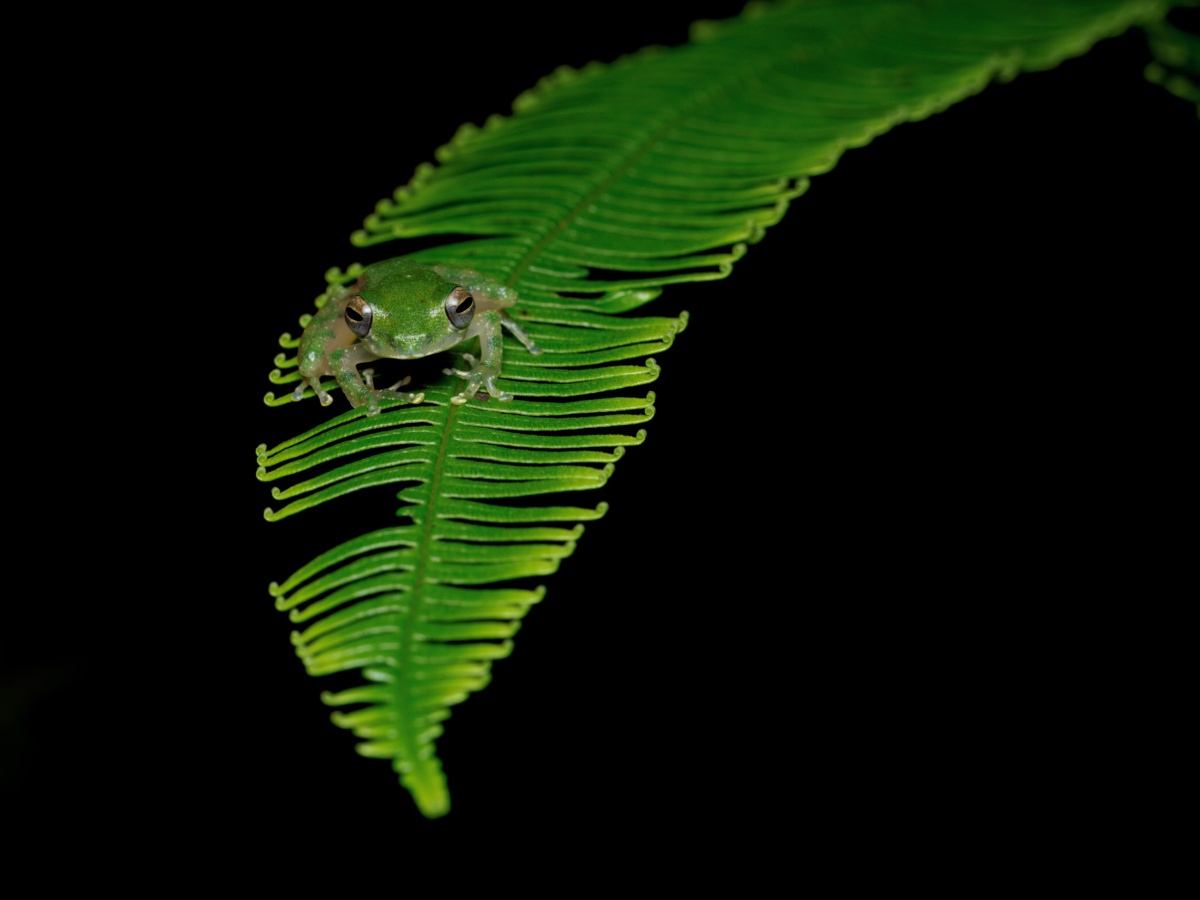
I have visited Kubah National Park in Sarawak many times, usually with binoculars and a camera, looking upwards for birds among the canopy. But on 23rd August 2025, I returned to the forest after dark.
This time, I wasn't looking for birds.
I was looking for frogs.
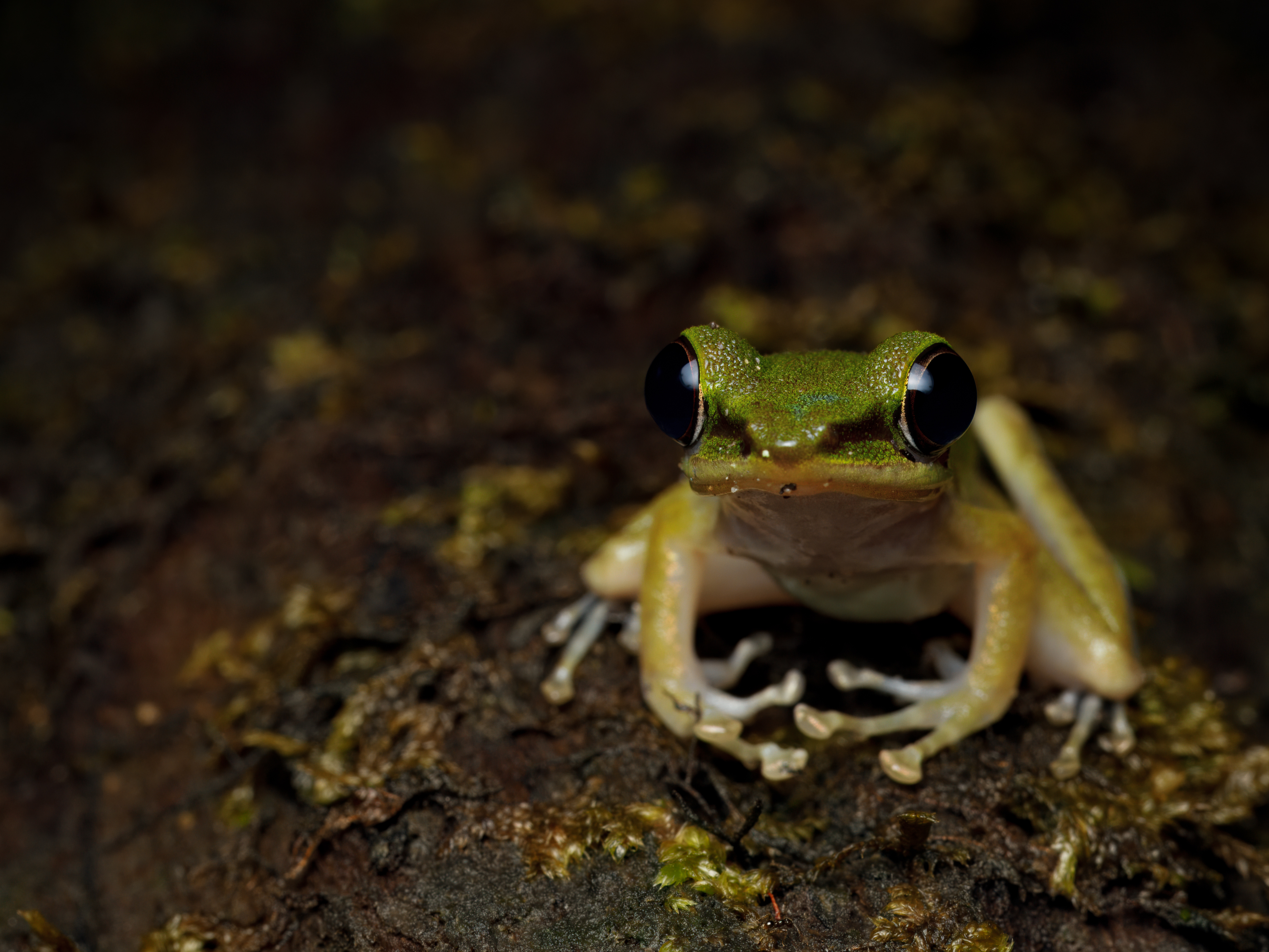 (picture: Borneo white-lipped frog)
Into the night
Kubah National Park lies in the Matang Range, about 20-25 km from Kuching, Sarawak's capital. From Kuching city, it takes roughly 35 to 45 minutes by road. For visitors arriving from Kuala Lumpur, Kuching is about a 1-hour 45-minute flight away, making Kubah a relatively accessible rainforest destination for those wanting to experience Sarawak's wildlife. The park is known for its rich diversity of palms, birds, and amphibians.
It was my first ever night herping trip. I had met Wilson, a guide and photographer based in Miri who conducts herping trips at Kubah, through a mutual friend and decided to tag along. I was completely new to amphibians, snakes and macro photography, so I had little idea what to expect.
Before the trip, Wilson had told me that hot, dry weather could make frog sightings difficult. After rain, however, frogs would be more active and easier to spot.
Fortunately, it had rained heavily that evening.
We began our walk towards the frog pond, situated around 1,000 ft above sea level, but the journey itself became part of the adventure. Rather than heading straight there, we searched along the trail, stopping whenever Wilson or his partner spotted something.
It took us about an hour to reach the pond.
It was pitch dark. Our headlamps and torches provided the only light. The familiar trail I had walked so many times for birding suddenly felt completely different.
The sounds had changed too.
Insects called from the darkness, frogs answered from somewhere in the vegetation, and the humid rainforest air carried the fresh scent of the forest after rain. I had started the hike wearing a jacket but soon became warm enough to take it off.
Seeing the forest differently
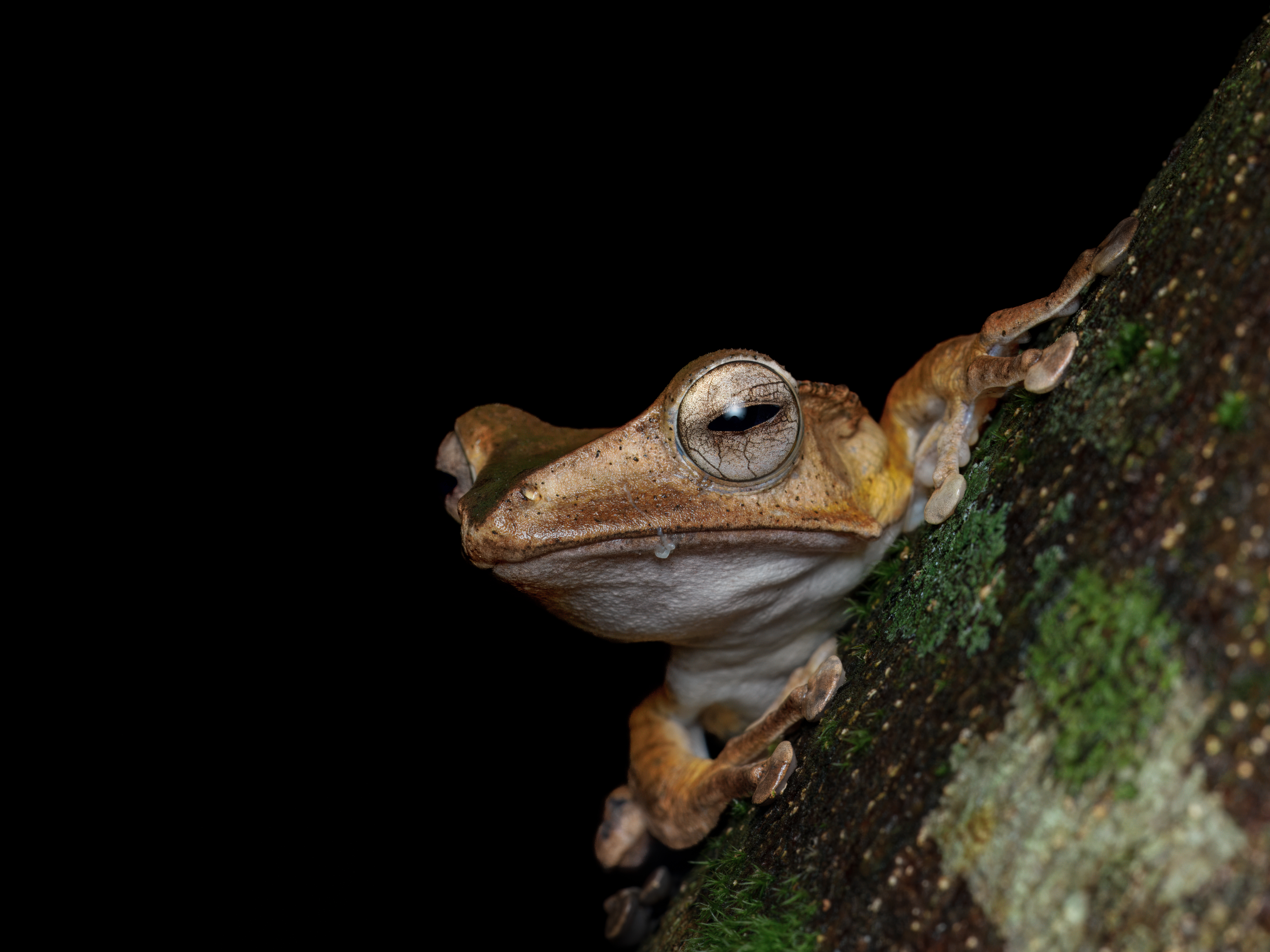
(picture: file-eared tree frog)
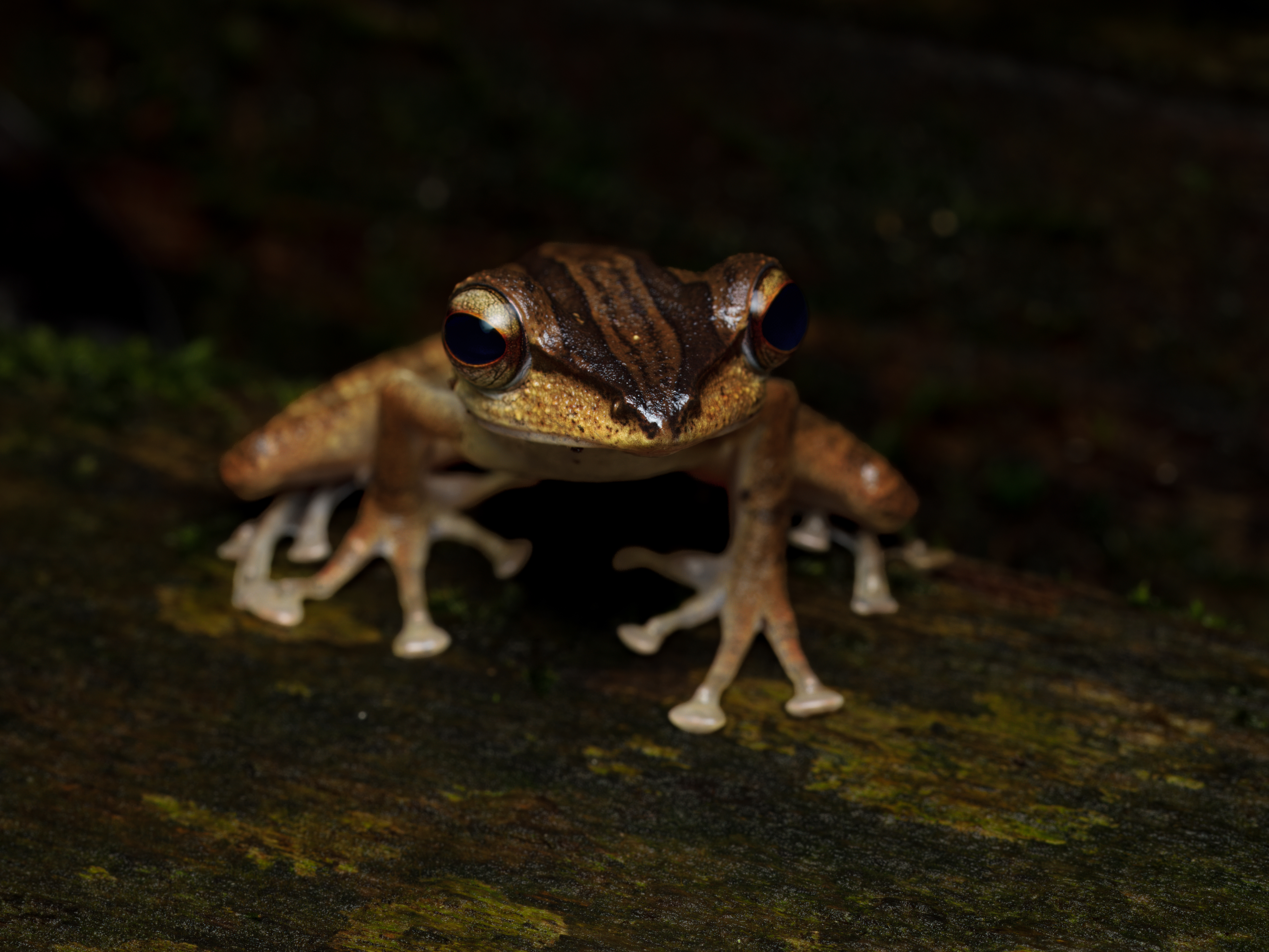
I had not expected to encounter so many frogs on my very first herping trip.
My camera for the night was an OM System OM-1 Mark II with a 60mm macro lens and flash. It was also my first serious macro shoot. I had picked up some information online and asked my friend for advice before the hike, but much of what I learned came from Wilson that night.
I quickly discovered that frogs could be surprisingly cooperative subjects. They generally stayed still unless frightened, giving me time to get close and compose an image.
Getting into position was another story.
Much of the night was spent squatting or kneeling on the forest floor, trying to find the right angle and focus on details I would never have noticed while birding.
One by one, the forest revealed its inhabitants: white-eared tree frog (cover), Borneo white-lipped frog, copper-cheeked frog, file-eared tree frog, black-spotted rock skipper, dark-eared tree frog, spotted stream frog, Kuhl's creek frog and a crested toad.
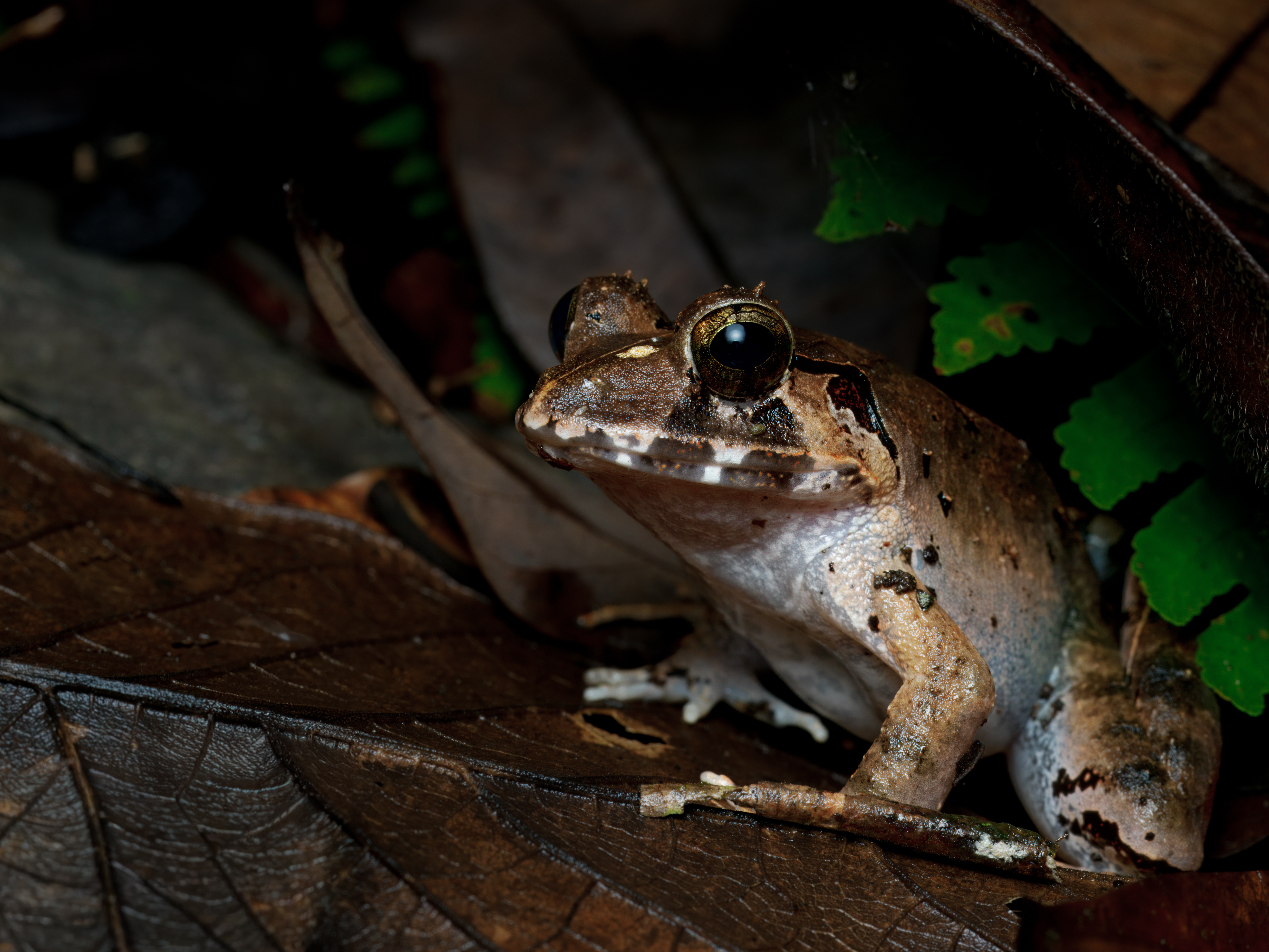
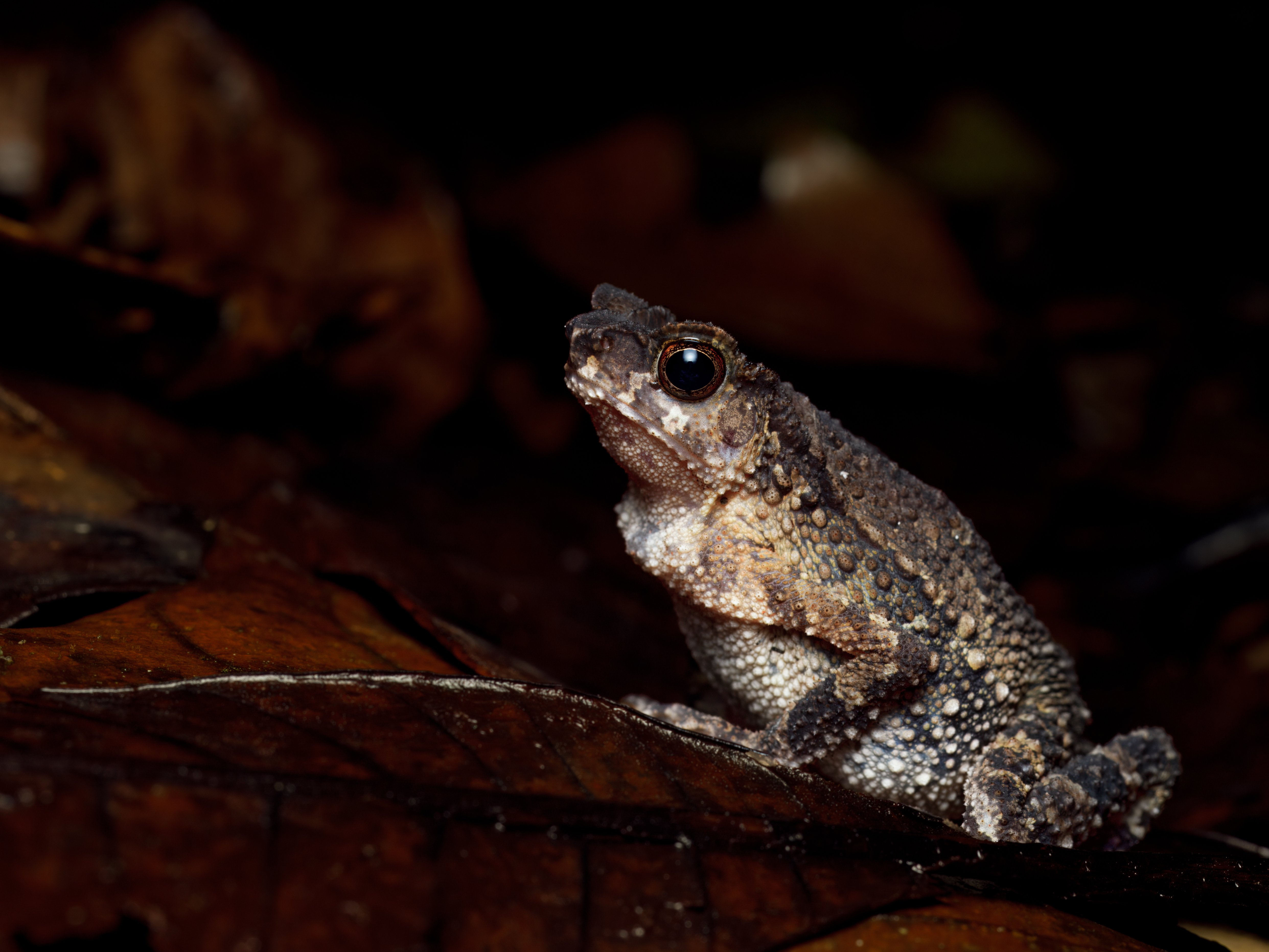
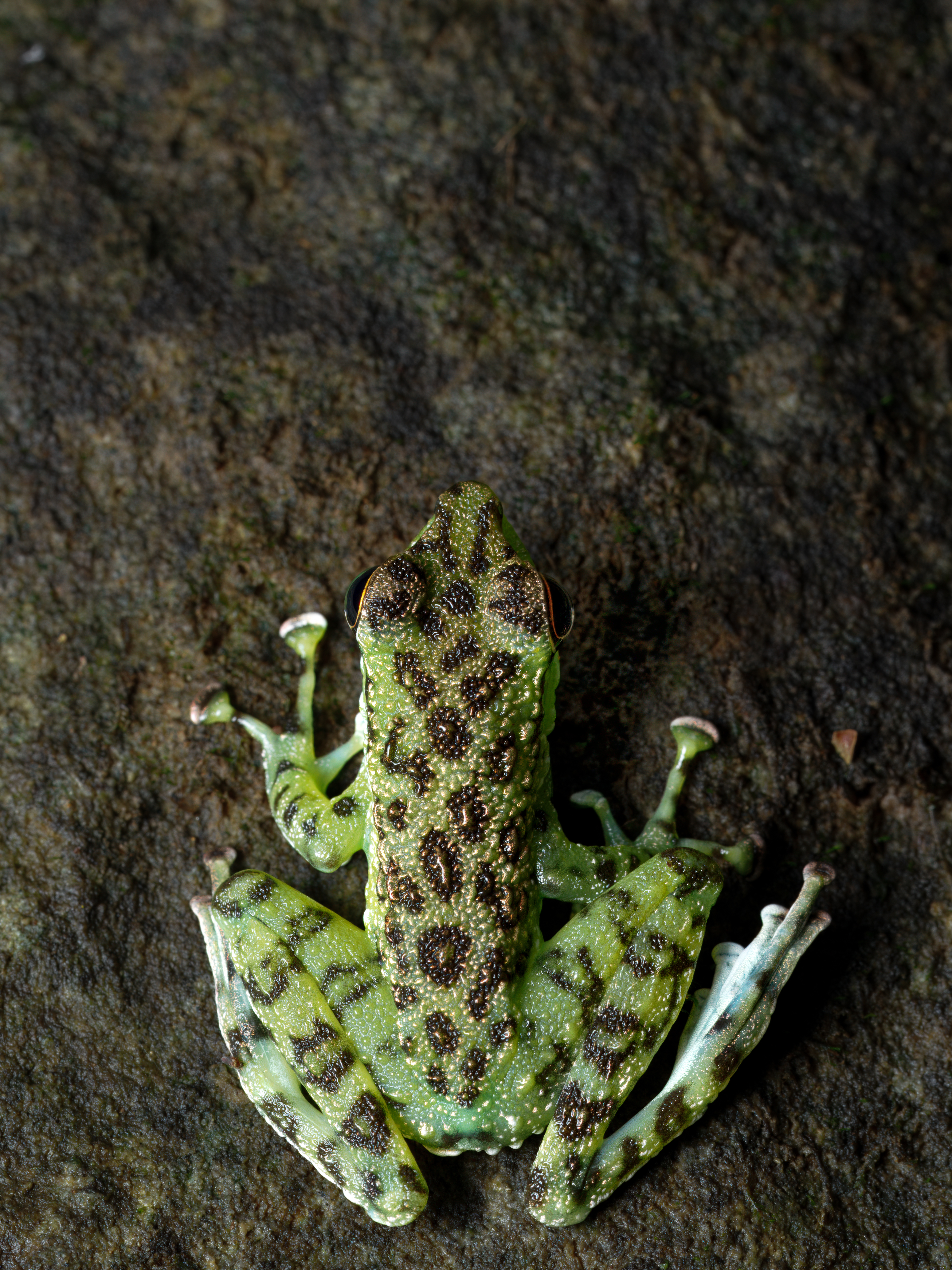
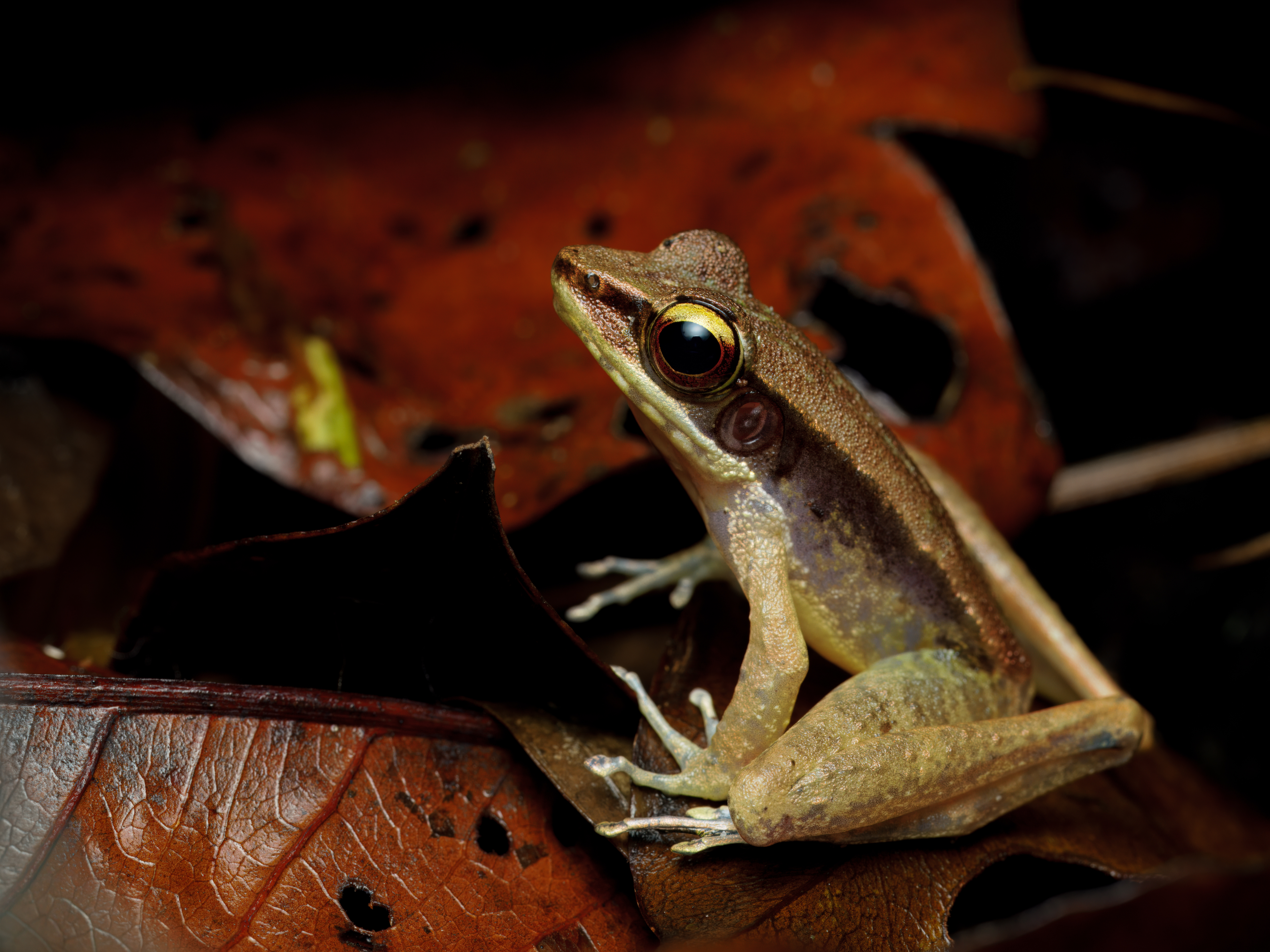
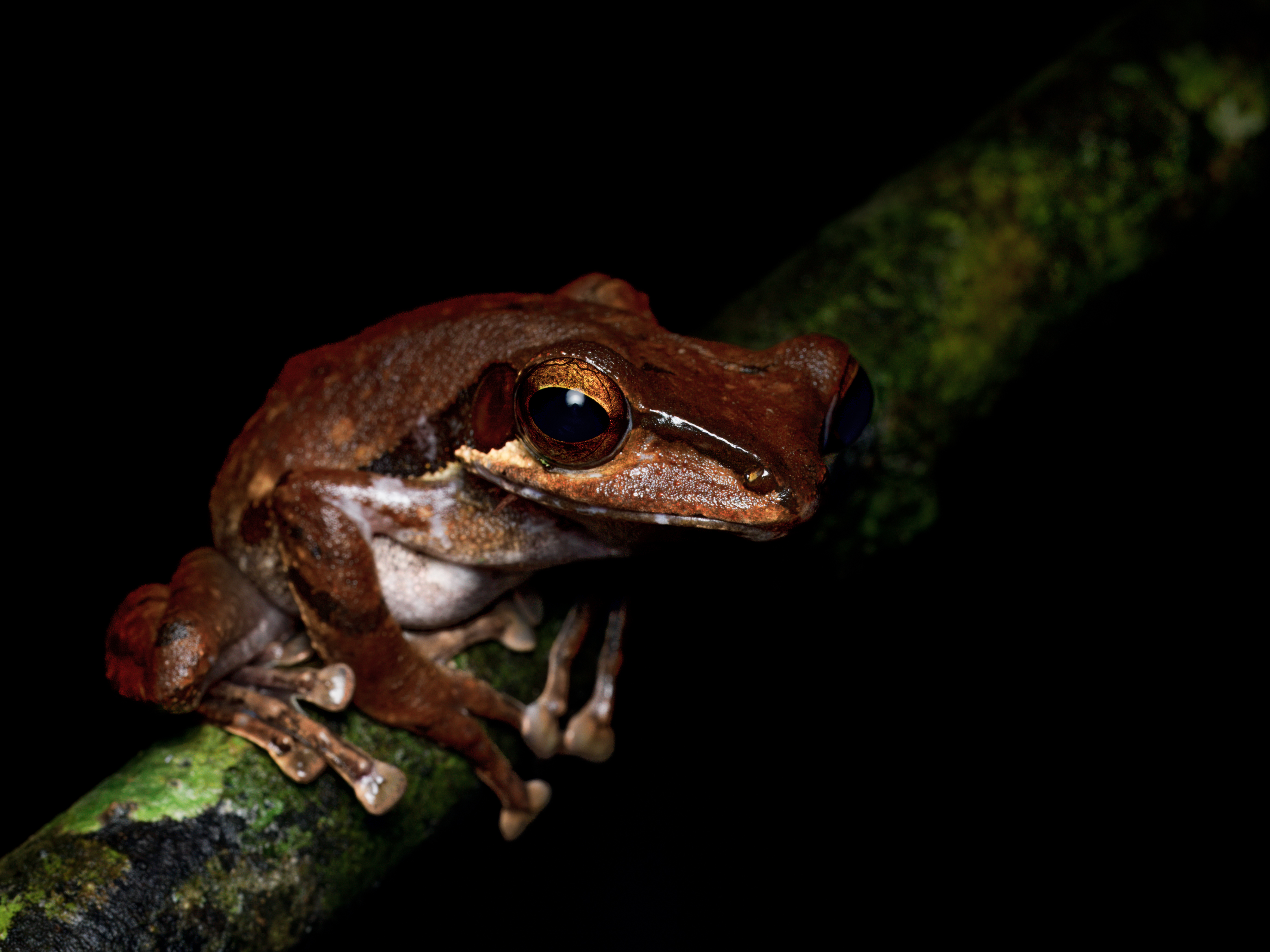 (pictures (from top): Kuhl's creek frog, crested toad, black-spotted rock skipper, copper-cheeked frog, dark-eared tree frog)
Every new sighting felt like another small discovery.
I began to understand that herping was not simply about finding frogs. It was about learning how to look.
One frog, one shot
One encounter in particular stood out.
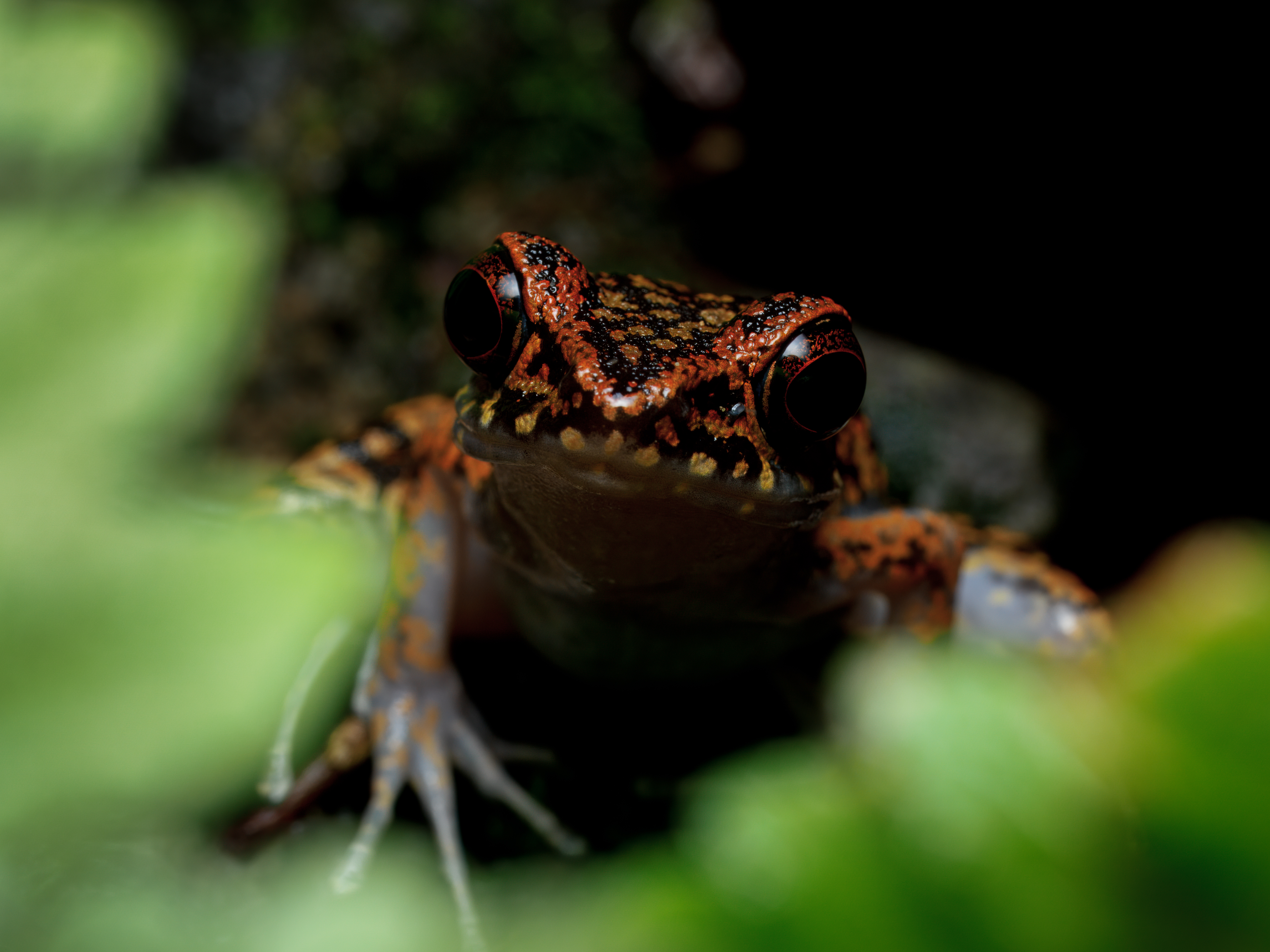
While walking along the trail, Wilson suddenly told us to stop. He had spotted a spotted stream frog.
(picture: spotted stream frog)
It was beautiful.
I quickly got into position and managed to take a single photograph before it hopped away.
One shot, and it was gone.
That brief encounter reminded me that wildlife photography does not always give you a second chance. Sometimes, you simply have to be ready when the moment arrives.
The one we didn't find
There was one species we were hoping to encounter: the Bornean horned frog.
An endemic species, it is highly sought after by herpers and macro photographers. Even for Wilson, who had made numerous herping trips to Kubah, seeing one was never guaranteed. He had encountered it only a few times.
So we knew it would be a gamble.
We didn't find a Bornean horned frog, and we didn't even hear its call.
Yet by the end of the night, I realised I wasn't particularly disappointed.
There had been too much else to discover.
A different Kubah
I had always thought of Kubah as a forest I knew well. I had walked its trails many times, usually searching for birds.
But darkness revealed another world.
After sunset, the forest came alive with a completely different cast of characters. Frogs appeared among the leaves, along the trail and near streams. Insects filled the darkness with their calls. Every few steps brought the possibility of another discovery.
(picture: file-eared tree frog)
For my first night herping experience, it was a revelation.
It also strengthened my love for macro photography. I found myself becoming fascinated by creatures I might previously have walked past without noticing.
That night, I went into Kubah hoping to find the elusive Bornean horned frog.
I came home without seeing one.
But I left with something perhaps just as valuable: a new way of seeing a forest I thought I already knew.
Planning a night at Kubah
If you are visiting Kubah specifically for night herping, it is worth arranging your trip in advance rather than simply arriving at the park after dark. Guided night herping trips are available, and park access and guiding arrangements should be confirmed with the park or your guide beforehand. Sarawak Forestry provides visitor registration, booking and guiding services, while accommodation is also available within the park.
For independent visitors, the park headquarters has basic accommodation options, including forest hostels and other lodging. Availability can be checked with the park or the relevant Sarawak Forestry booking office. Staying within the park can also make a night walk more convenient, particularly for photographers who want to spend more time exploring after dark.
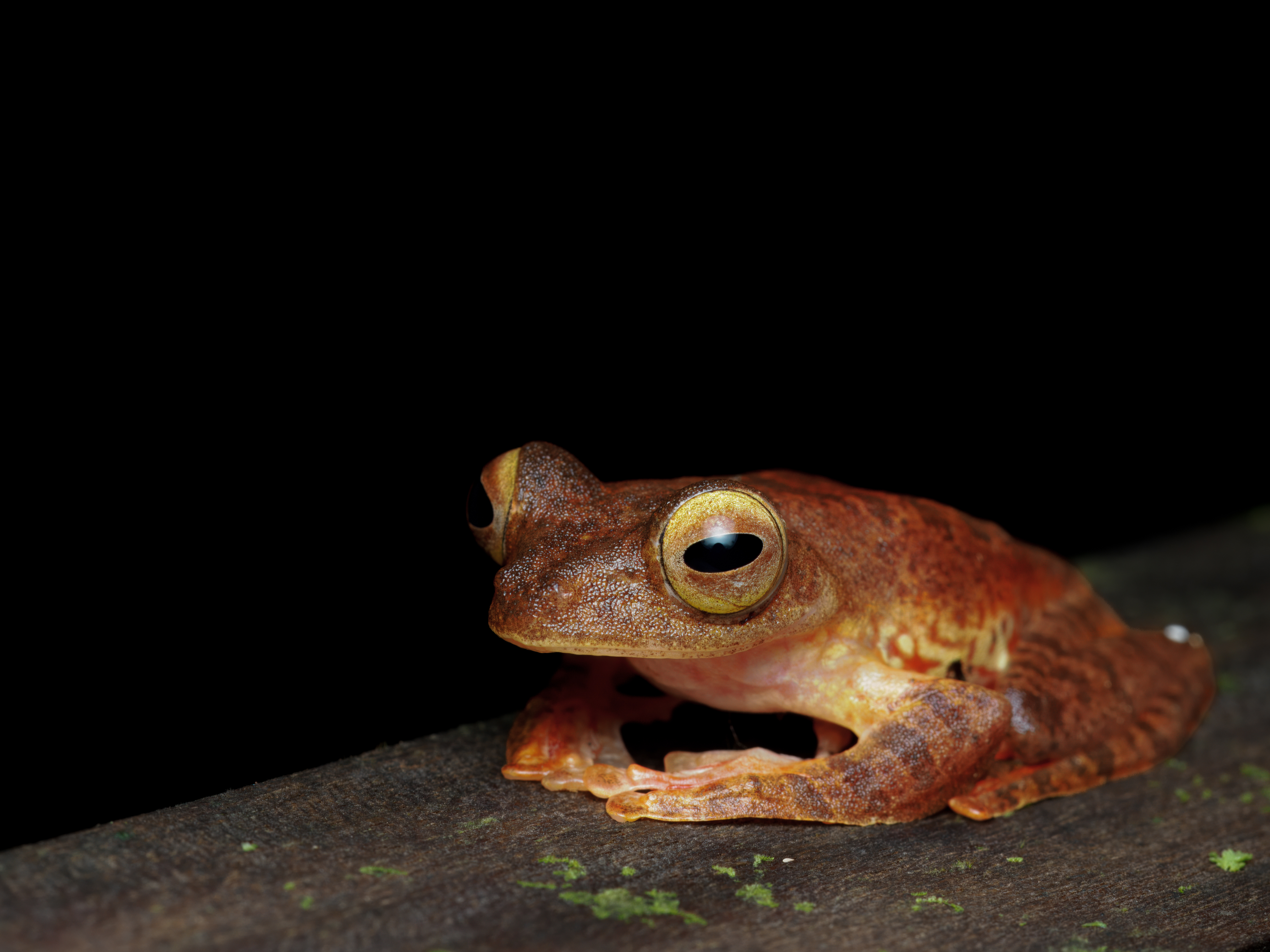
For frog enthusiasts, November to March is generally considered a particularly productive period, when wetter conditions bring increased amphibian activity. But my own experience showed that you do not necessarily have to wait for the peak season. I visited during the drier months, and a heavy evening downpour was enough to bring the forest alive.
(picture: Harlequin flying frog)
Sometimes, all it takes is rain.
And a willingness to step into the darkness.